Located in the Great Rift Valley, Lake Nakuru sits at an elevation of 1,745 m, and it is famous for the vast numbers of flamingos that feed off its algae. Lake Nakuru varies in size according to rainfall, and its surface area varies between 5-45 km². The park lies south of Nakuru, the fourth-largest settlement in Kenya. Feeding pressures and pollution have reduced the flamingo population in recent years, but there are now signs of recovery. Lake Nakuru National Park is also home to a large rhino population. These beasts can often be spotted lazing under the shade of the luscious acacia trees that surround the lake. Surrounded by waterfalls, cliffs, and forests, the lake is a vital water source for zebra, buffalo, and the endangered Rothschild giraffe.
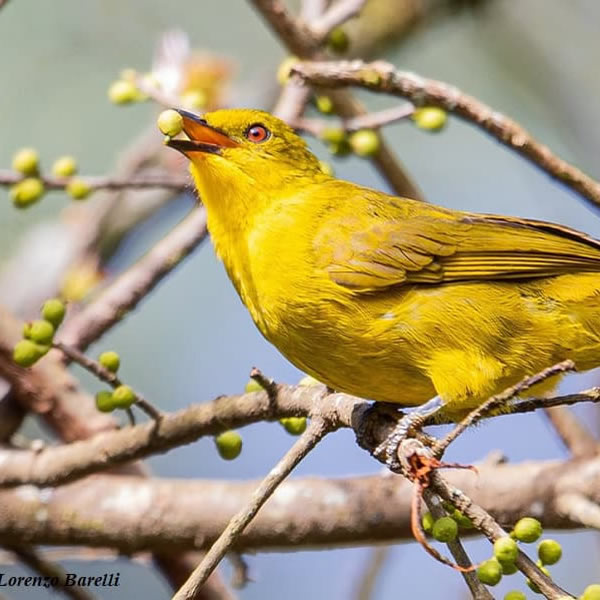
Lake Nakuru’s flamingos are the park’s primary attraction. However, you also have the chance of seeing a broader variety of species, including rhinos, giraffes, and leopards. Lake Nakuru is a great standalone day trip if you don't have enough time to visit Kenya’s more popular national parks like the Maasai Mara or Amboseli. Just a 3.5-hour drive from Nairobi along the Nairobi-Nakuru Highway, Lake Nakuru National Park is easily accessible from the capital. As well as flamingos, Lake Nakuru National Park houses plenty of bird species that inhabit the lake and the area surrounding it, such as African fish eagle, Goliath heron, hamerkop, pied kingfisher and Verreaux’s eagle among others of their kind.
WThe best time to visit Lake Nakuru National Park is during the dry seasons. June to October is the long dry season, and January to March is the short dry season. During the dry seasons, many of the smaller watering holes dry up, causing animals to gather at Lake Nakuru for water. This significantly increases your chances of wildlife sightings.
Lake Nakuru National Park has a mild climate and temperatures are consistent year-round. Daytime temperatures are pleasant in the mid to high twenties Celsius (mid-seventies to low eighties Fahrenheit), although it is much cooler at night. Warm clothing for early morning game drives is a necessity. The wettest months are April and May. The rest of the year is relatively dry with some rain throughout.
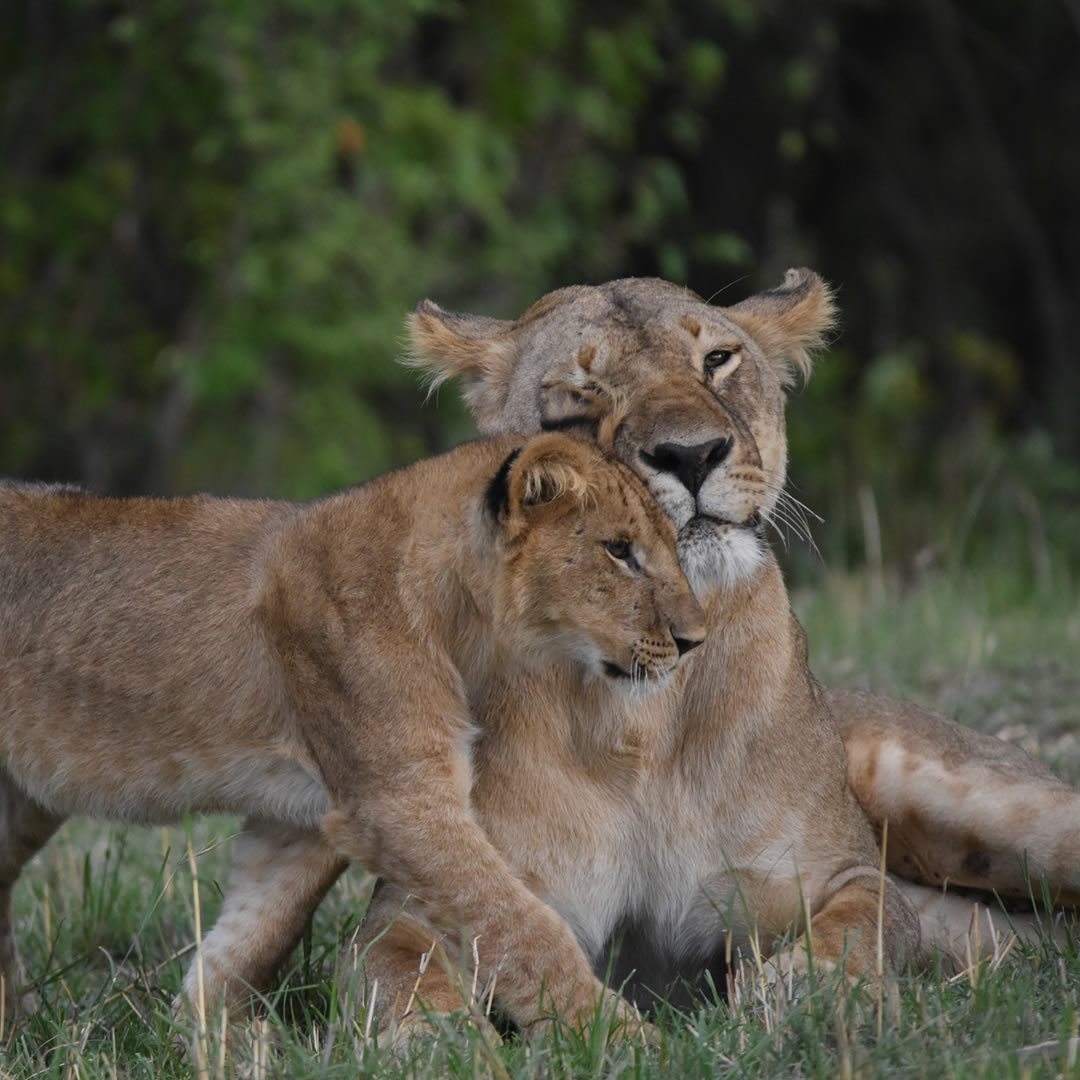
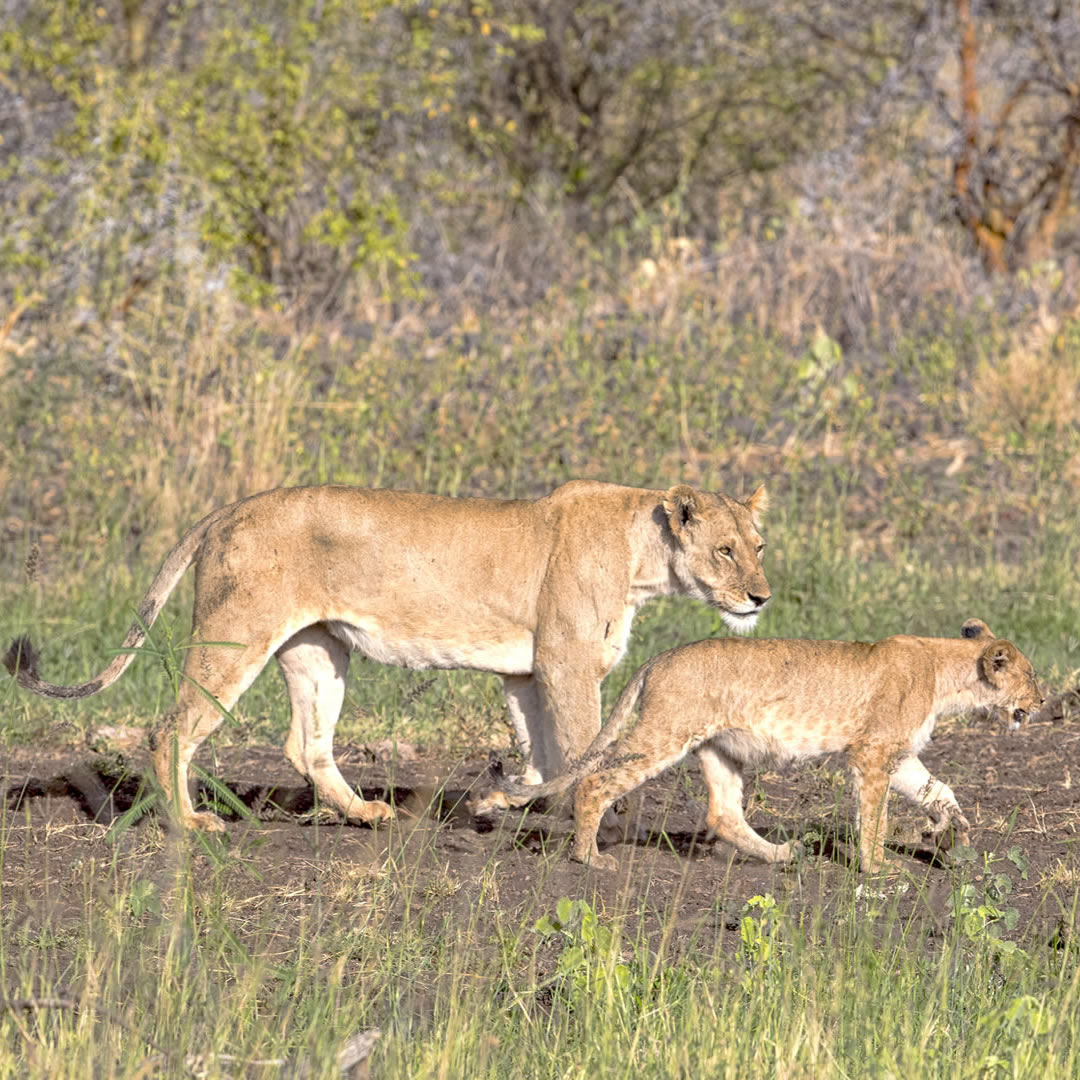
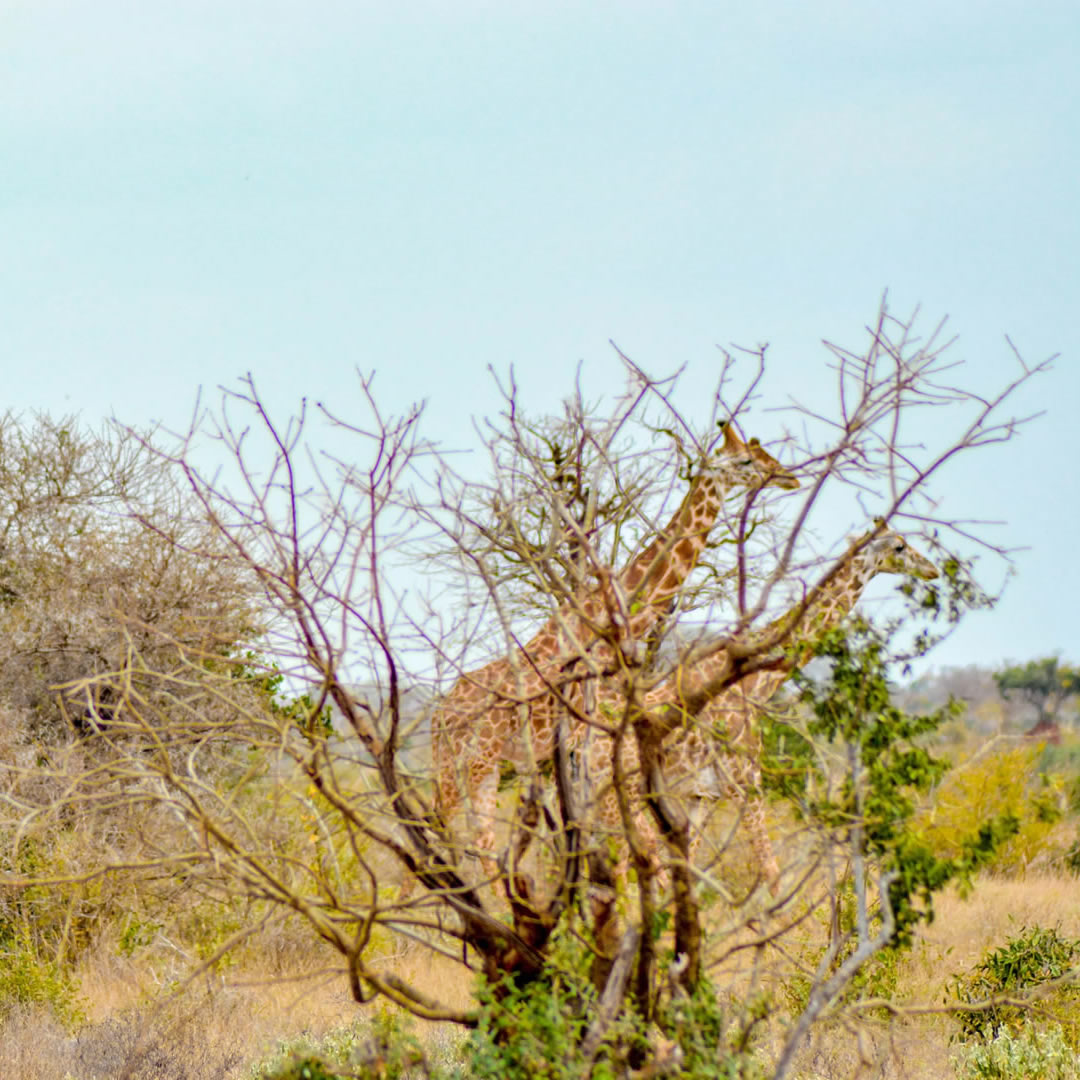
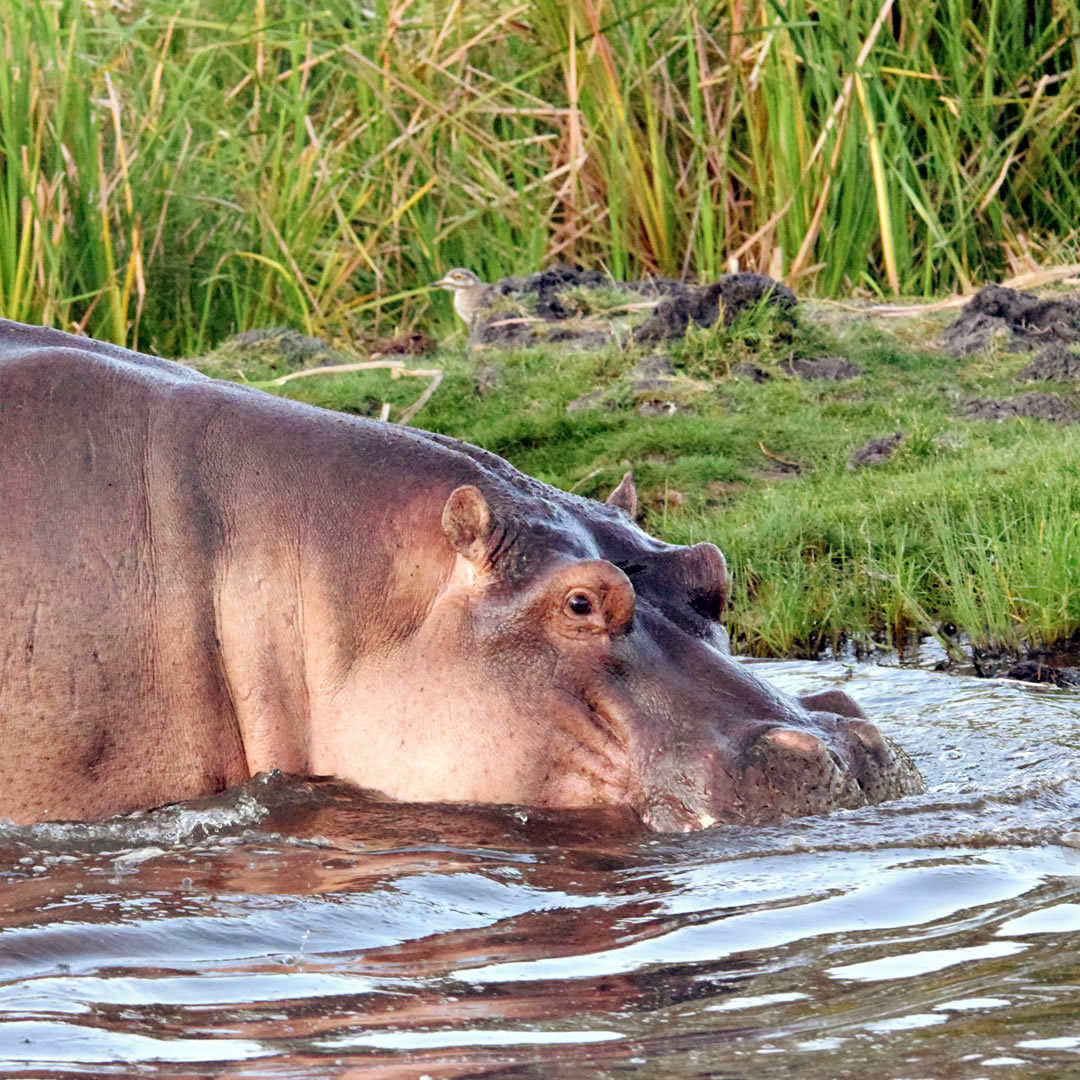
Lake Nakuru National Park supports a spectacular array of wildlife, including 400 bird species, over 50 mammal species, and over 50 species of flora. In 1987, the park was declared a rhino sanctuary, and the park’s white and black rhinos have thrived in recent years. In 2009, the park was home to over 25 eastern black rhinoceroses and around 70 southern white rhinoceroses. However, Lake Nakuru is most famous for the flocks of up to 2 million greater and lesser flamingos that nest on its shores. In 1977, the endangered Rothschild Giraffe was introduced to the park. These giraffes were relocated from western Kenya for their protection, and Lake Nakuru is now home to a healthy population of Rothschild Giraffes. You can also expect to see waterbuck, Cape buffalo, hyenas, and hippos. Fortunate adventurers may get a glimpse of lions, cheetahs, and leopards. Leopard sightings have increased in recent years. Large pythons inhabit the park’s woodland, and you may see them hanging from trees.
If you are driving from Nairobi, you can travel along the Nairobi-Nakuru Highway. The drive takes around 3.5 hours, and you will drive along a mixture of tarmac and gravel roads. From the town centre at Nakuru, it is a further 4km to the entrance gate to the park. If you are coming up from the Maasai Mara, you can use the Nderit Gate entrance on the west side of the park. It is also possible to fly to from Nairobi, and the flight from Jomo Kenyatta International Airport Lake Nakuru to the Naishi Airstrip takes just 25 minutes.
Lake Nakuru National Park is a great birding destination with more than 400 species recorded. The soda lake is a birding hot spot and supports a lot of birdlife, including flamingos and pelicans at the western end of the lake. Nakuru is also one of the best places in Kenya to see the striking long-tailed widowbird. There is a good variety of raptors including Verreaux’s and long-crested eagle.