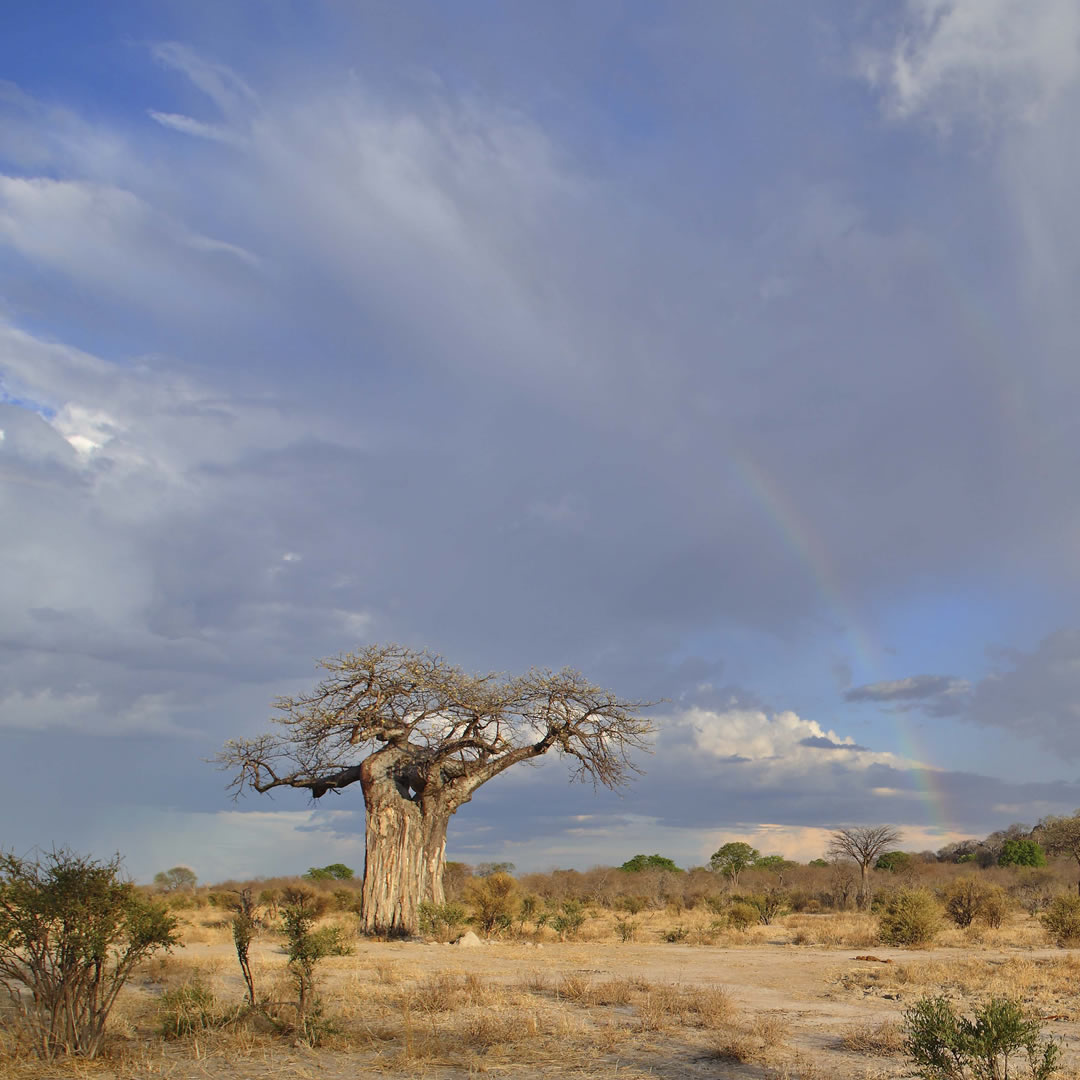
Rubondo Island national park has a size of 240 km². It is only one of two Tanzanian national parks located on an island in Lake Victoria, the world’s second-largest lake. It is located in the southwest corner of the lake. Rubondo became a game reserve in 1965, to provide a sanctuary for animals. Tanzania gazetted Rubondo in 1977 as a national park. It is uninhabited and consequently 90% of the island remains forest today. With nine smaller islands under its wing, Rubondo also protects precious fish breeding grounds. The habitat of Rubondo Island is mixed evergreen and semi-deciduous forest, which covers about 80% of the island’s surface area, hosting a variety of common species. The eastern lakeshore is characterized by rocky areas and sandy beaches whilst the western shore supports extensive papyrus swamps, lined with date palms.
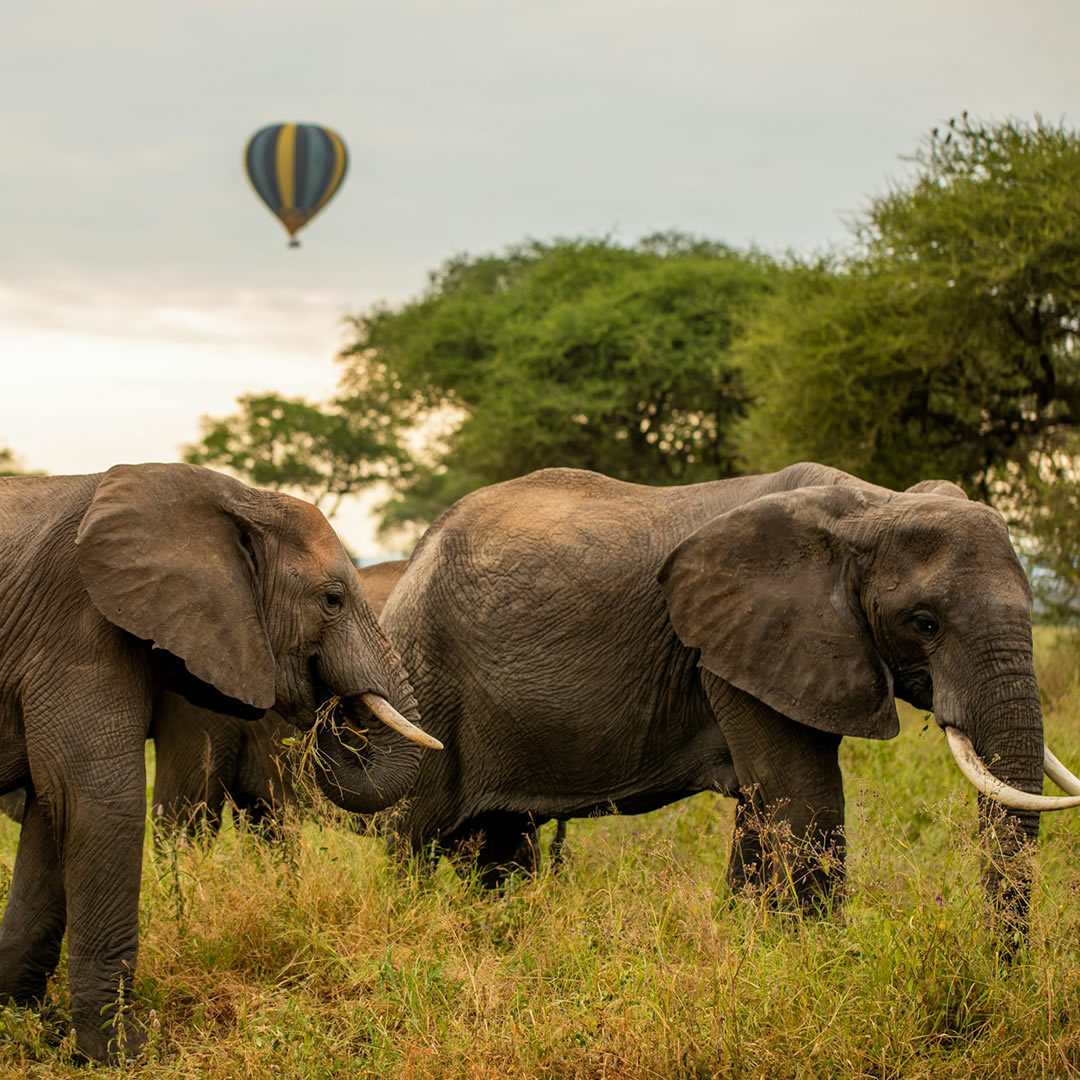
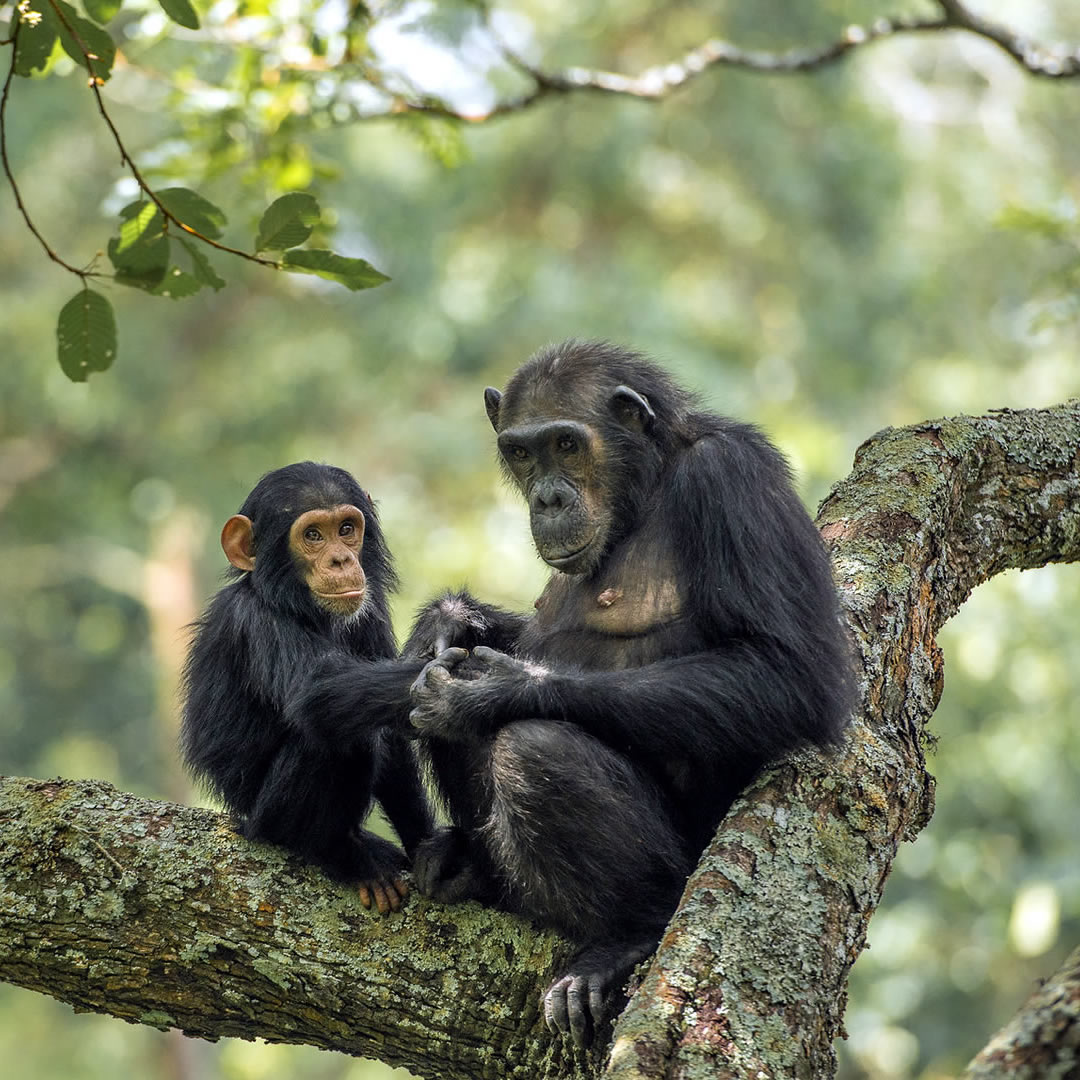
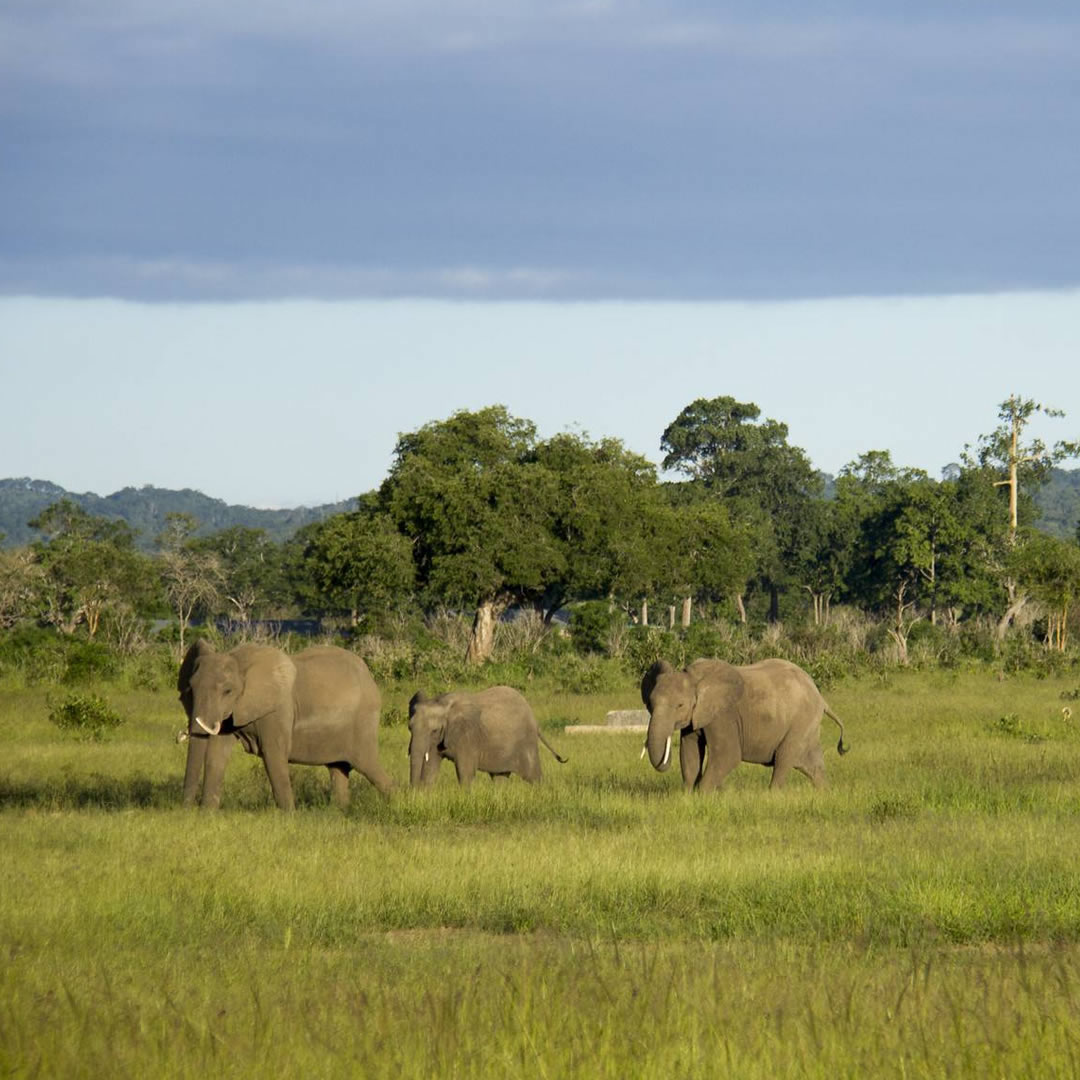
The island is a verdant tropical forest, home to over 40 chimpanzees. Between 1966 and 1969, 16 captive-born chimpanzees were relocated to Rubondo Island National Park. These chimpanzees were rescued from zoos and circuses across Europe. It seemed they loved their new life in the wild and quickly established a healthy breeding troop, flourishing on the island. Following on from the success of relocation of wildlife, several other mammal species, including elephants, giraffe, black rhinos and the rare suni antelope were relocated to Rubondo Island National Park. Unfortunately due to poaching, rhino are no longer found on the island. In 2000, 37 grey parrots that were victims of illegal trade were rescued and released on Rubondo. The parrots rapidly took to their island home and are now found all over the island. In addition, the park is home to elephants, giraffes and about 200 species of birds.
The best time to visit Rubondo is during the dry season, between June and October. December through to February experiences a large number of migrant bird species visit the island so for keen birders this can also be a great time to visit.
Rubondo Island is home to a very special group of chimpanzees, whose ancestors were brought here in the 1960s. If you want, you can participate in this conservation project as a special member of the habituation team, allowing the chimpanzees to get used to the presence of humans and to see them up close in the wild.
The guided safari walks through the pristine rainforest are tailor-made for every guest. The walks range from a walk one hour to a full day or multi-day hikes, including a stay at the exclusive tree house or an flight camp on the beach. This is by far the best way to experience the wonders of Rubondo Island.
Visit local villages and fishing communities on neighboring islands by boat. Explore the local markets there and visit a vegetable garden, where the food for Rubondo Island Camp is grown.
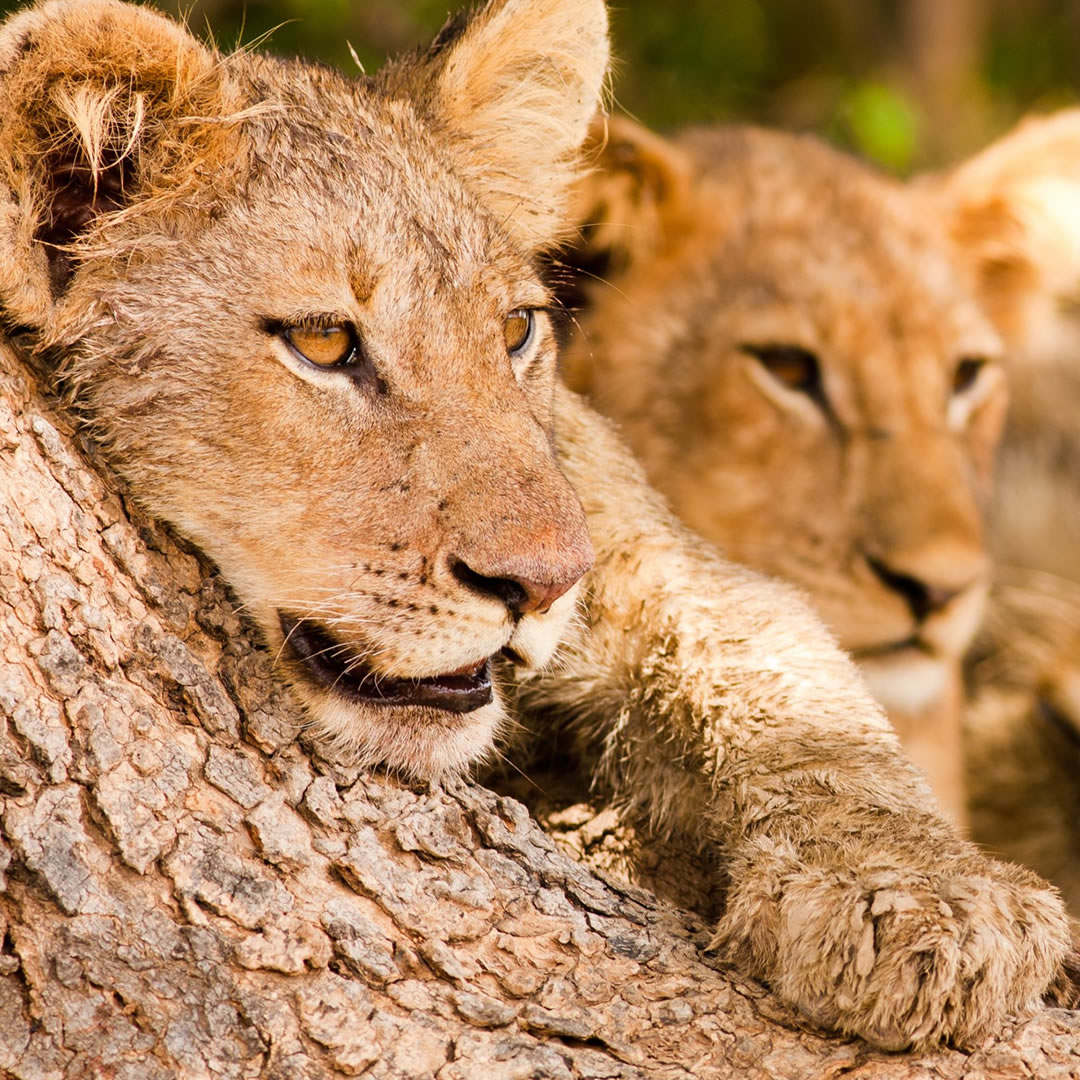
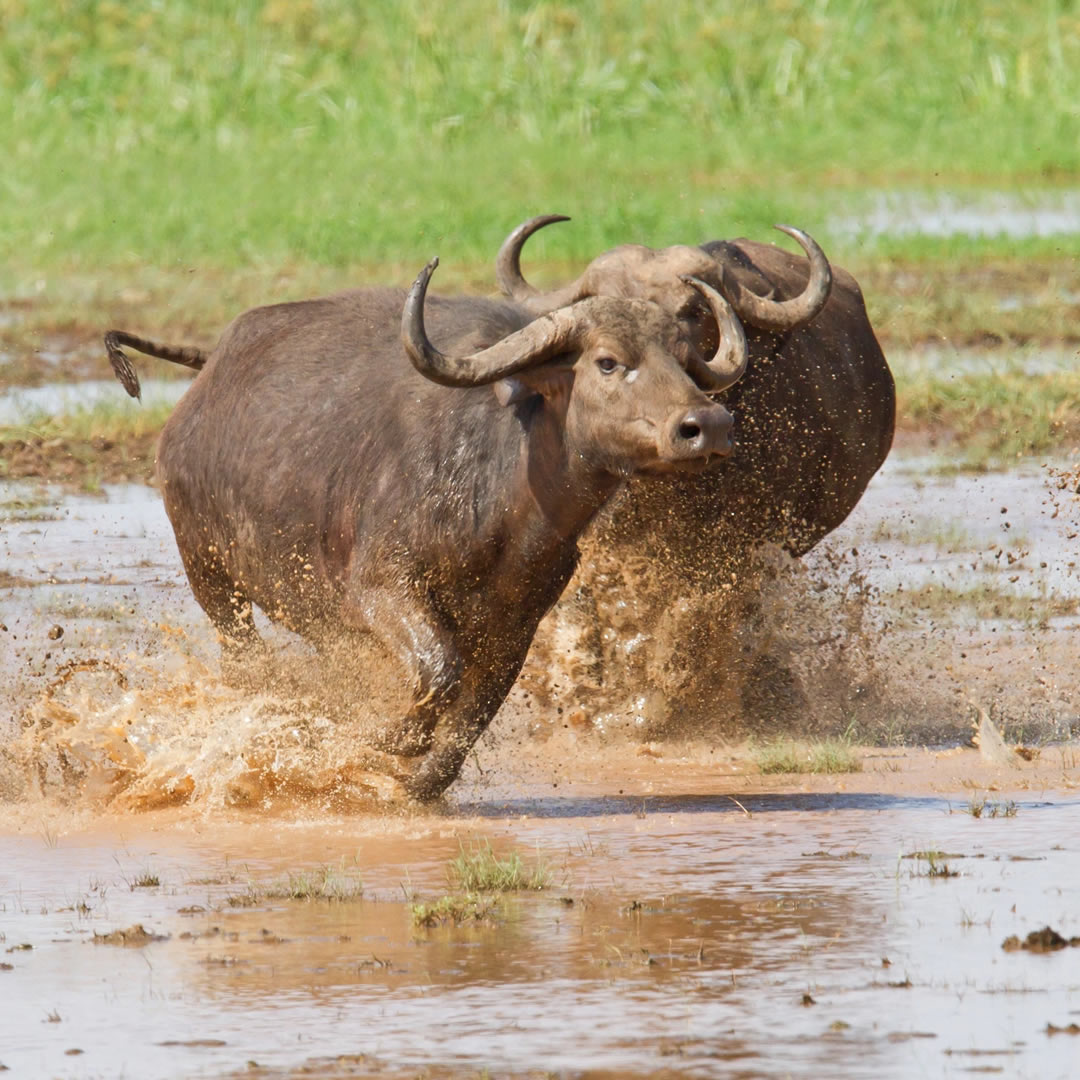
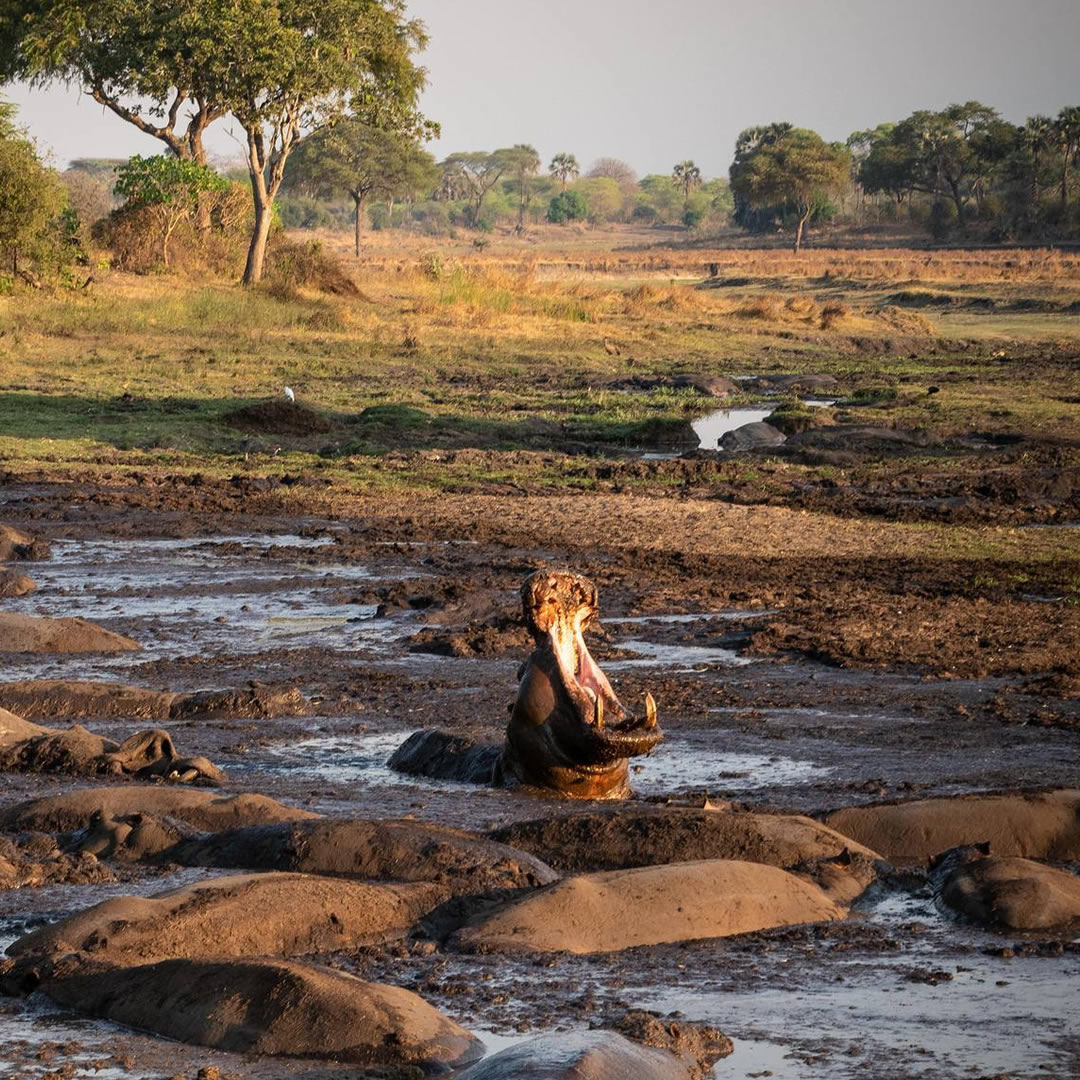
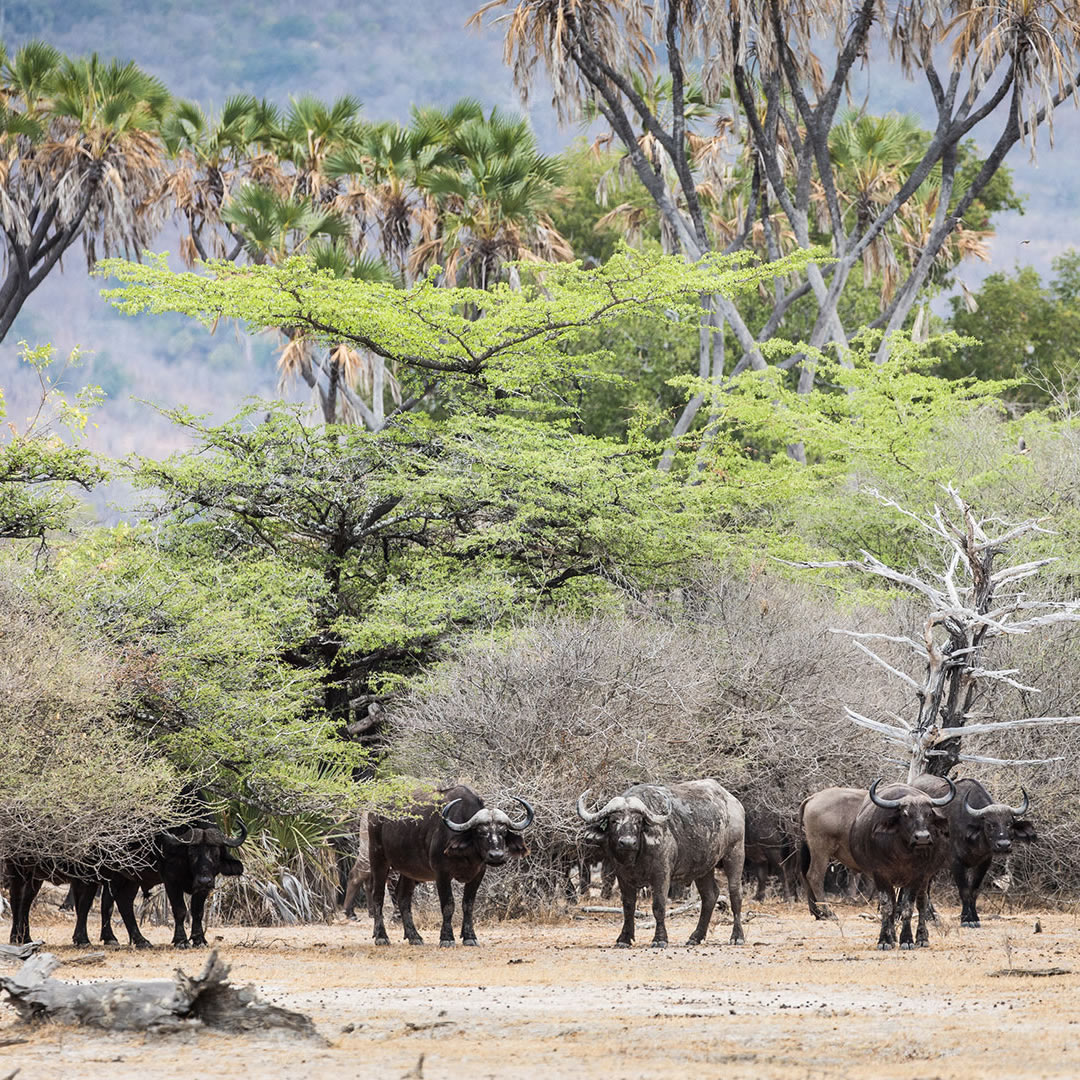
Considering the size of the island, Rubondo is home to a surprising number of large mammals. Elephant and giraffe have breeding populations, although despite their size these animals are rarely seen. By contrast, sightings of hippos, crocodiles and even otters are relatively common. Rubondo is also one of the best places in Africa to see the semi-aquatic sitatunga antelope, the only amphibious antelope in the world. Seeing one is truly a special experience. The nocturnal civit and genet as well as a number of antelope species that are found in the dense forest. There are a large number of butterfly species found on Rubondo, in part due to over 40 species of orchids that grow on the island. On the shores of the island, and smaller bodies of water inland, high numbers of serrated hinged terrapins are found. These terrapins lay their eggs between October and January with the hatchlings emerging between March and April.
Coastal air flies from Seronera to Rubondo on Tuesday and Friday, departs at 1425hrs and arrives at 1700hrs. Flights back to Seronera and Arusha on Wednesday and Saturday.
By Boat: By using own boat from Mwanza to Kageye Park Headquarters.
By Road: From Mwanza to Muganza 270 km.
By Air: Schedule and chattered flights from Arusha, Bukoba, Kilimanjaro, Dar es Salaam, Mwanza and other Major Cities
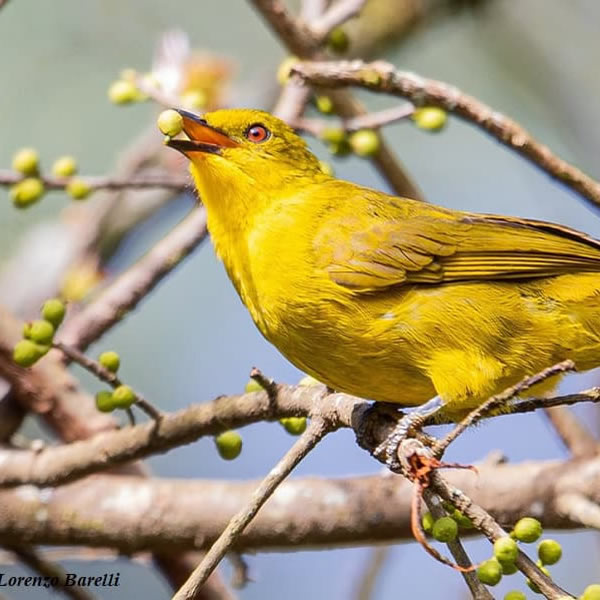
Rubondo Island is one of the best locations in Tanzania for bird watching. With over 300 species, it is a bird spotters paradise. Large flocks of pied kingfishers, numbering upwards of 50 birds is a sight to behold. Open-billed and marabou storks are commonly sighted on the shores along with cormorants, darters and white egrets. Rubondo also has a very high concentration of fish eagles.