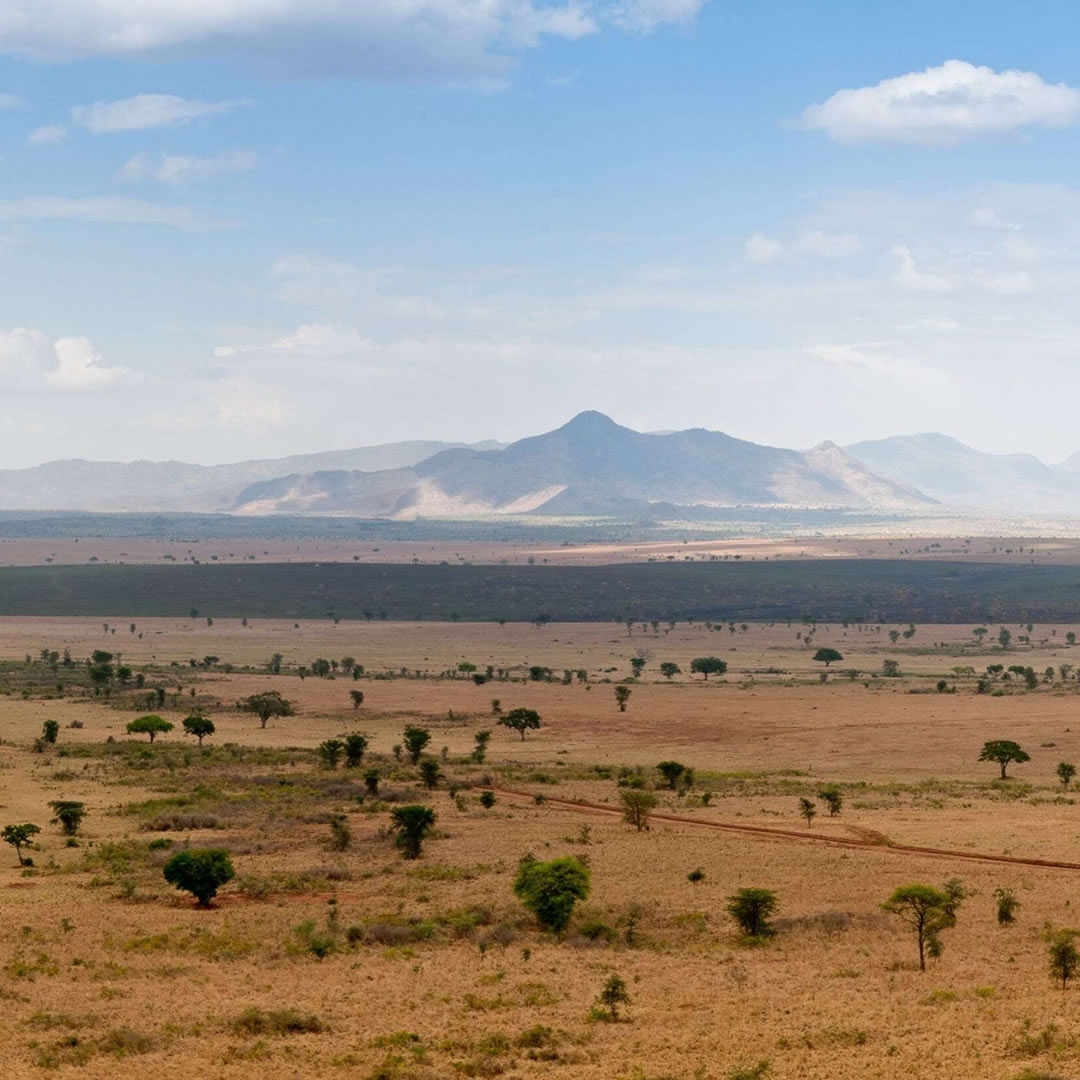
Kibale National Park is located on the western side of Uganda, covering an area of 795 square kilometres (493 sq mi) and an elevation of 1590m above sea level. Kibale is one of the most stunning parks in Uganda, with varied vegetation ranging from moist green forest, Fort Portal Plateau, dry tropical forest, woodland and savannah. The vegetation rises above 55m and establishes a semi-closed canopy. Kibale Forest National Park is one of the best and most exciting parks, with many attractions making it one of the top destinations in Uganda.
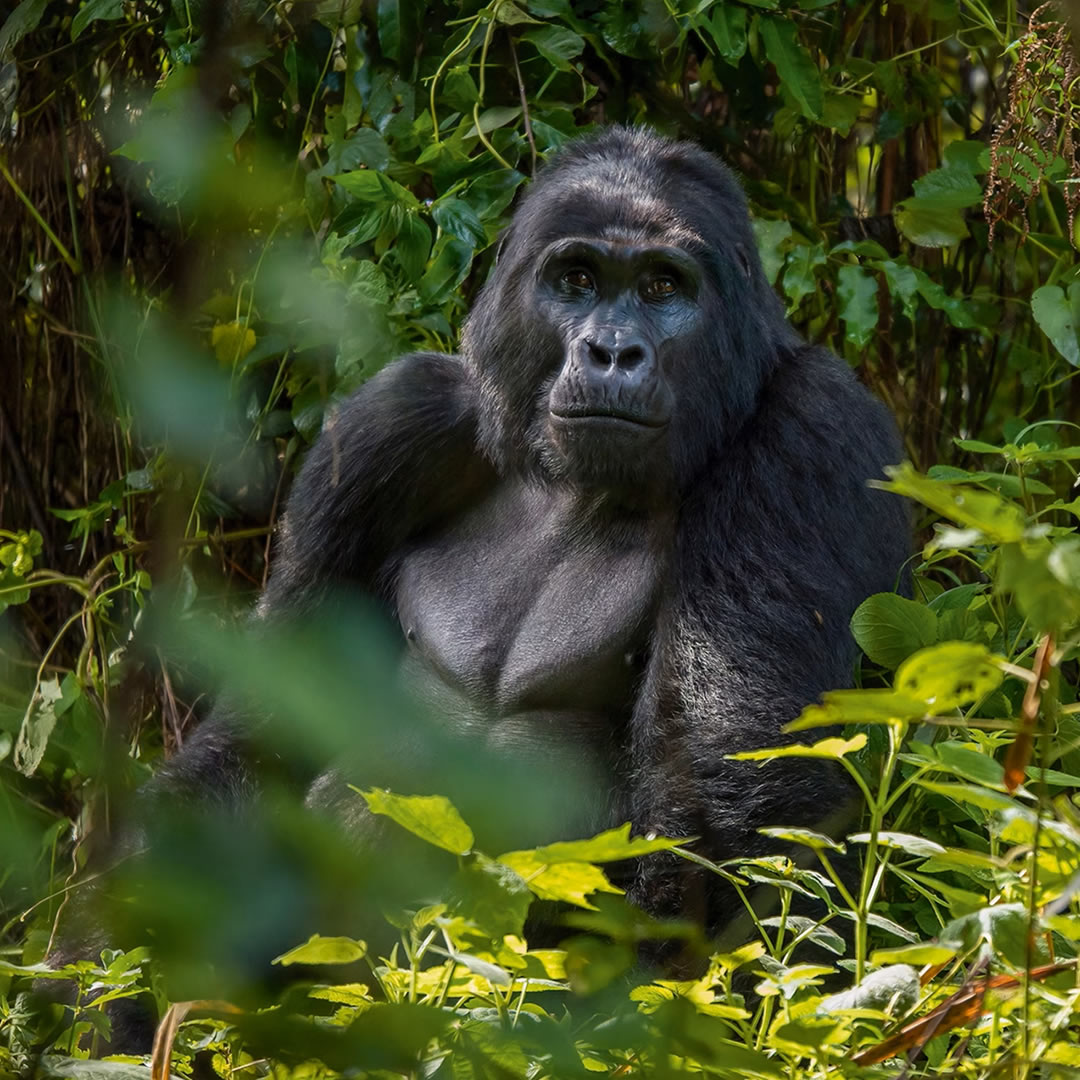
There are 13 primate species, including L’ Hoest’s monkeys, East Africa's largest population of the endangered species, Ugandan red colobus monkeys, the black-and-white colobus, blue monkeys, grey-checked mangabeys, olive baboons, vervet monkeys, red-tailed monkeys, and bush babies. The park has approximately 350 bird species and approximately 250 Butterfly species.
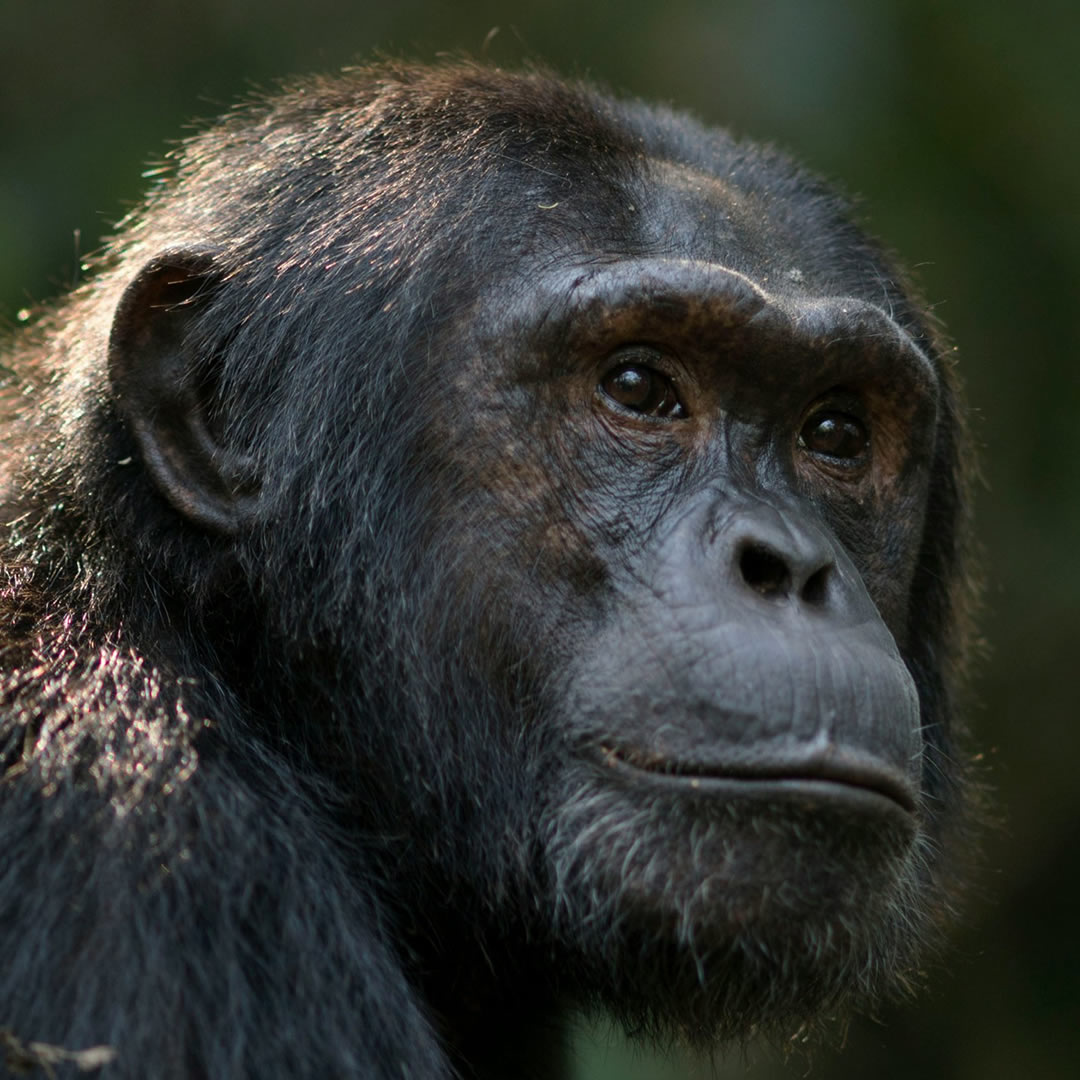
Chimpanzee Trekking is the top attraction in Kibale, with 90% of tourists visiting to participate in this unique and thrilling experience. The park has the best views of the chimpanzees, and it does not disappoint due to their large population. You can easily spot these beauties, the most sought-after apes after the endangered species of the mountain gorillas. Other places to spot these apes are Budongo Forest in Murchison Falls National Park, Kalizu Forest and Kyambura Gorge in Queen Elizabeth National Park. Habituated chimpanzees' trek takes about 2-5 hours through the tropical rainforest jungles. Once found, you will have only one hour to watch their interaction and take photos or videos.
Kibale National Park can be visited anytime. It is a tropical rainforest with unpredictable weather; rain can pour anytime. However, the rains are less during the dry seasons.it is advisable to carry warm clothing. The best times to visit the park are during the dry seasons, December to February & June to September.
The climate in Kibale National Park is moist and temperate. Temperatures stay almost the same year-round. Daytime temperatures are around 26°C/79°F, cooling off nightly to about 16°C/61°F.
Rain is possible throughout the year and waterproof clothing is recommended at all times. However, January, February, June and July are relatively dry, with an average monthly rainfall of less than 60mm/2.4in. The wettest months are April, September, October and November, each of which has an average rainfall of greater than 140mm/5.5in.
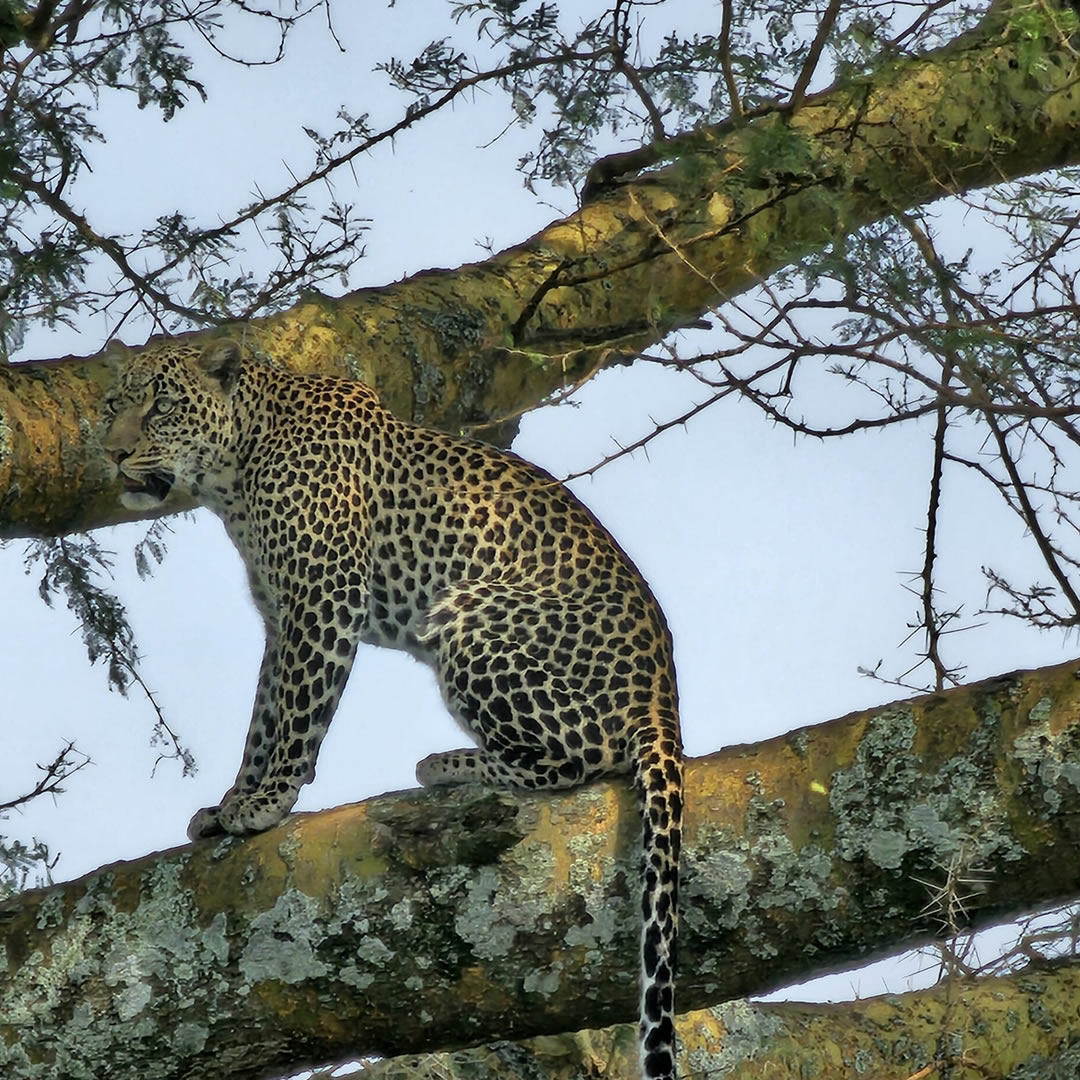
The chimpanzee community visited by trackers in Kibale National Park is the most habituated in Uganda and sightings can be excellent. Primate diversity in the park is the highest in East Africa, with 13 species identified. Olive baboon, black-and-white colobus, red-tailed monkey, Ugandan red colobus and Uganda mangabey are all regularly observed. Nocturnal primates include potto and three different species of bush baby. Kibale is one of only five places where Ugandan red colobus has been recorded, and it supports the world’s largest population of this endangered monkey. It is also an important stronghold for the endemic Uganda mangabey. Other seldom-seen forest dwellers include elephant, buffalo, giant forest hog, warthog, bushpig, bushbuck, blue duiker and Weyns’s duiker. Leopards are probably resident and lions might occasionally venture across from Queen Elizabeth National Park. Smaller forest carnivores include palm civet and golden cat.
By Air: Kibale Forest National Park is accessed by flights from Entebbe International Airport or Kajjansi Airfield in Kampala using Aerolink or Fly Uganda to various airstrip including Nyakisharara near Mbarara, Mweya, Kihihi, Kasese and Semliki. The flight time is approximately 1 hour to either Mweya or Kasese. After landing, proceed on a road transfer for about 1 hour 30 minutes to your lodge.
By Road: Kampala-Mubende-Fort Portal Highway is the shortest route to Kibale Forest National Park. The drive is about 309km and takes approximately 5-6 hours on a suitable surface road. From Fort Portal Town to Kibale Park headquarters (Kanyachu Visitors Center), a further drive of roughly 26km takes 30-45 minutes.
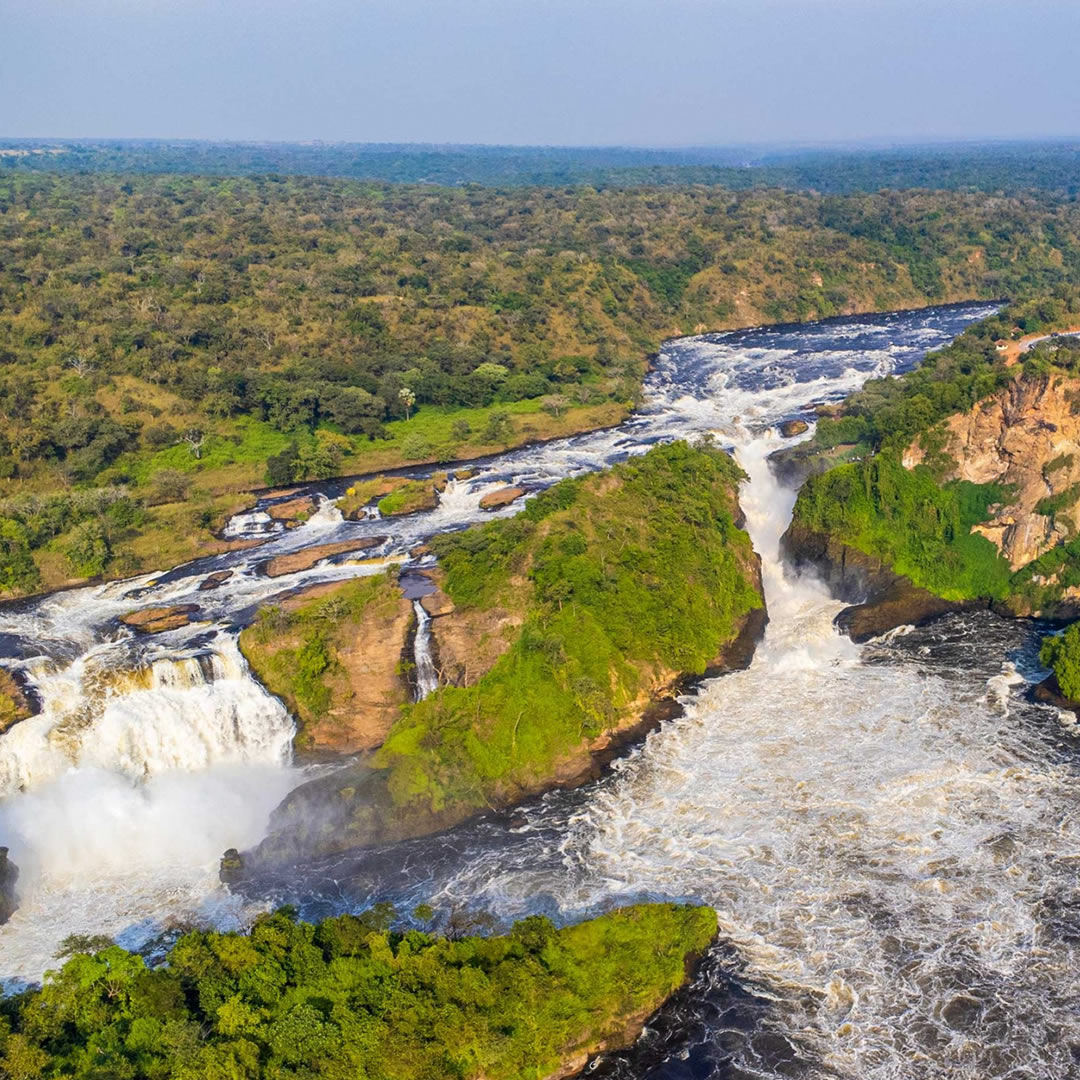
Route 2: Kampala -Hoima-Fort Portal Kibale Route: The drive starts from Entebbe to Ziwa Rhino in Nakasonga for Rhino tracking. The journey is about 305km, taking an approximately 4-6 hours drive. After a memorable experience in Ziwa Rhino Sanctuary, you will proceed to Murchison Falls National Park on an approximately 68.7 km and 1-2 hours drive. Later, proceed to Fort Portal Town, Uganda’s cleanest town, and drive to Kibale Park headquarters, approximately 26 km away.
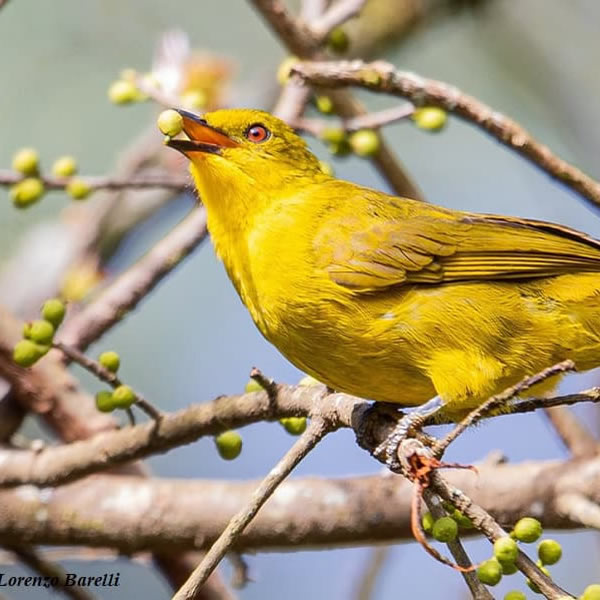
Kibale Park is home to more than 350 attractive and colourful bird species, making it a paradise for birders. The park is home to endemic and migratory birds, which include the African pitta, tinker bird, little greenbul, woodland warbler, yellow spotted nicator, white-napped pigeon, African grey parrot, olive long-tailed cuckoo, blue-breasted kingfisher, red chested owlet, purple breasted sunbird, black bee-eater among others.