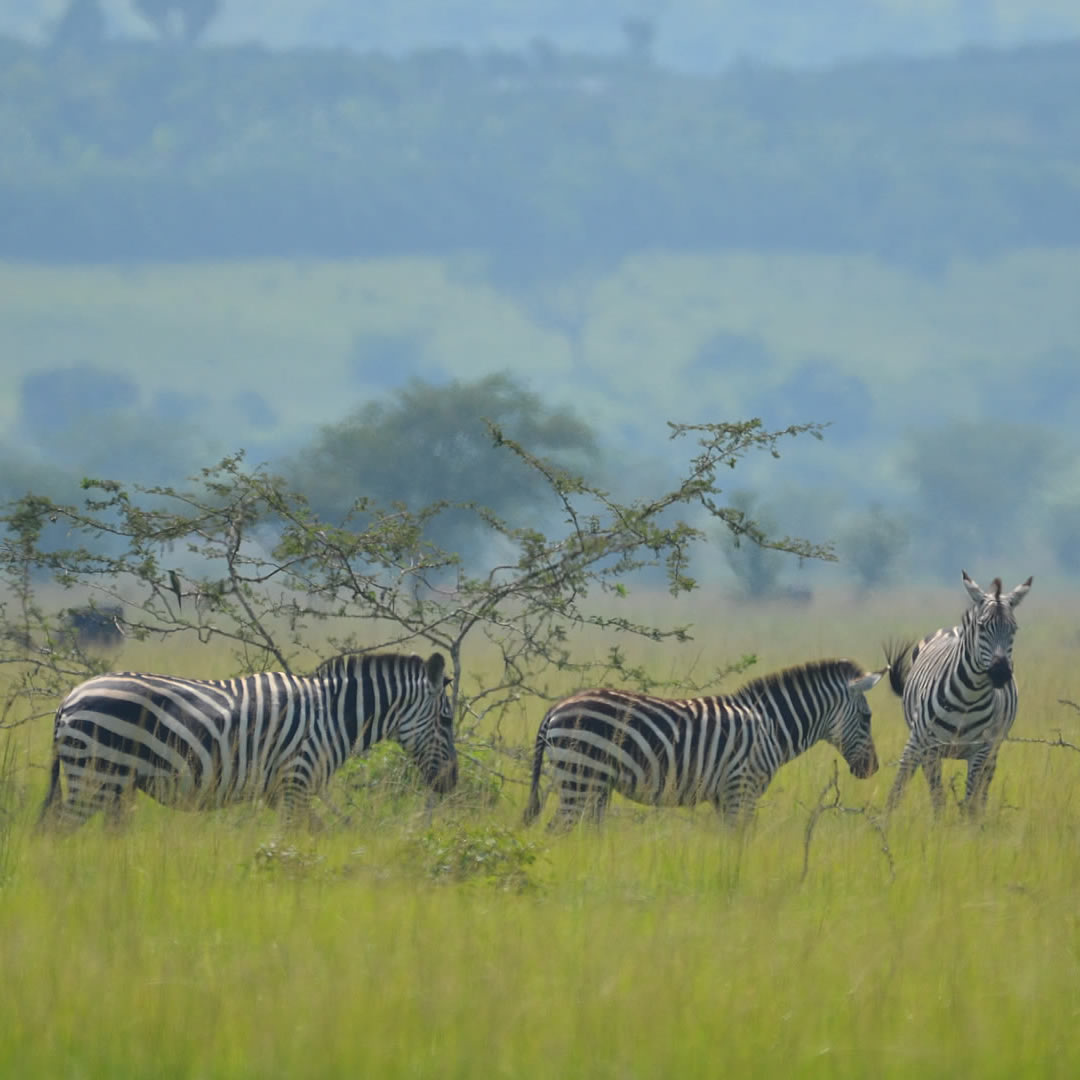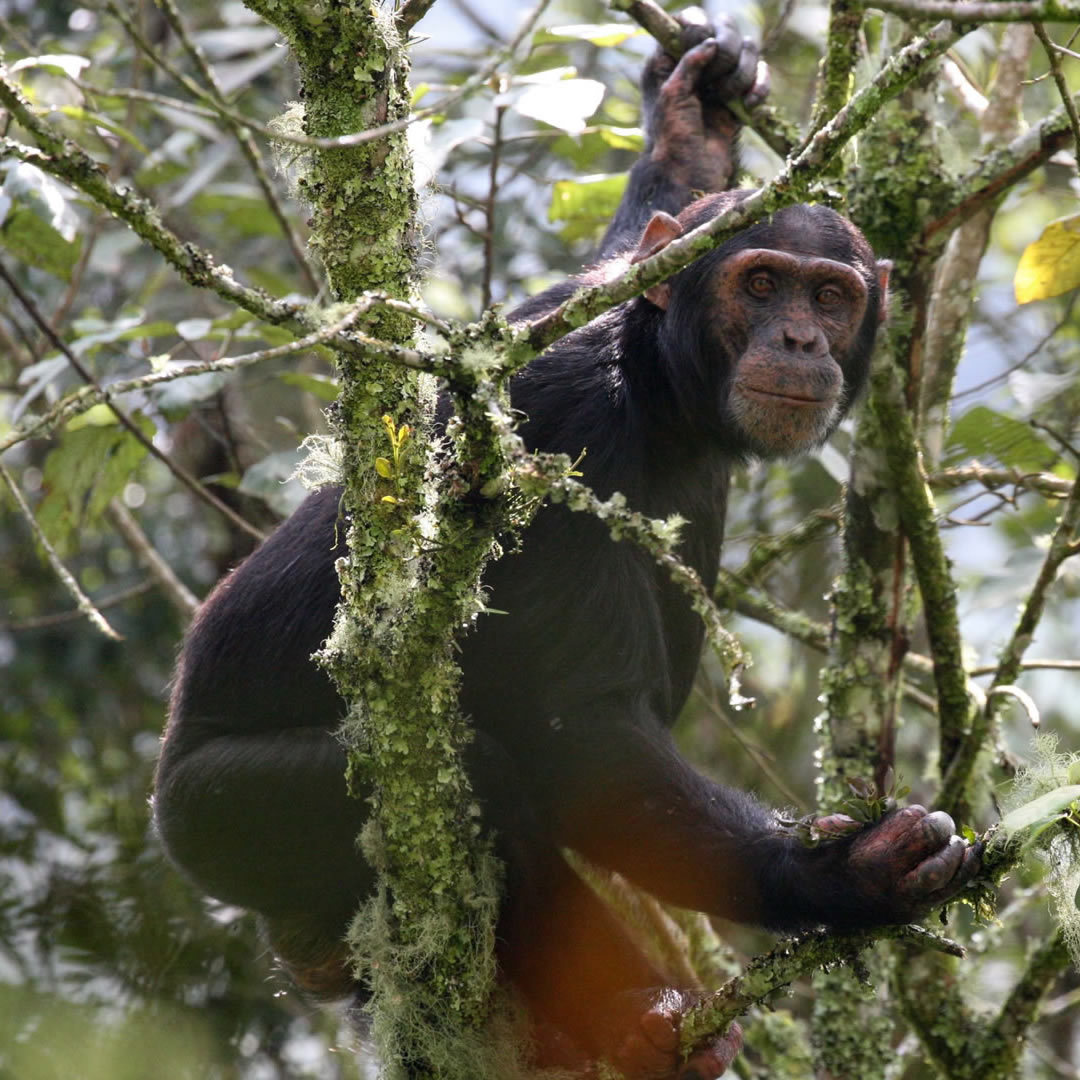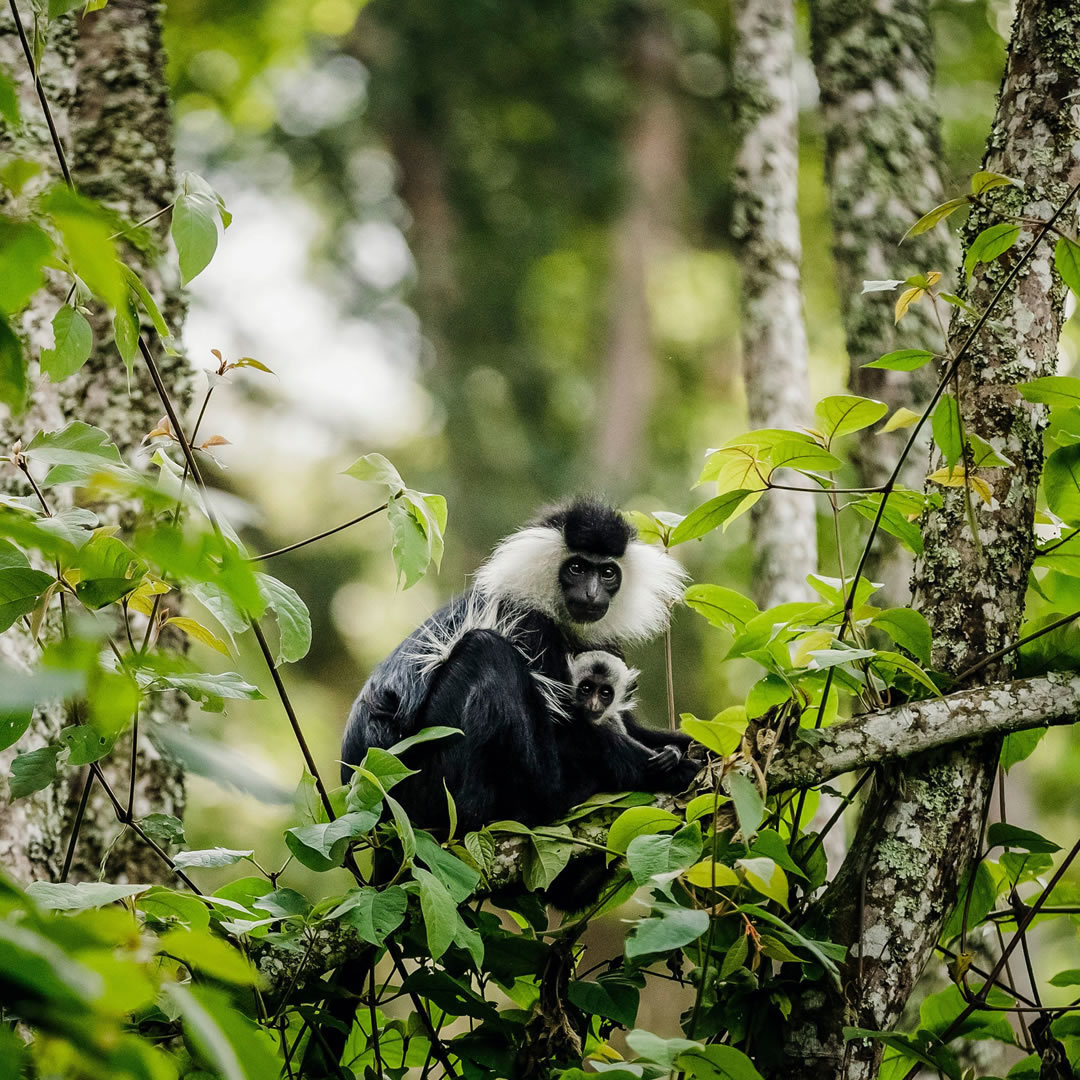
Akagera lies on the eastern border of Rwanda, making it easy to visit and admire the wildlife – from lion to rhino – that thrives in this beautiful savannah and wetland. Widely considered to be one of the most scenic parks in central-eastern Africa, Akagera’s extraordinary biodiversity ranges from impressive herds of herbivores that graze the open plains to rare and elusive birds that frequent the swamps. Since 2010, when African Parks was invited to manage the park, wildlife numbers have rebounded dramatically. Following lion and rhino reintroductions, Akagera now boasts thriving populations of these, as well as elephant, buffalo, zebra, giraffe and leopard, while the waterways teem with hippo and enormous crocodiles.
Despite being relatively small, Akagera is home to an impressive array of wildlife. A convenient and beautiful park to visit, Akagera can be a short getaway, a fascinating combination with Nyungwe National Park, or an easy add-on before or after visiting the gorillas. Akagera remains a relatively undiscovered gem, so enjoy excellent wildlife sightings without the crowds. Akagera is a self-drive park, so visitors can explore at their own pace in their own vehicles, from 6am to 6pm daily. Self-drivers can be accompanied by a Community Guide on a game drive. At Karenge in the north, guides are available on request and at extra cost. A boat trip on Lake Ihema is wildlife and bird viewing from a different point of view. Trips are scheduled at 7.30am, 9am, 3pm and 4.30pm. Private trips can also be arranged at other times.
Akagera National Park can be visited all year round however the best time for game viewing is during the dry season that runs from June to September as the vegetation is thin offering clear views of the animals and many of the water sources have dried up which leads to most of the animals congregating around the few available sources of water.
The climate in Akagera National Park is moderate to warm. Average temperatures are quite uniform throughout the year. It is advised to take warm clothing for early morning or night game drives. Akagera's Dry season is from June to September. The rainy season has two parts. The short rains are from October to December and the long rains are from March to May. Mid-December to mid-February tends to be a drier spell.
Akagera is named for the Kagera River, which forms the eastern boundary of the park and the border with Tanzania. This majestic waterway flows into a stunning mosaic of forest-fringed lakes, papyrus swamps and floodplains forming an important wetland ecosystem – the largest protected wetland in central-eastern Africa. Akagera has thriving populations of lion, leopard, elephant, rhino, and buffalo, as well as zebra, giraffe, antelope and hundreds of bird species. Akagera comprises a spectacular open expanse of wilderness, wetlands and lakes, with one third of its 1,200 square kilometres dominated by water. Birders can seek out several Lake Victoria-endemic species including the red-faced barbet and papyrus gonolek.
The distance from Kigali to Akagera national park is about 108 kilometers and the park can be accessed by either road a short flight. By road it takes about 2 hrs and 30 minutes drive from Kigali the capital city vial the town of Rwamagana to the southern gate of the park (the northern gate is used for exit only at the moment). For those who would not wish to drive can opt for a short flight into Akagera and these services are provided by the Akagera Aviation.
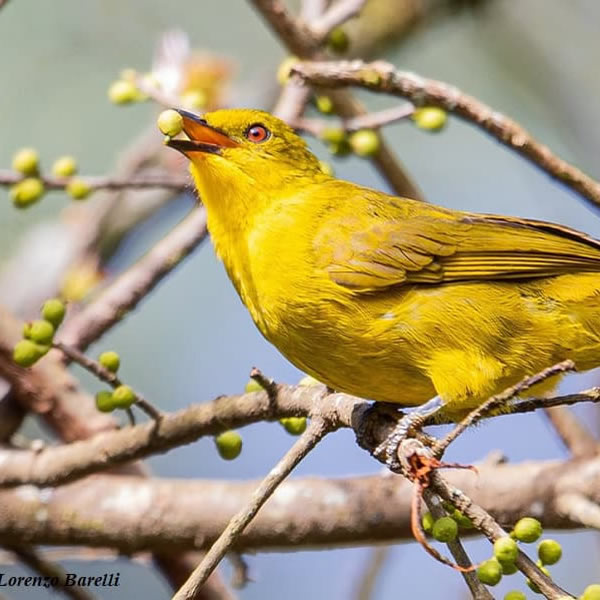
This park is one of the places that is not to be missed by any birder along with the great Nyungwe forest national park. It harbors 520 species of birds which are found in this national park. The birders who visit Akagera National Park are always impressed by the large number and great diversity of the bird species that range from water birds to forest birds, and also savannah species as well as migratory bird species. There are also a number of species that are endemic to the park and are so rare like the papyrus gonolex which is found in the papyrus swamps. There are also the localized red faced barbets, and the swamp fly catcher as well as the elusive shoebill stork all found in Akagera National park. Other species include: fish eagles, Grey-backed Fiscals, Cattle Egret, Black-headed & Viellot’s Black Weavers, Hamerkop, Pied Crow, Sacred & Hadada Ibis, Long-crested Eagle and the Augur Buzzard.