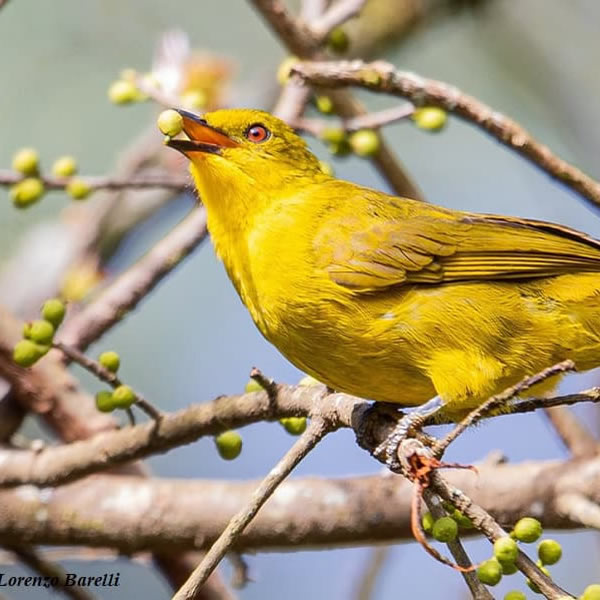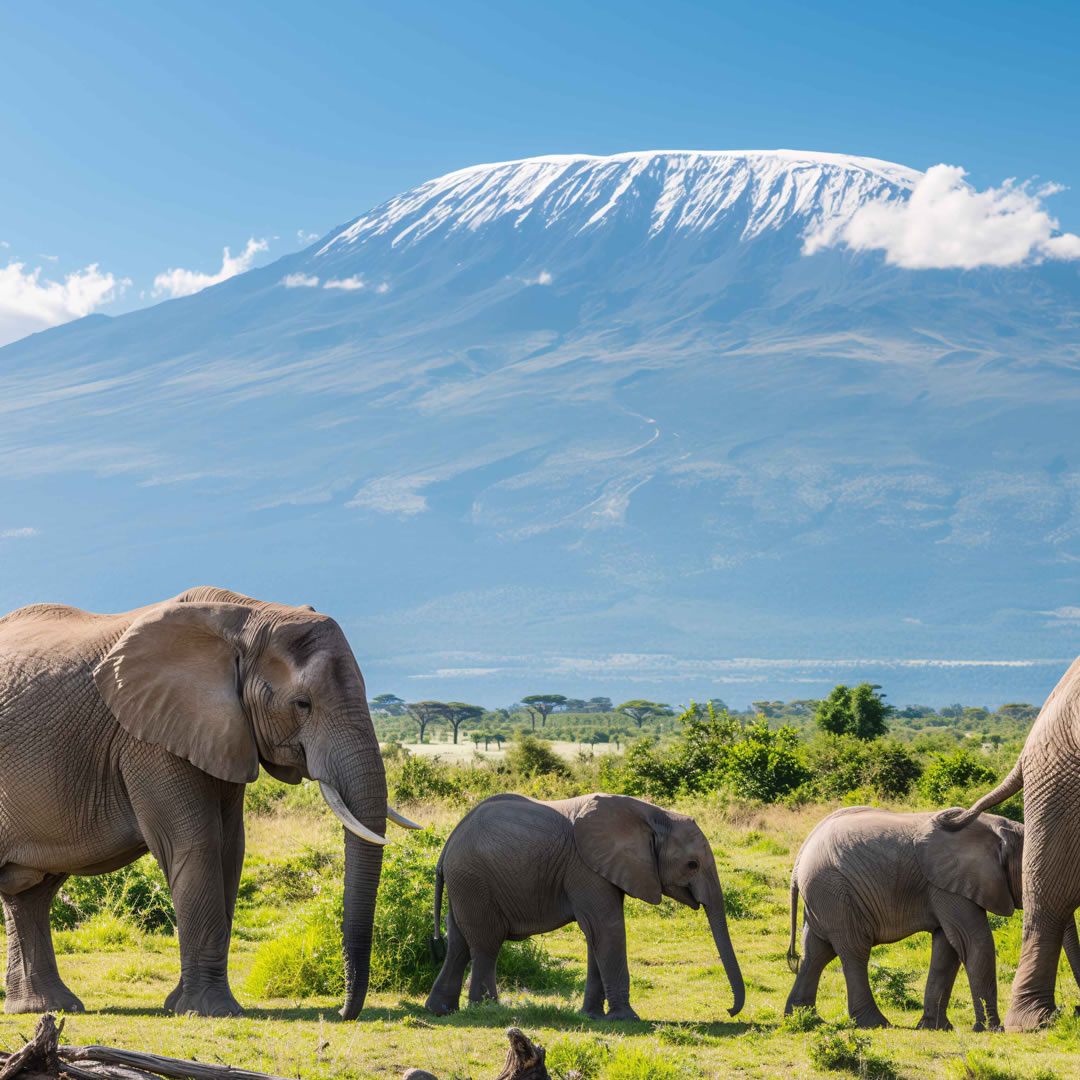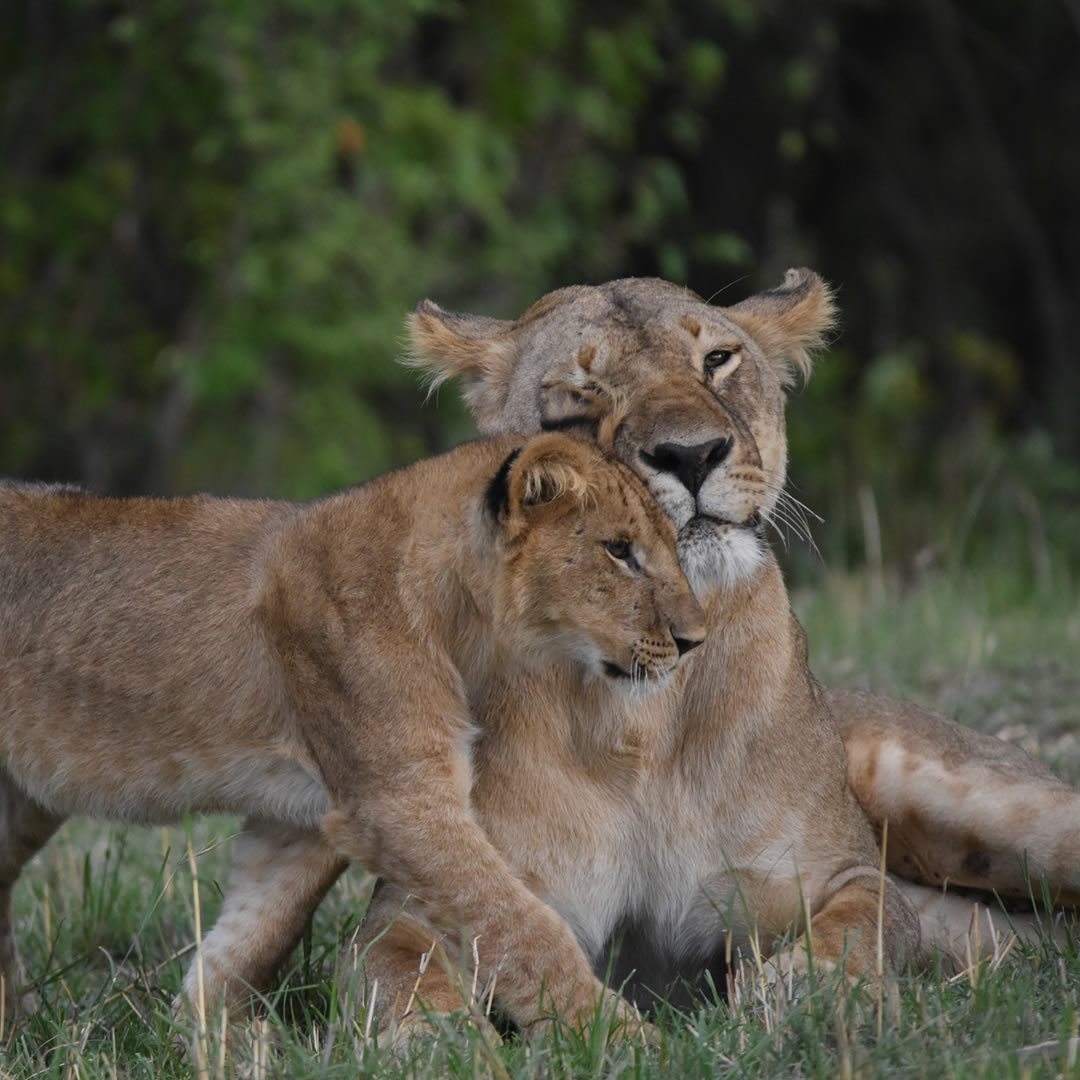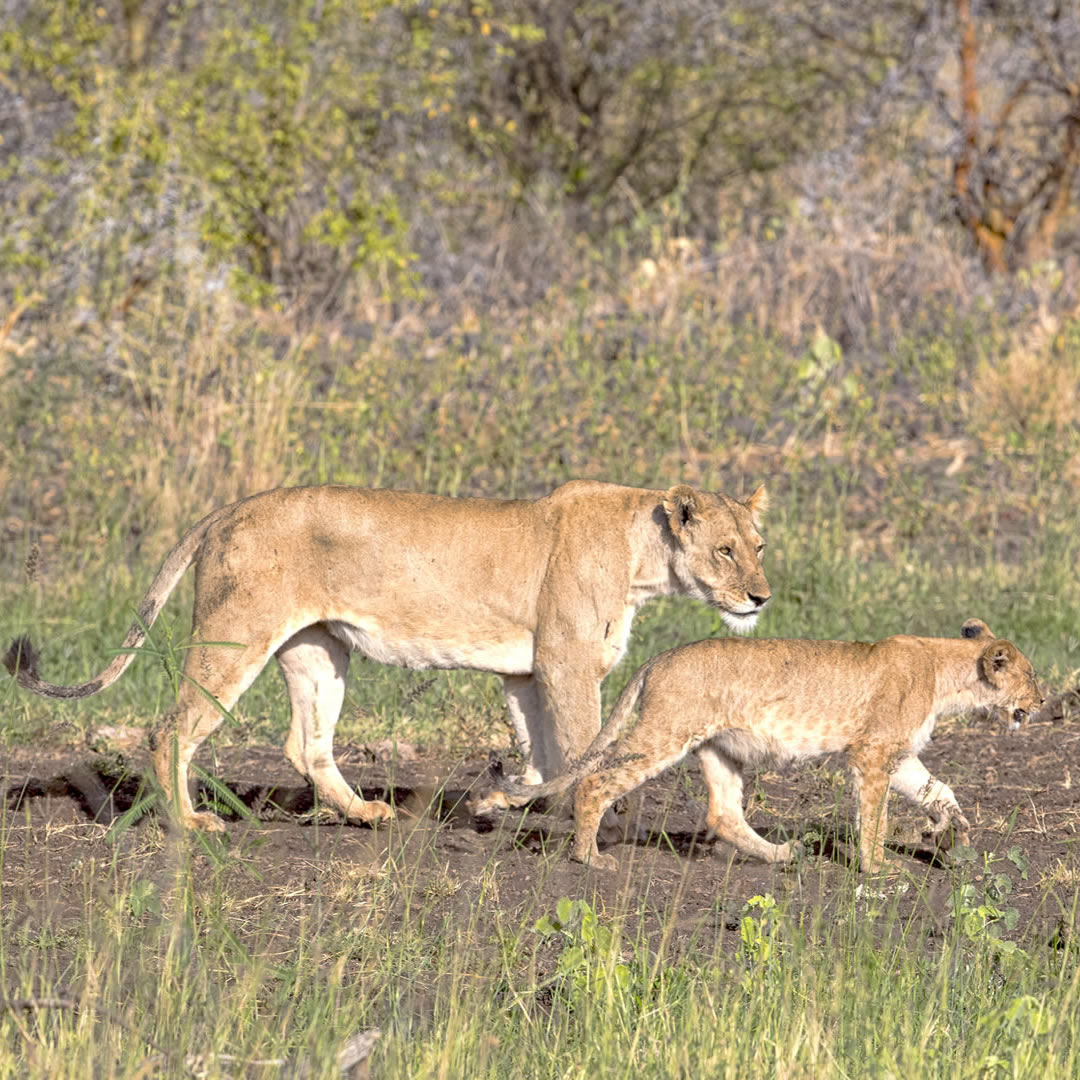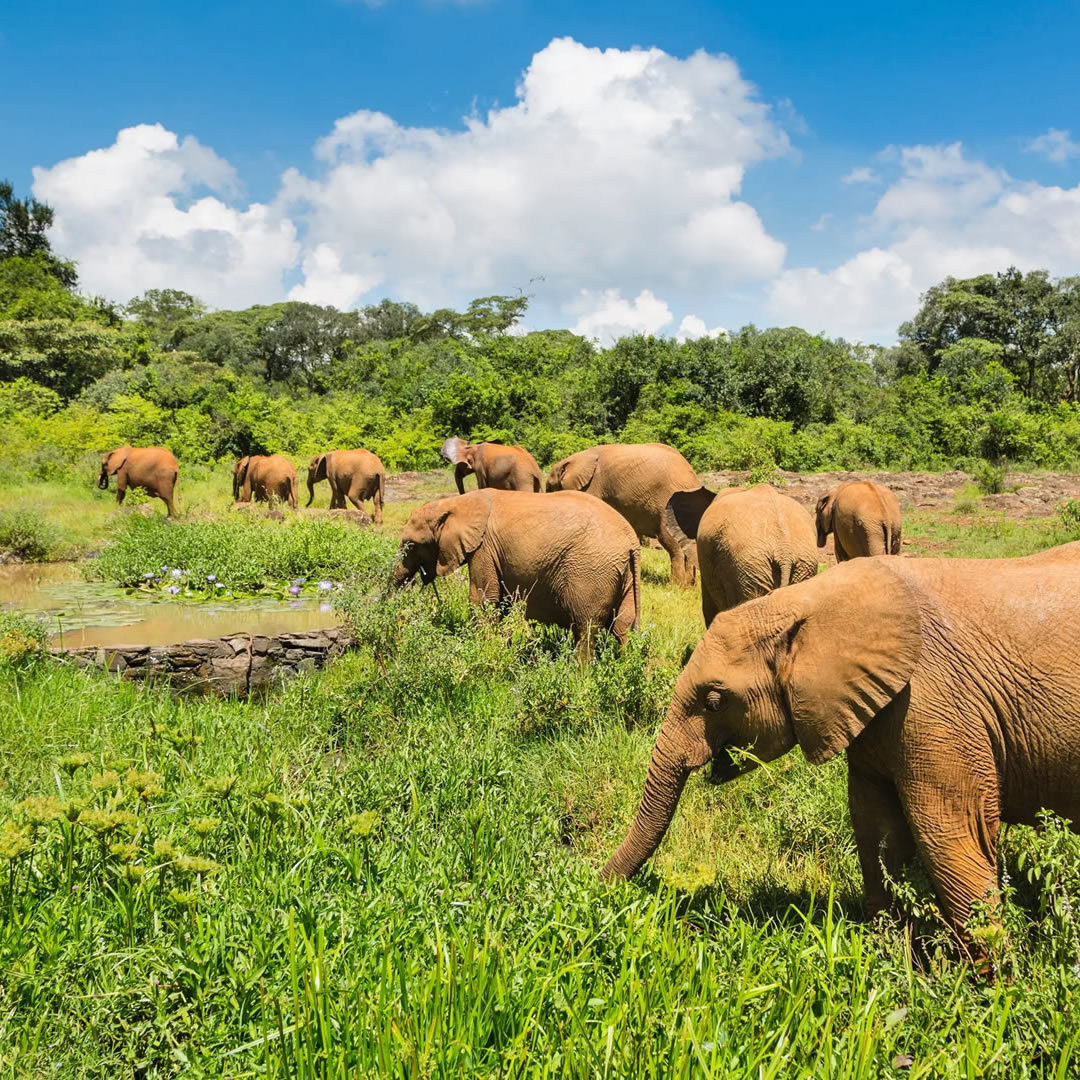
This iconic park is the only national park within the limits of a capital city. It is home to a diverse array of wildlife including lions, leopards, buffalos, zebra, antelopes, giraffe and over 400 species of birds. Once inside the park, it really does feel like you have left the city behind. Sunset over the Ngong Hills and vast vistas stretching down over acacia-dotted plains are evocative of the spirit of Africa. Although fenced on three sides, the 117 square kilometre park is open to the south and teeming with wildlife. Covering 117sq km it is covered with forest at the western end, river line forest to south and grassy plains over much of the park and creates an unexpected beauty of lion gold plains and cool valleys.
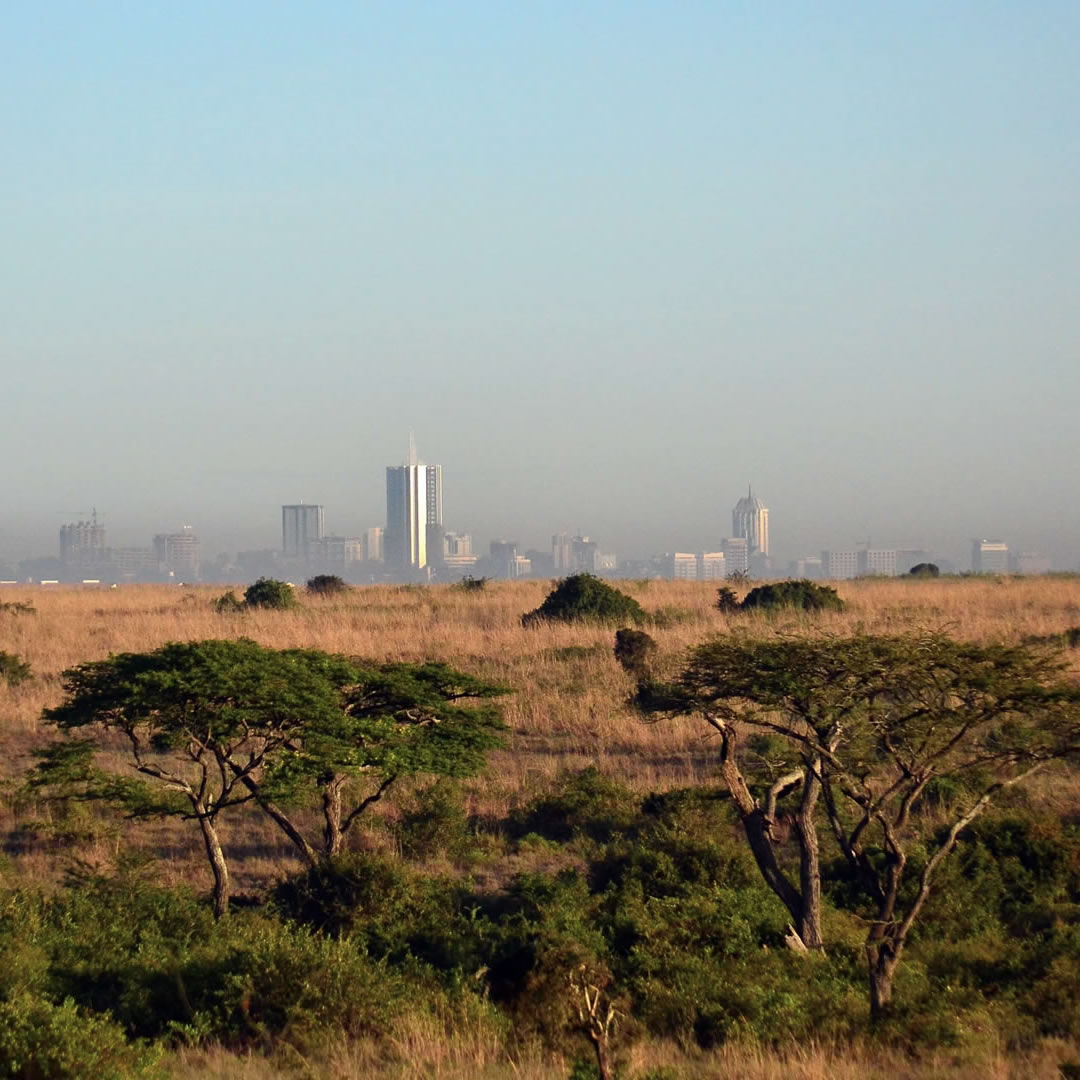
Nairobi National Park is exactly what the name suggests – a national park pressed against a capital city. Some of Nairobi’s busiest road networks run along the northern boundaries, and the runway of Jomo Kenyatta International Airport is less than five kilometres from the park’s fence. Schools, shopping malls and every conceivable modern convenience lie just a stone’s throw from an open savannah where prides of lion stalk through the grass and herds of wildebeest and zebra migrate with the seasons. Apart from the intrinsic convenience of such an arrangement, it is the bizarre cognitive dissonance that attracts the park’s annual flood of visitors. This is no zoo, and the animals are as wild as those of the rural regions more often associated with traditional safari fame. Moreover, though the 117km2 (11,700 hectares) park is small compared to other Kenyan giants like Tsavo East and West National Parks or the Maasai Mara National Reserve, it punches far above its weight in historical and conservation value.
June to October is the long dry season in Kenya and is the best time to visit Nairobi National Park. As a general rule, the further into the dry season you go, the better the game viewing gets. In November and December, there is a short rainy season, and the park is especially beautiful at this time of year as the vegetation is lush and there are many migratory birds present. From January to March, the dry conditions return, and it is a good window to visit as you can enjoy the stunning post-rain scenery, whilst keeping mostly dry!
Nairobi National Park has a cool and temperate climate. Temperatures are reasonably constant year-round, and it cools off considerably at night. There is very little rain in the Dry season (June to October). The Wet season (November to May) has two periods of rain. The short rains are heaviest in November, and the long rains are at their peak in April.
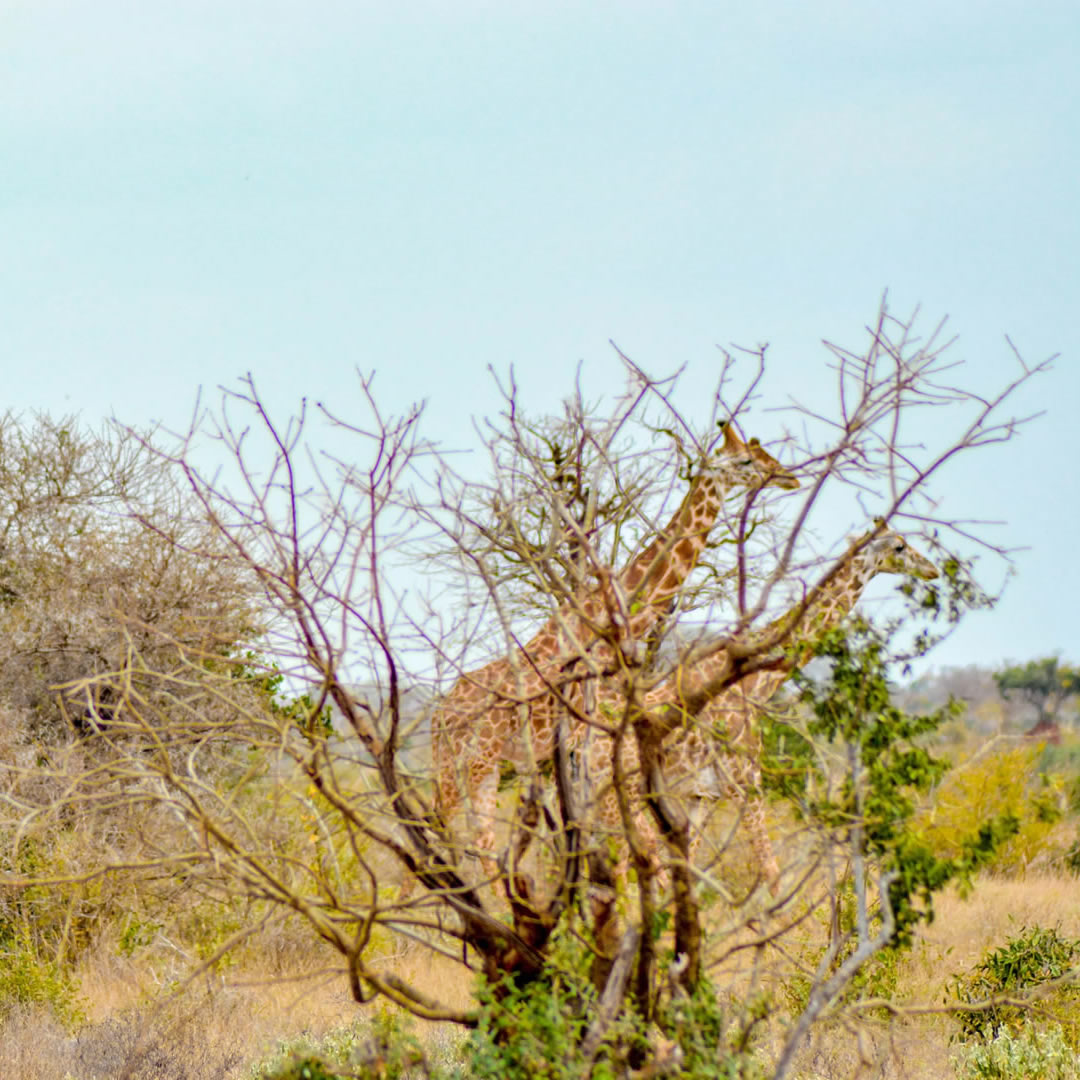
Head out on a game drive early in the morning, and you can spot some of 100 different mammal species that call this park home, including rhino, buffalo, lion, leopard, zebra, gazelle and giraffe. If you are a keen birder, Nairobi National Park has over 400 recorded migratory and endemic bird species. The park has a number of designated picnic spots, and the savannah and wildlife juxtaposed by the city skyline in the background is a surreal sight. The Nairobi Safari Walk - a 2.5 km circuit - follows a raised wooden platform taking you over a simulated forest, wetland and savannah habitats. You'll pass plenty of wildlife en-route, and it's a great opportunity to stretch your legs and learn more about Kenya's ecosystems from the local guides. Along the trail, you may spot the rare forest-dwelling bongo, albino zebra, primates and big cats. This is an excellent half-day excursion, which you can do after a game drive or visit to the animal orphanage.
Aside from the main gate, which is situated 7 km from the city centre, there are two other gates on Magadi Road and the Athi River gate; the latter is great if you plan to continue to Mombasa, Amboseli, or south to Tanzania. Unless you have a car, the most affordable way to see the park is on the shuttle, a large Kenya Wildlife Service (KWS) bus that leaves the main gate at 2 pm on Sunday for a 3-hour tour.
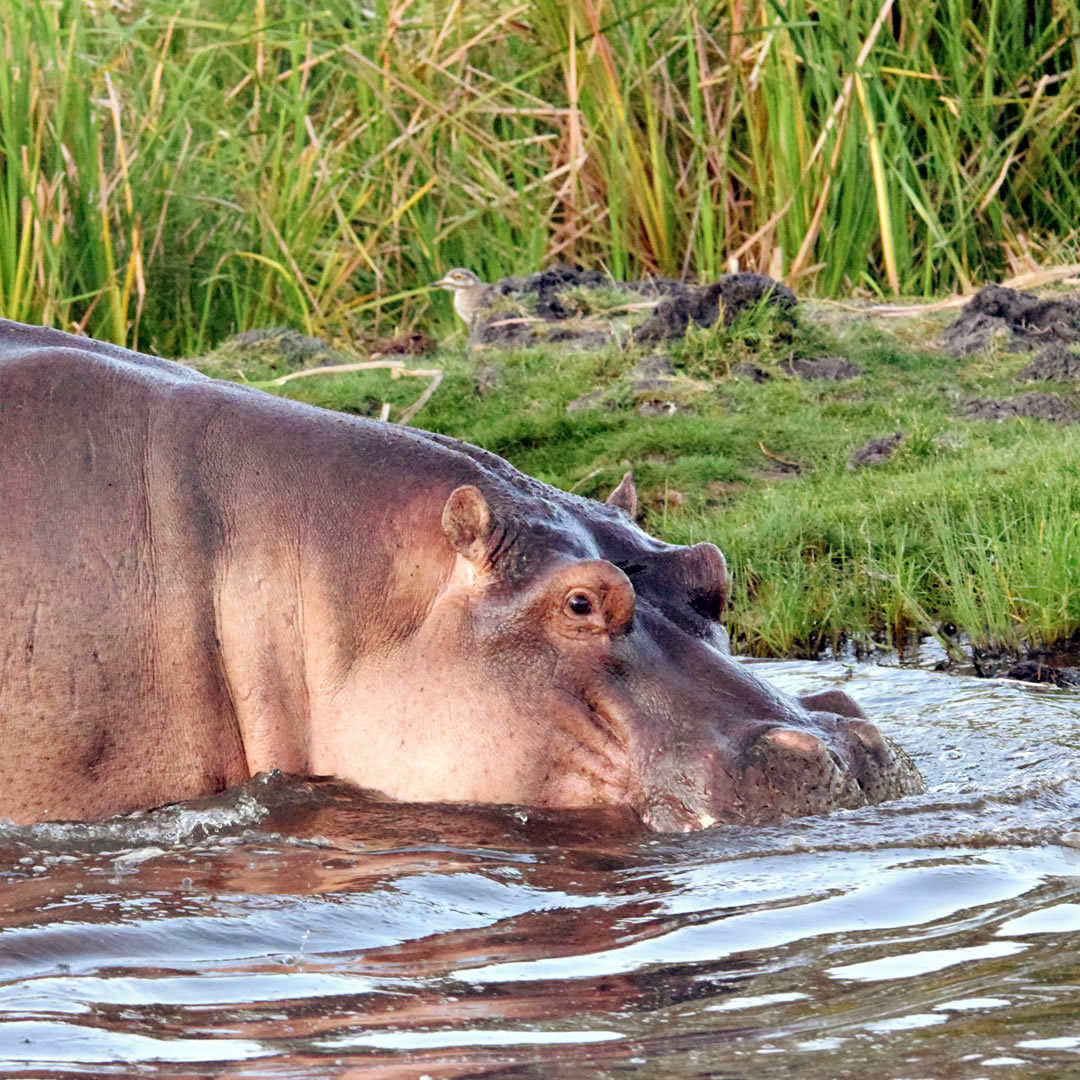
With nearly 500 bird species recorded, Nairobi National Park gives Kenya’s capital one of the longest bird lists of any city in the world. The park’s substantial area of undisturbed grassland is of great importance for species such as the restricted-range Jackson’s widowbird, which breeds here regularly after good rains. Other grassland birds include ostriches, secretary birds and bustards. Waterbirds also gather around Hyena Dam and Nagolomon Dam. Nairobi NP is a popular birding destination and it’s easy to book a full- or half-day guided birding trip at short notice.