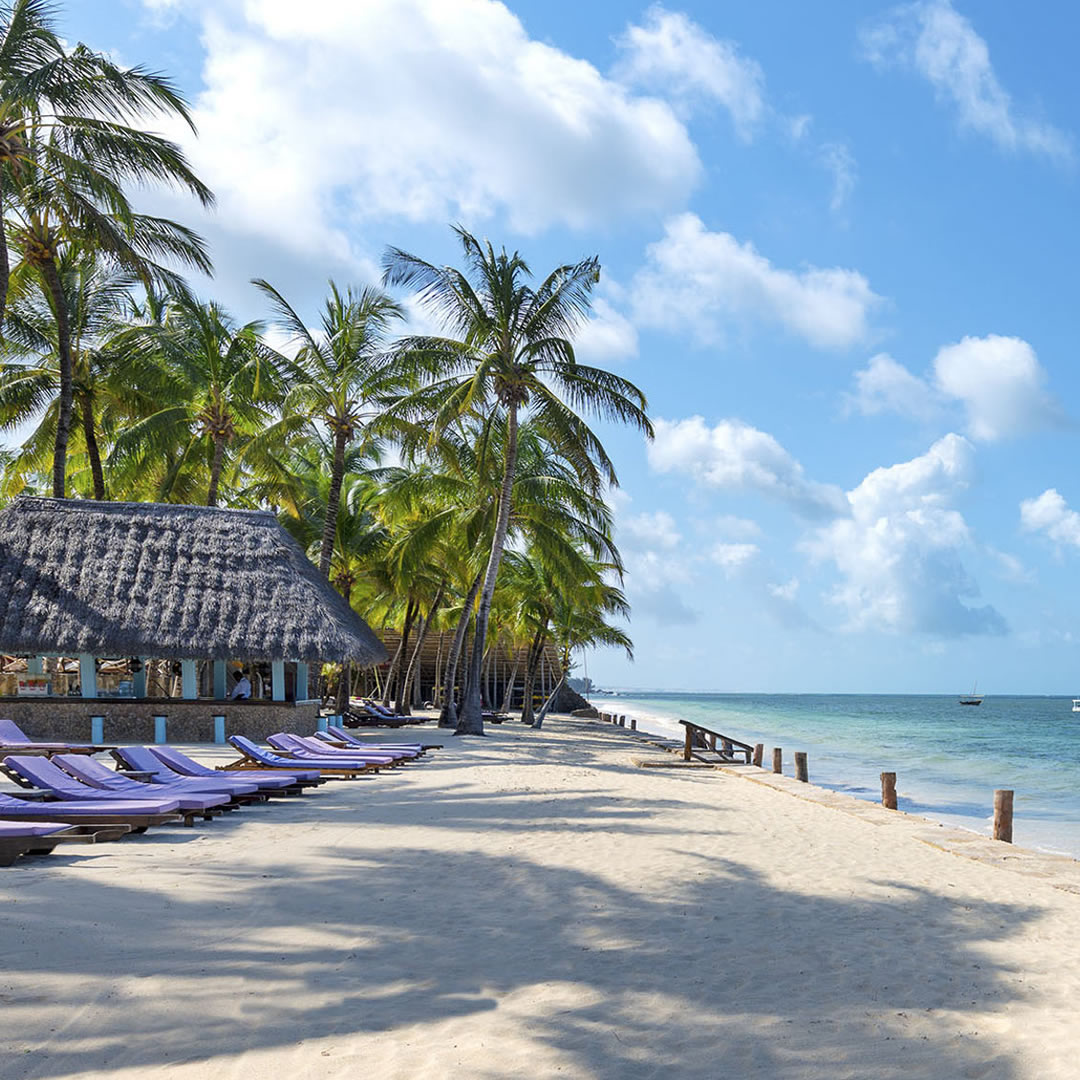
The Zanzibar archipelago consists of a number of islands but the main island, and the most popular, is known as Unguja. This island is known for the historical Stone Town, its beautiful beaches, and the vivid underwater world around it. As an island in the Zanzibar archipelago, Unguja is governed by separate political, religious, social and historical laws to the rest of Tanzania. Unguja can be divided into five main sections that are all easily accessible between each other; Zanzibar city; the Northernmost tip; the North east; the East coast; and the South coast.
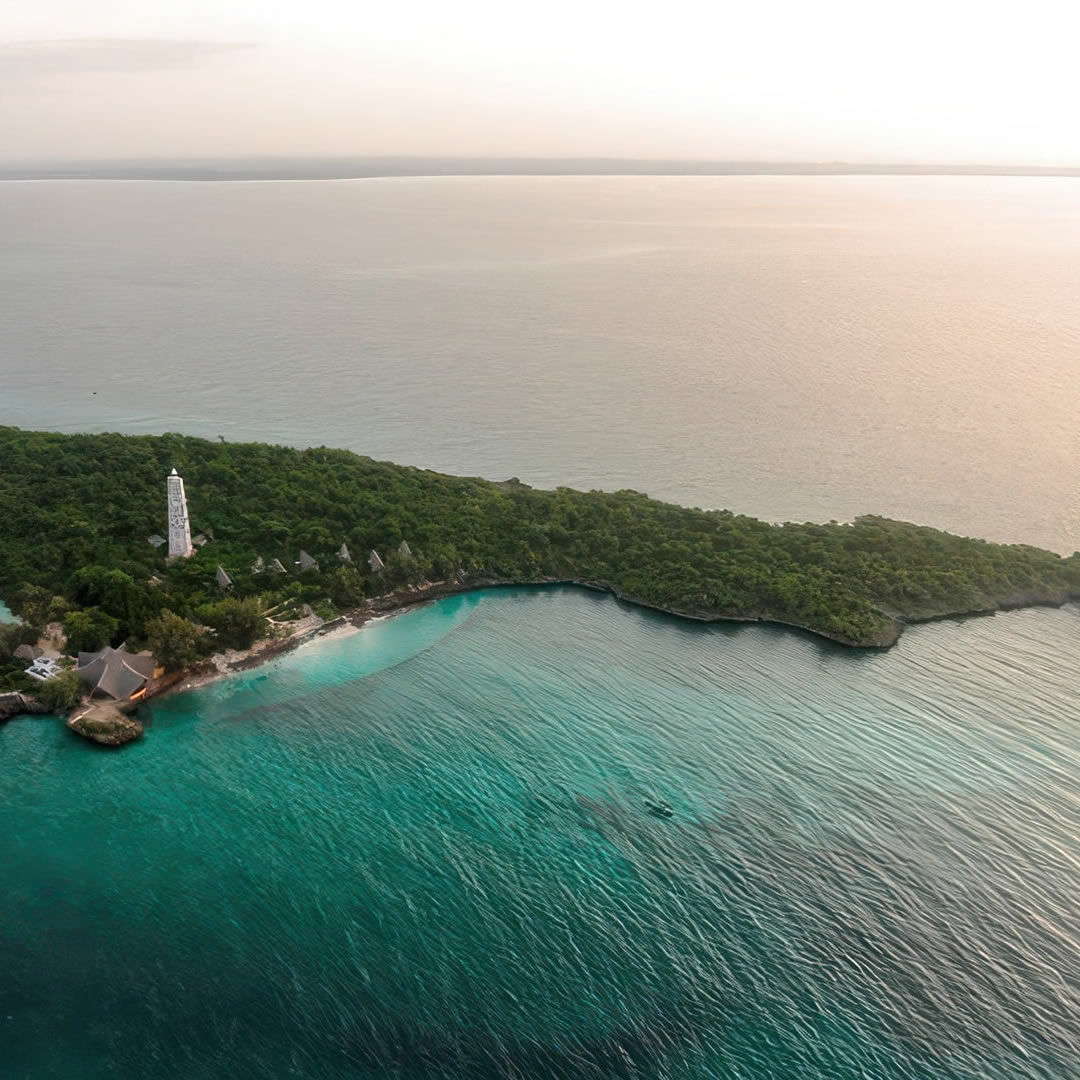
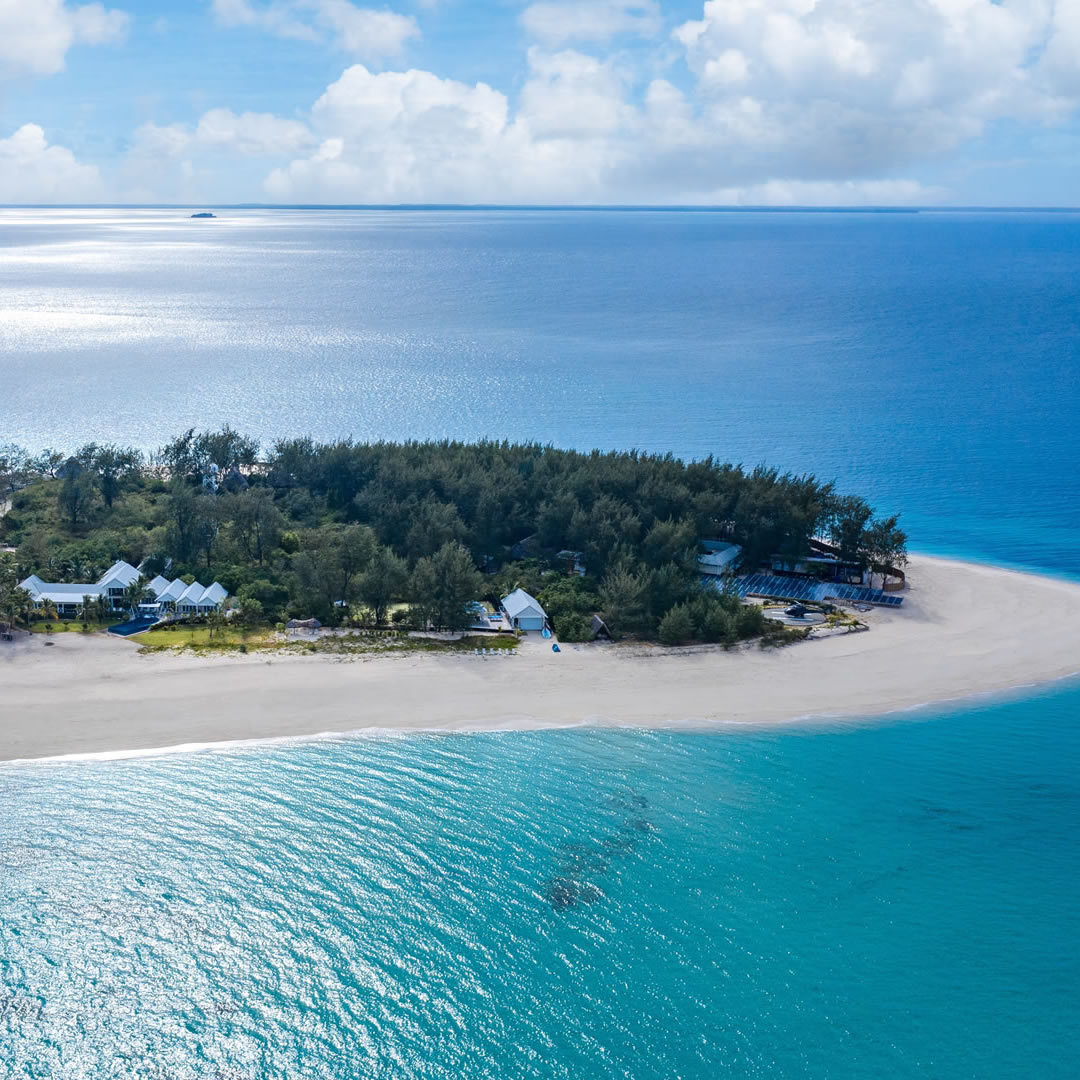
The Zanzibar islands are named the Spice Islands, because of their rich history in spice trade and the many spice plantations. The historic Stone Town is an amazing mix of cultures. Food lovers and culture enthusiasts can visit interesting places, such as the Sultan’s Palace, the House of Wonders and the Darajani or Forodhani food markets. Stone Town, a World Heritage Site, boasts a labyrinth of winding alleys, bustling marketplaces, beautifully carved wooden doors, breathtaking mosques and grand Arab residences. Another must-see attraction on Zanzibar includes the Jozani Forest Reserve – home to the rare Kirk’s red colobus monkey and Aders’ duiker. Off the north-eastern coast of Zanzibar is Mnemba Island – an idyllic private island featuring luxurious accommodation, breathtaking scenery and rich marine diversity.
Zanzibar city is Zanzibar’s capital, and the largest city in Unguja. It consists of two main parts; Stone Town and Ng’ambo (literally translated as ‘the other side’). The city is the main entrance point to the entirety of Zanzibar, the starting point for most tours. The rest of Unguja’s sites and towns are accessible from this city. The city is most well-known for its historical centre, although it does have a modern side with shops and international offices. We recommend spending most of your time in Stone Town, the historical centre, but there are some beach resorts in Zanzibar city. More information on Stone Town can be found in our dedicated page. From Stone Town, the following tours operate; Chumbe island, prison island, Jozani forest and to the spice farms.
We take you on a walk through the spice farm to see cardamom, cloves, cinnamon, turmeric, black pepper, lemon grass, vanilla and nutmeg, helping you appreciate the island’s rich history in the spice trade. Most tours include the entrance fee price, tour guides, transport, and sometimes a traditional lunch. Most farms are only 15km outside of Stone Town, there is an entrance fee paid on entry. Remember to tip your tour guide and the assistants that climb up the palm trees to get coconuts for you to try.
The North of Unguja islands can be reached by car. Nungwi, located on the northernmost tip, is a 2-3 hour drive from Stone Town. The area is popular for swimming, kite surfing and diving thanks to the tide, which remains high throughout the day to allow for water activities. This is in contrast to the South and East coast, where the tide ebbs and flows, making swimming only possible at certain times. More information on Nungwi’s activities and lively atmosphere can be found here. Kendwa also offers diving and snorkelling options, and is one of the more active tourist areas of Unguja. If you are keen to enjoy some bright, bubbly atmosphere and an active nightlife, head out to Kendwe on Saturday, where there is a party at the Rock Hotel. Similar to the renowned parties in Thailand, should the full moon fall on a Saturday, the Rock Hotel’s part is even grander. Other options include Bubgwi, a lively village offering good diving and the chance to view turtles.
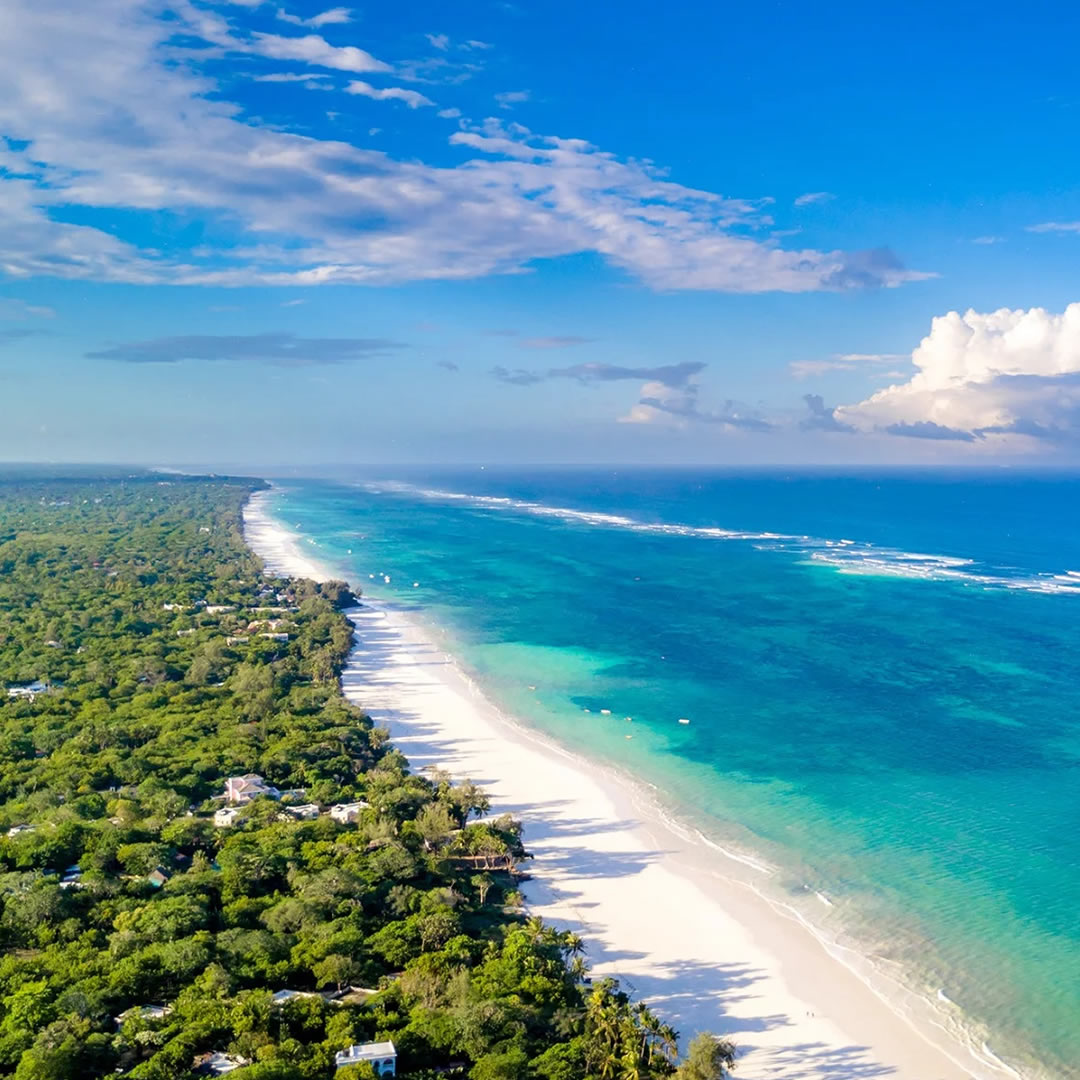
It is a short distance from Stone Town to the North eastern side, and this area can be considered the quieter cousin of the northern towns like Nungwi and Kendwa. Locals and expats prefer to spend their time at Matemwe thanks to the comparative tranquillity. This is also a remarkable 20 km stretch of beach, where you can walk between the villages of Kiwenga and Pwanimchangani. Matemwe is also the jumping off point to Mnemba island, one of the best snorkelling and diving destinations in Zanzibar. The island is 30 minutes from Matemwe, and you can ask your hotel to book you a tour.
The East coast begins at Uroa village, and includes the popular towns of Bwejuu, Paje and Jambiani. For more information on Jambiani, be sure to check out our dedicated page. Again, this region can be reached from Stone Town within an hour. In comparison to the North, this area is far more relaxed, with vibrant vistas of local life. The area is still popular with kite surfers even though the beaches are tidal and can only be accessed at certain times of the day. Paje is a kite surfer’s paradise with wind almost every day of the year, great beach bars and live music much of the week. This is a popular destination for low budget travellers in general, regardless of whether or not they kite surf. For those that don’t, you can enjoy the beaches, or take a bike ride to the East coast’s other towns. Bwejuu, a peaceful village, lies 5km from Paje. 5km from Bwejuu is the Blue lagoon in Dongwe, which offers excellent snorkelling at low tide.
The tourist sites and activities in the South of Unguja can be reached from Stone Town within a 1hr to 1.5hr drive. As you leave Zanzibar city, you will drive through an impressive alley of Mango trees. The first stop is Uzi island, which can be reached by car at low tide but careful, it floods at high tide! Here, the locals have maintained their traditional way of life; most residents are fishermen and farmers. The island is home to Menai Bay conservation area, where you can see dolphins, turtles, and mangrove forests, as well as Sea Turtle Lagoon, which offers guided tours. Other activities in the South of Unguja include the Zanzibar Butterfly centre, and Zala park. The Butterfly centre is a community and environmental project that aims to alleviate poverty and conserve the local forests. The Zala park houses snakes, lizards, chameleons and more. Both are excellent activities for families travelling with children. Surfing on the southeast coast is becoming more popular, with warm crystalline waters at waist height for beginners, and some areas with shoulder and head height for more advanced surfers. There are plenty of surf board rental options for a half day, and the guides are happy to show you where to go.