Situated in the southwest of Kenya, covering an area of 1,510 square km (583 square miles), the Maasai Mara National Reserve is a land of breathtaking vistas, abundant wildlife and endless plains. The quintessential Maasai Mara safari delivers many attractions, as the reserve is home to an excellent year-round concentration of game, including the more than two million wildebeest, zebras and other antelopes that make up the famous Great Migration.
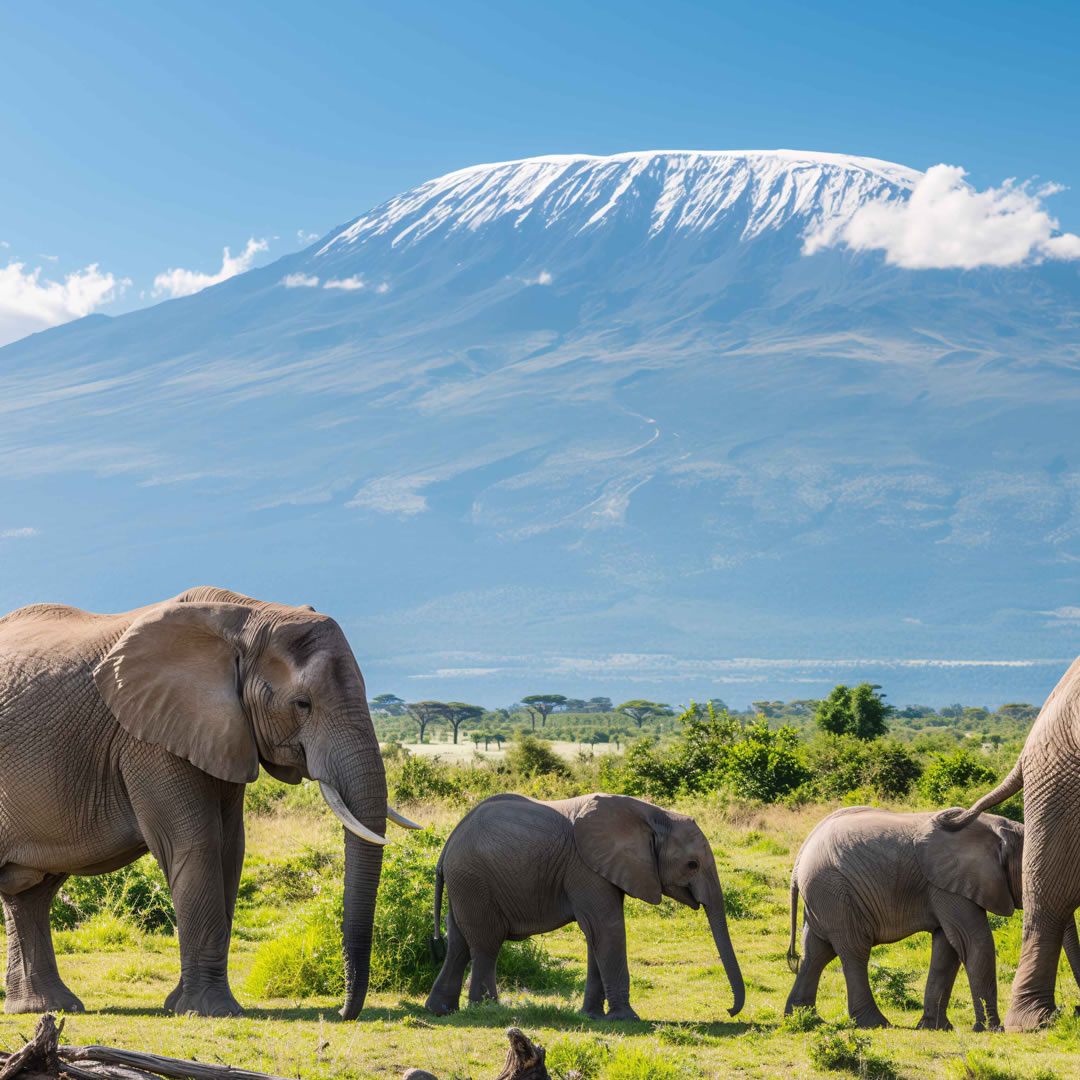
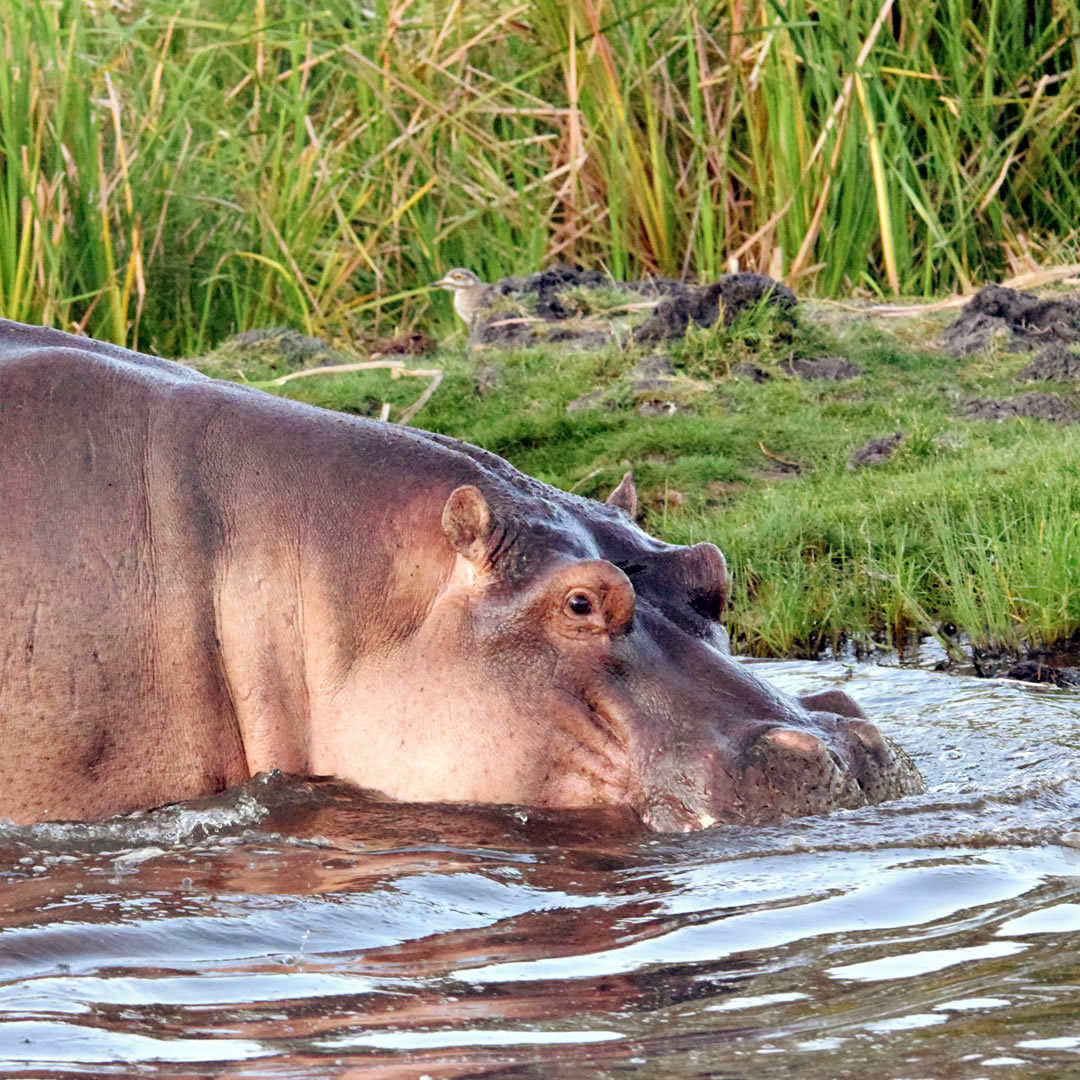
The reserve is a photographer’s and naturalist’s paradise, with abundant elephant, buffalo, giraffe, lion and cheetah alongside the migratory wildebeest and zebra. Leopards are frequently encountered, endangered black rhino hide in the dense thickets and large rafts of hippo and enormous crocodiles are found in the Mara River. The park is also home to over 450 bird species.
The Maasai Mara National Reserve and its neighbouring conservancies form Kenya’s flagship conservation area and one of the top safari destinations in Africa. Its wide-open plains provide a sanctuary for an abundance of animals like elephant, buffalo, zebra, giraffe, hyena and the Mara’s famous big cats: lion, leopard and cheetah. And between about August and November every year, the Mara is a much-welcomed pit stop for unending masses of wildebeest that follow the rains on their death-defying, 2 900-kilometre (1 800-mile) circular journey.
The best time to visit Maasai Mara is between July and October, during the Great Migration. Temperatures remain pretty consistent year-round, and rainfall is all that separates the seasons. January and February is the driest season. These months offer the best wildlife sightings and great conditions for safari. March to May is the rainy season, and some lodges and camps will close in April when the rains are at their peak. June to October follows with a short dry season, often punctuated with short, sharp showers. Temperatures are typically cooler at this time of year.
Due to the altitude, the climate in Maasai Mara National Reserve is slightly colder and wetter than might be expected this close to the equator. Daytime is pleasant with temperatures in the mid to high twenties Celsius (mid seventies to low eighties Fahrenheit), while it cools off significantly at night.
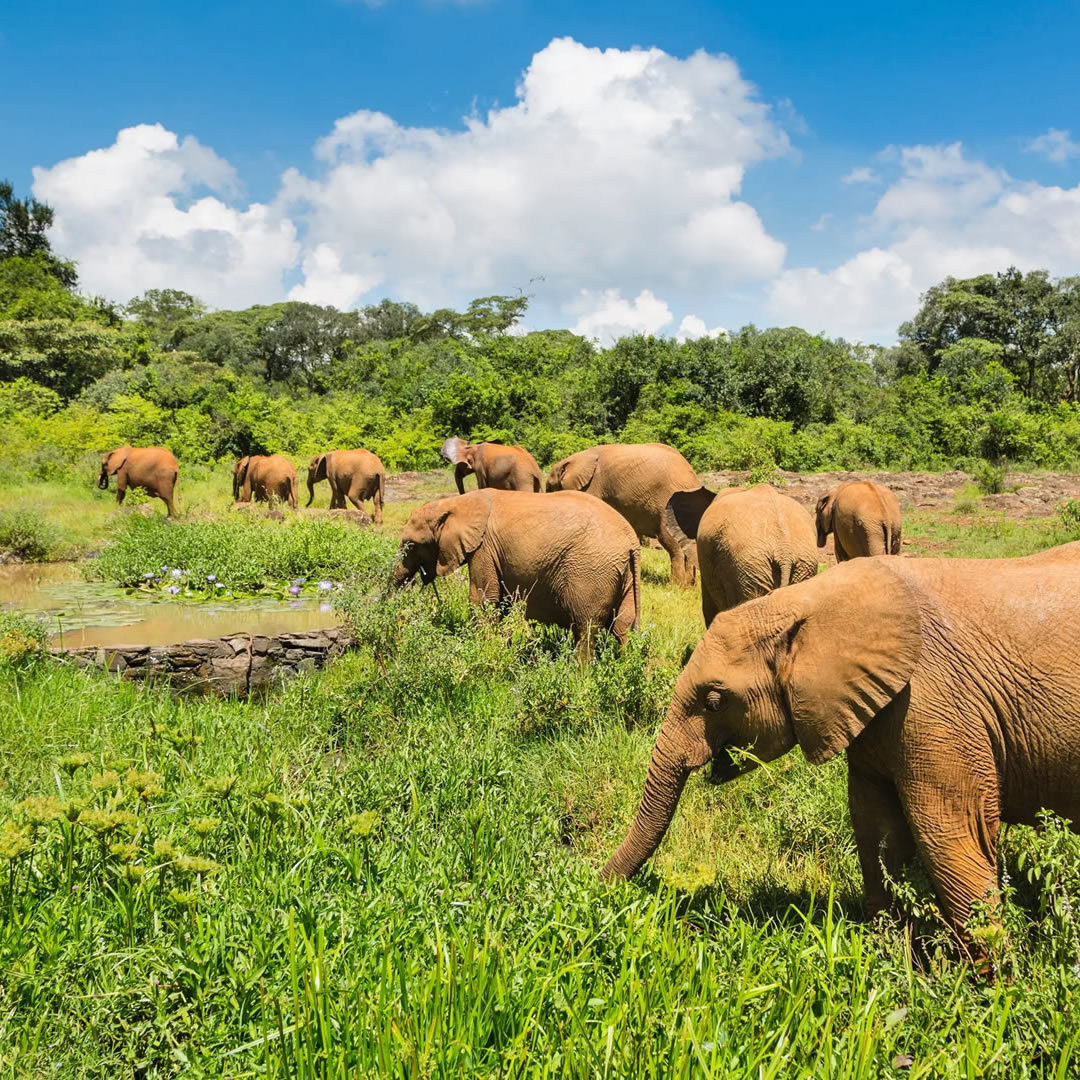
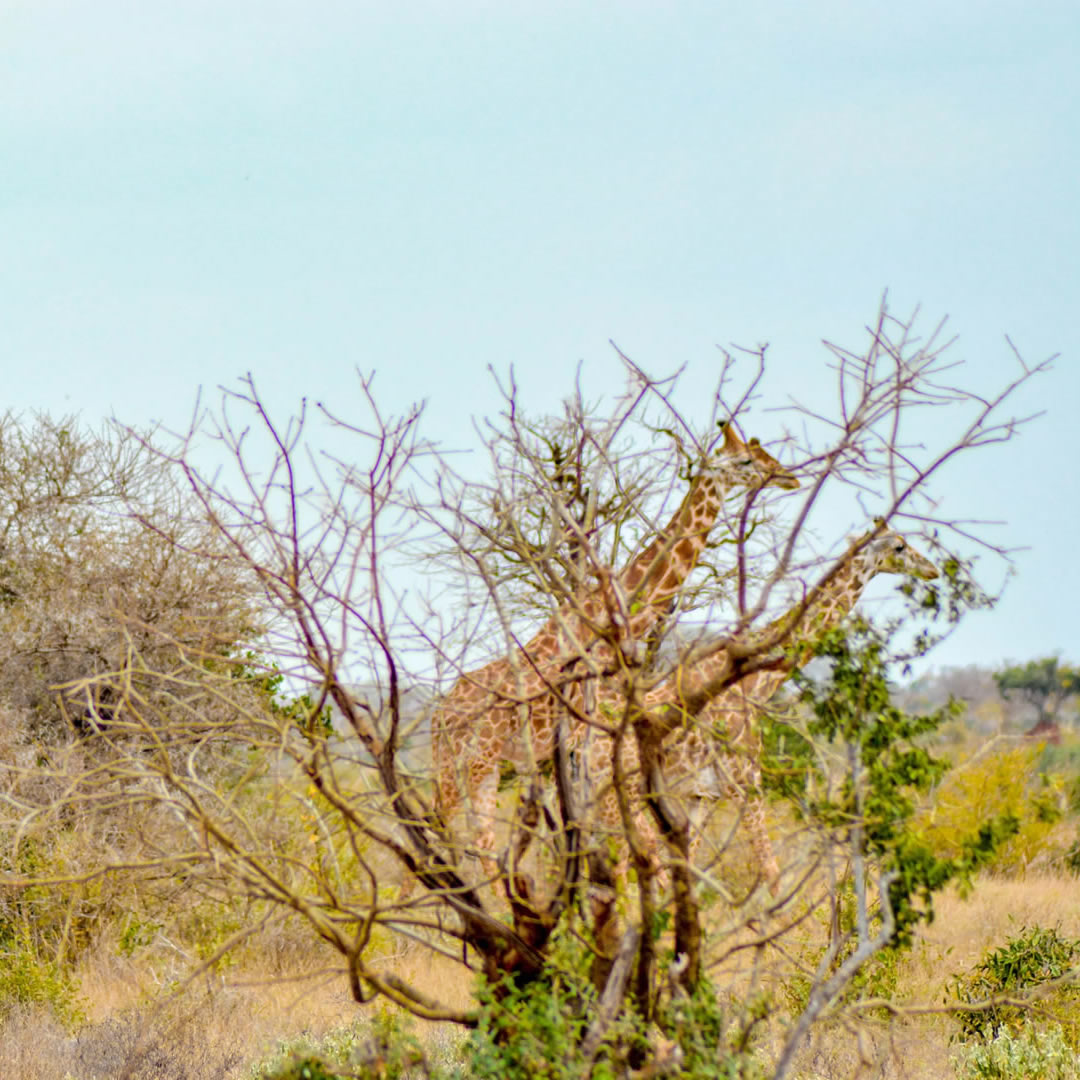
Game viewing in the Maasai Mara is excellent all year round thanks to its varied landscapes, wide open spaces, temperate climate and diverse population of resident game. Its champagne-coloured savannahs are home to safari heavyweights like lion, leopard, elephant and buffalo, plus popular species like zebra, giraffe, hyena, eland and gazelle. Rhino sightings are scarce, but these endangered animals can be spotted – if you’re in luck – in the Mara Triangle.
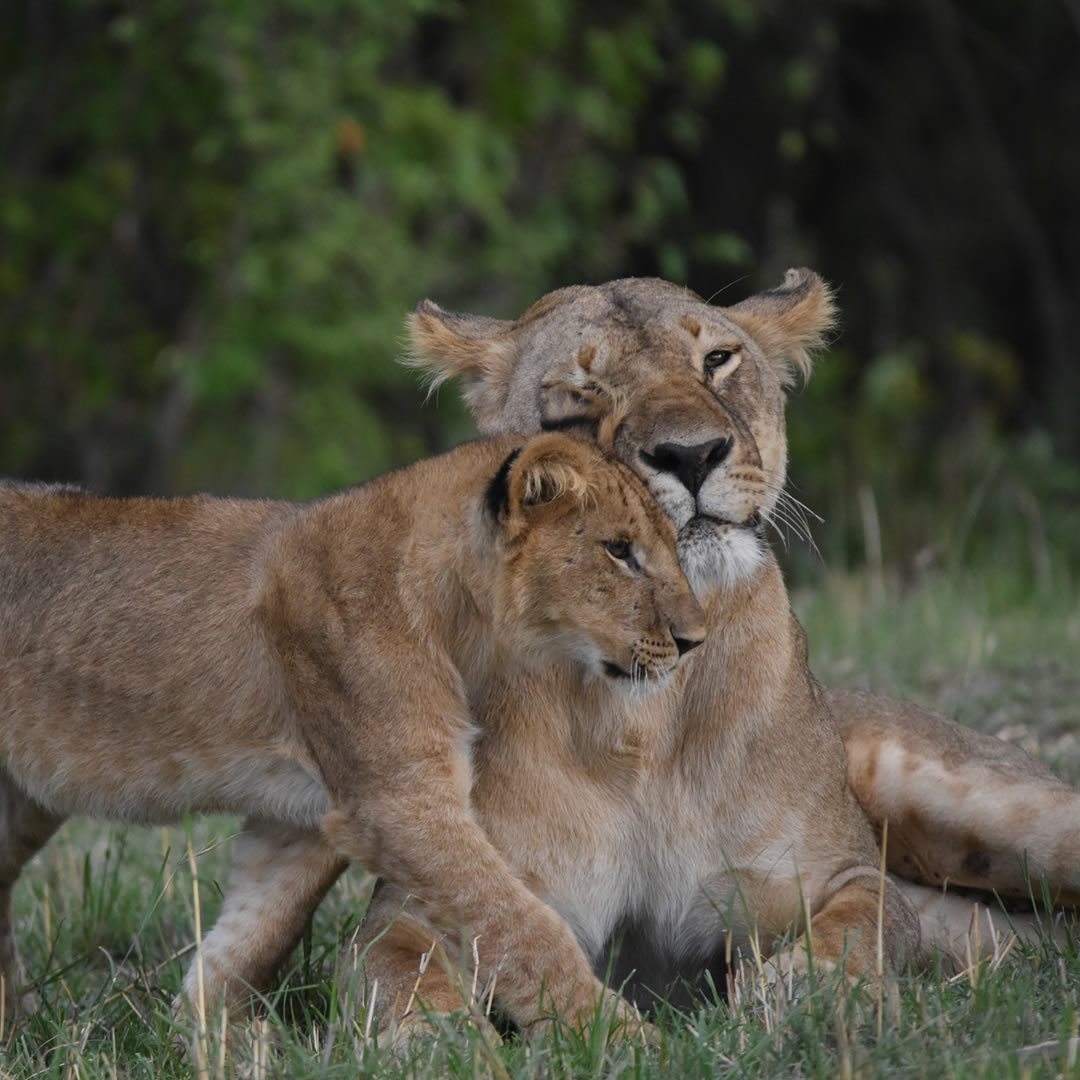
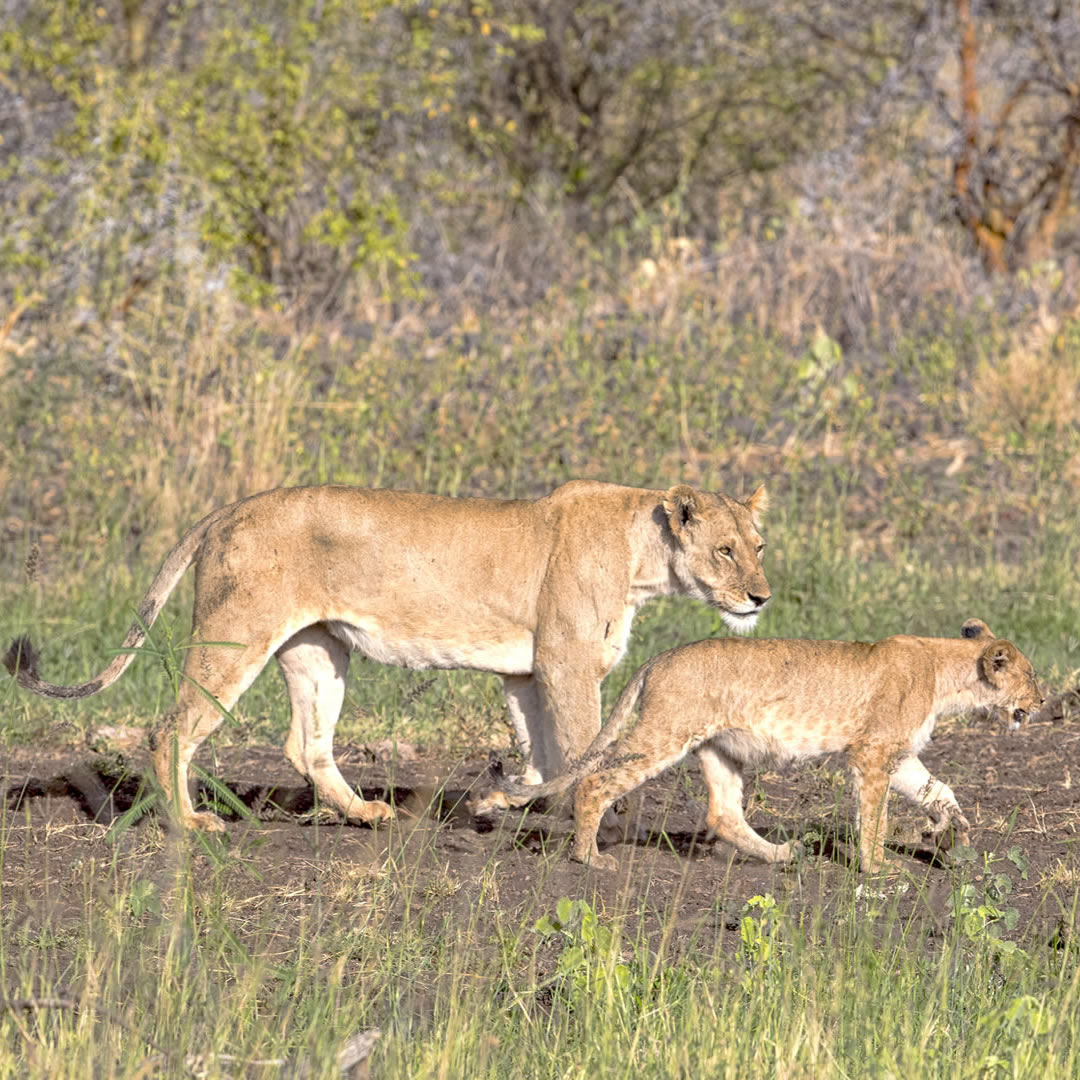
The Mara is renowned for delivering exceptional big cat (lion, leopard and cheetah) sightings. Cheetahs are particularly well adapted to the region’s flat plains, which makes the Maasai Mara one of the best places to see these nimble predators. They often seek vantage points on fallen trees, termite mounds, and even game drive vehicles! It’s a highlight of any Maasai Mara safari to watch the world’s fastest land mammal chase down its prey.
Most people fly to the Maasai Mara. If you’re driving, Maasai Mara National Reserve is 270km/168mi west of Nairobi. The road to the reserve is paved all the way from Nairobi to Sekenani Gate, and the driving time is about 4 to 5 hours*. If you’re driving to the northern end of the Mara (including to the Mara North and Mara Triangle conservancies), there’s an unpaved stretch of 70km/43mi soon after leaving Narok, although there are plans to seal the road. It’s also possible to drive from Lake Nakuru National Park. The distance is about 235km/150mi and the driving time is roughly 6 hours*.
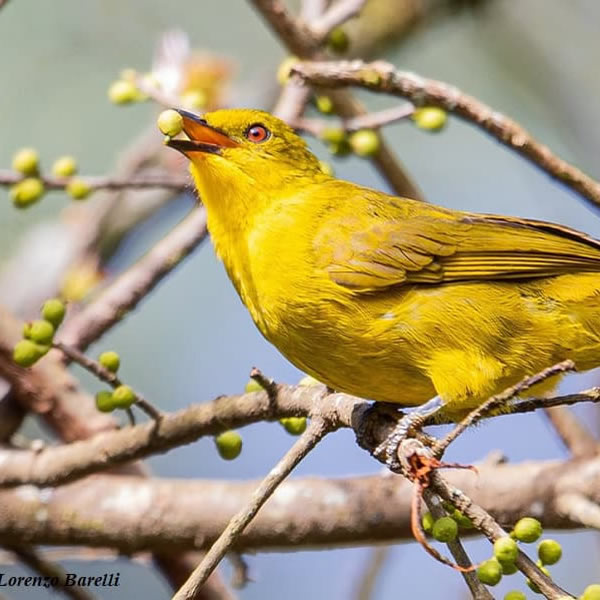
With more than 500 bird species recorded, Maasai Mara National Reserve is a world-class birding destination. It’s an excellent place to mark off a lot of Kenya’s savannah species from your bird list, and the park is particularly rich in raptors with 57 species present. Bateleurs often soar above the grassy plains and predator kills are a good place to find up to six species of vultures circling, roosting and scavenging. Migratory birds are present from November to April.