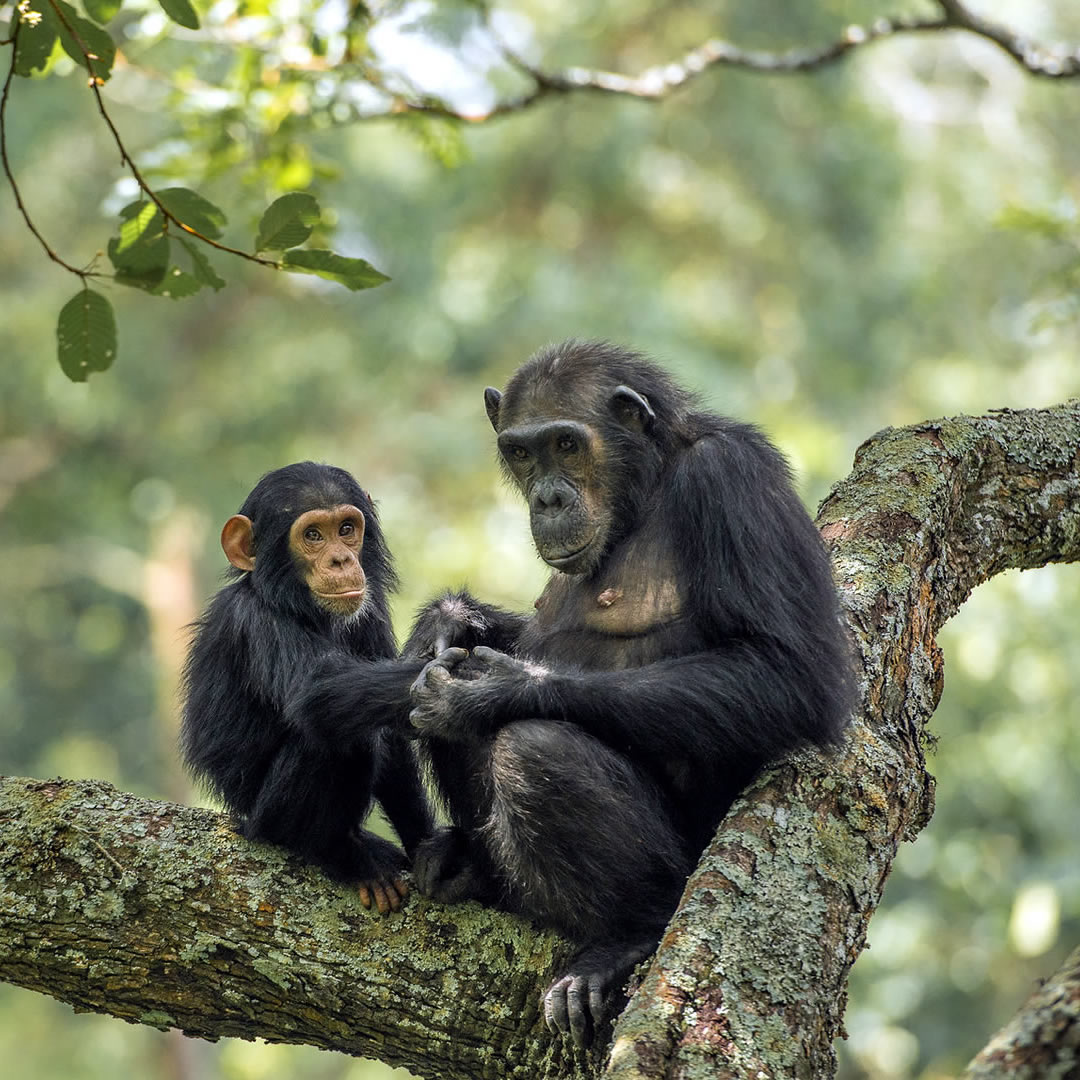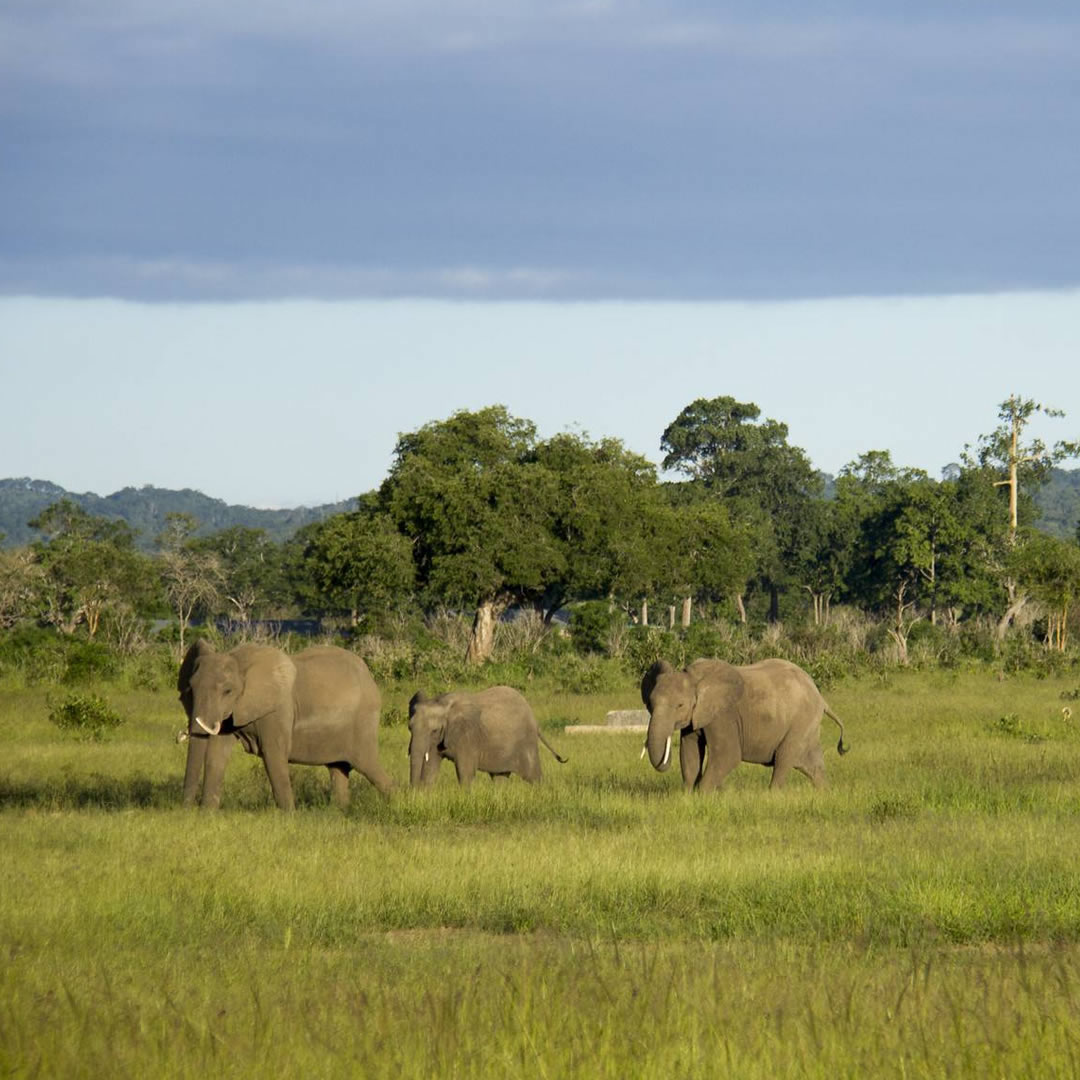
Spanning just over 14 square miles on the eastern shores of Lake Tanganyika, Gombe Stream is Tanzania's smallest national park. It is one of three places where you can see chimpanzees in Tanzania. The park's diverse topography comprises vast grasslands, dense woodland areas and tropical rain forest, bisected by steep valleys, rivers and streams of water. Famously, this is the site where Jane Goodall completed most of her pioneering chimpanzee research. The resident primatologist spent many years in Gombe observing the behaviour of Chimpanzees, an endangered species. Thanks to Jane Goodall, Many of the chimpanzee troops here are habituated (used to humans), meaning you can trek to see them up-close in their natural forest habitat.
Gombe Stream sits on Tanzania's remote western safari circuit, with Lake Tanganyika, Katavi National Park and the Mahale Mountains National Park. This circuit is seldom visited due to its remote location and access by flight or boat only. However, visitors are rewarded by untouched wilderness, great wildlife densities and a secluded safari experience away from some of Tanzania's busier parks. Gombe is home to many rare primates alongside chimpanzees. There are olive baboons, red colobus, red-tailed monkeys, blue monkeys, and vervet monkeys. Birds, butterflies, and a wide variety of rare forest flora can be spotted during forest walks and chimpanzee treks. There are no large predators in Gombe Stream, apart from the occasional leopard sighting.
The best time to visit Gombe Stream National Park is from June to September, during the dry season. Trekking through the forest is easier at this time of year, and the likelihood of seeing the chimps increases. Gombe has one continuous wet season from November to April, and we advise you to avoid this time, as nature walks are less enjoyable in the mud and rain and likely lead to cancellation.
The climate in Gombe National Park is warm to hot and humid. Daytime temperatures are around 26°C/79°F, and it cools down at night to around 18°C/64°F. The Dry season is from May to October. Unlike the coastal areas and northern parks (which have a Wet season consisting of two rainy periods with a dry spell in between), Gombe has one continuous Wet season from November to April. It rarely rains all day, but afternoon thundershowers can be expected.
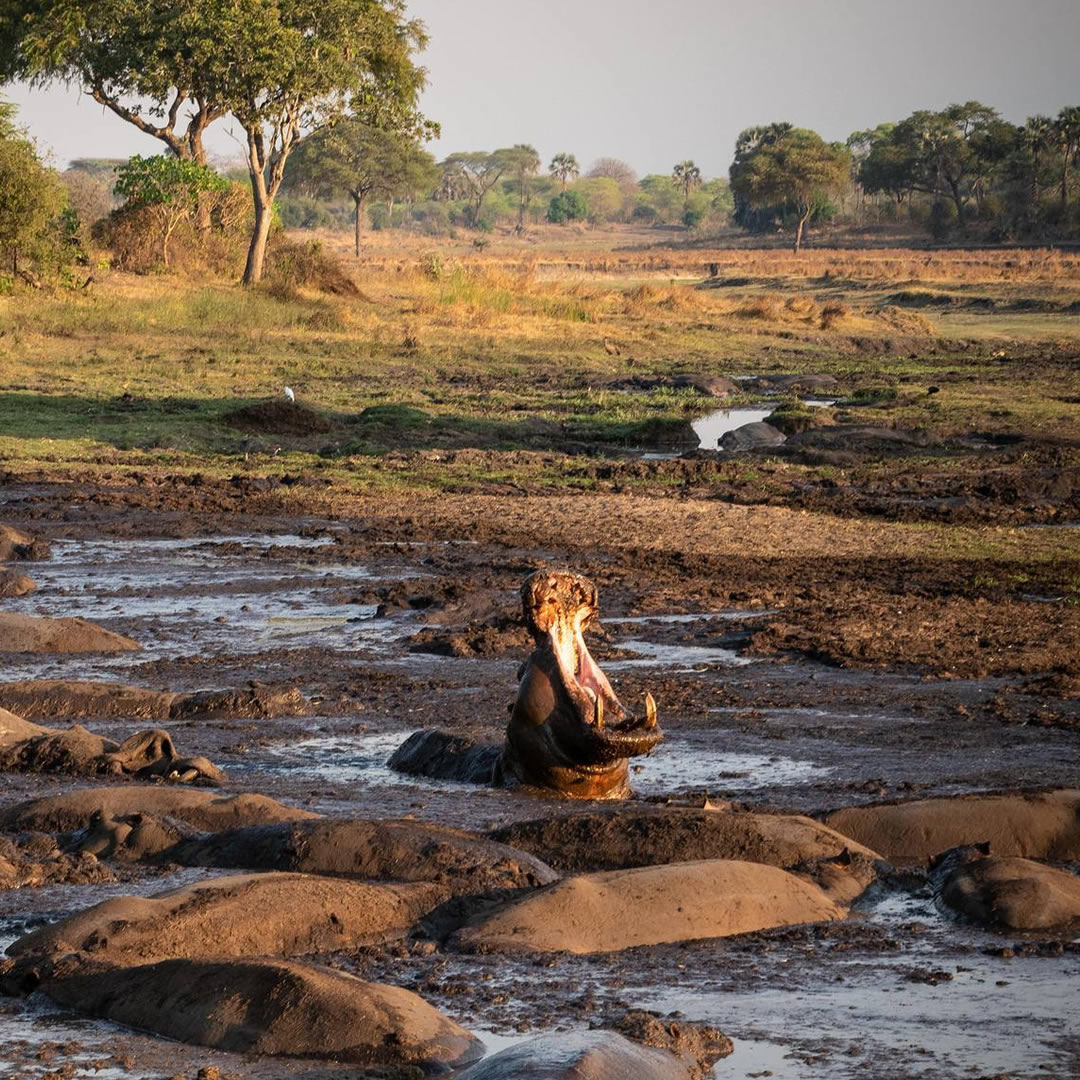
Gombe’s high levels of diversity make it an increasingly popular tourist destination. Besides chimpanzees, primates inhabiting Gombe Stream national park include beachcomber olive baboons, red colobus, red-tailed monkeys, blue monkeys, and vervet monkeys. Red-tailed monkeys and blue monkeys also hybridize in the area. The park is home to over 200 bird species and bushpigs too. And you can find many species of snakes and occasionally hippos and leopards.
From Dar es Salaam the best way to get to Gombe Stream National park is by domestic flight to Kigoma. There are daily scheduled flights, and they take approximately 2 hours. From Arusha, only shared charter flights are available, and they operate twice a week. Driving is not recommended due to the rough terrain and long distances. Trains and buses are also available but can take up to 2 days if travelling from Dar es Salaam and are not recommended for people who like the luxury and comfort of travelling in business class.
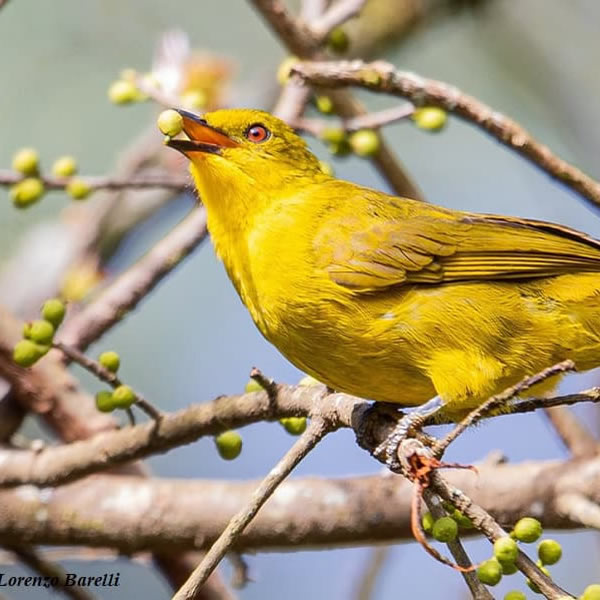
Gombe National Park is also a home to numerous birds. Over 200 birds species fly around, varying from the iconic fish eagle, three kinds of kingfishers and the bright Peters twinspots. Another remarkable character is the palm vulture, a near vegetarian common to Lake Tanganyika that prefers fruits over carcasses. Many of these are forest birds, which are quite difficult to spot, particularly since walking unguided is not allowed and guided walks tend to focus on chimps. The lakeshore is a good place to see African fish eagles and palm-nut vultures perched in the palm trees. Peters’s twinspot, a normally elusive forest bird, is quite tame and easily spotted in the camp. Migratory birds are present from November to April.