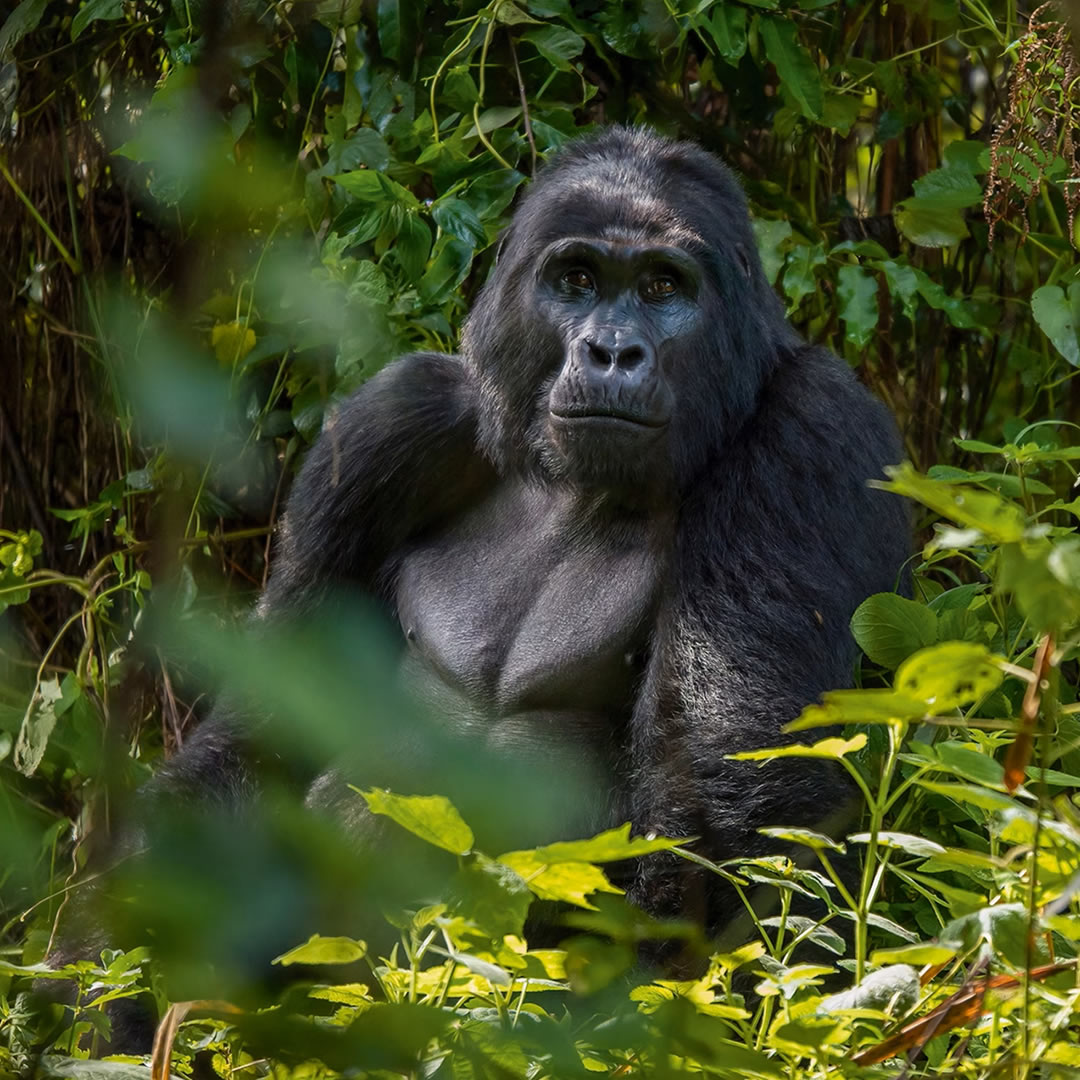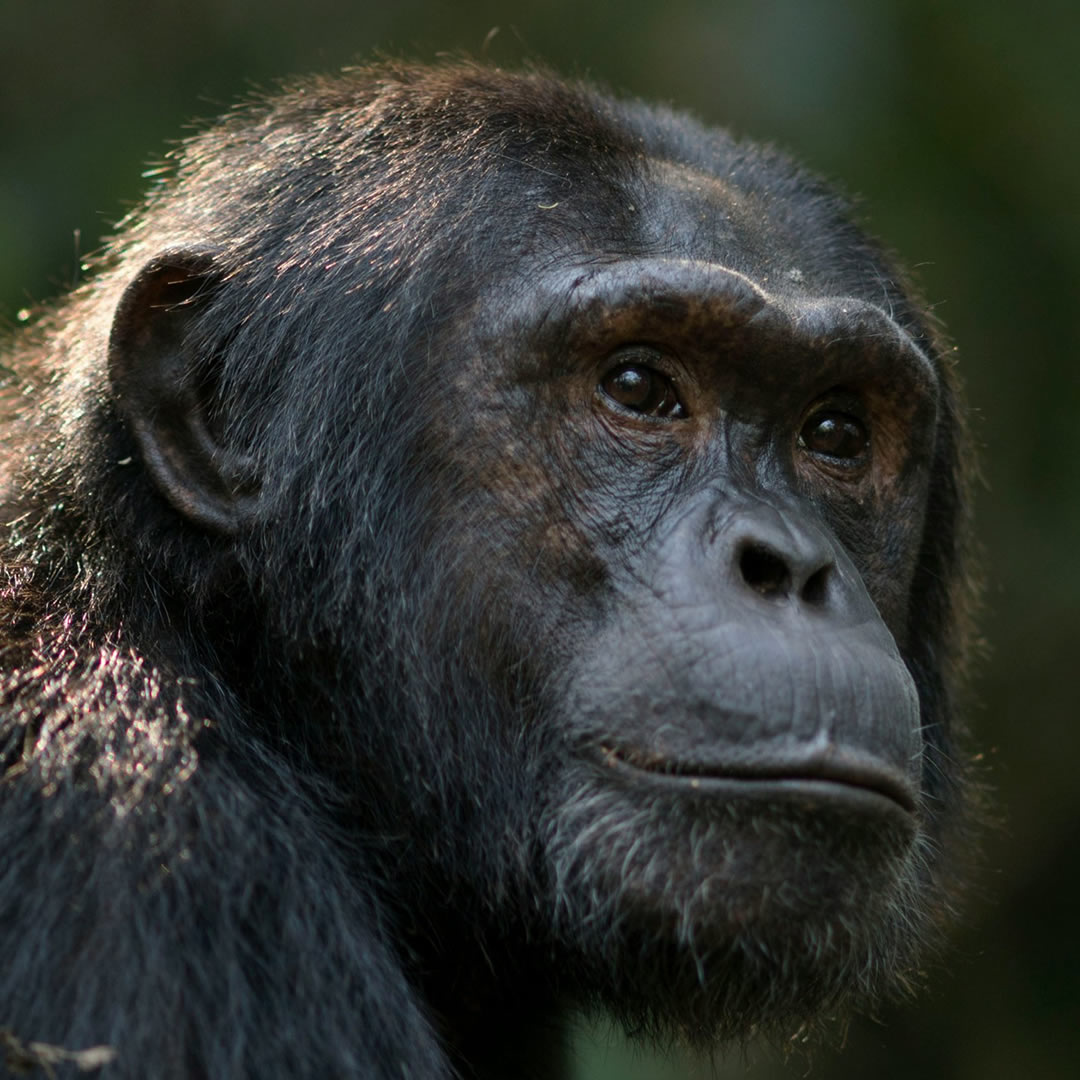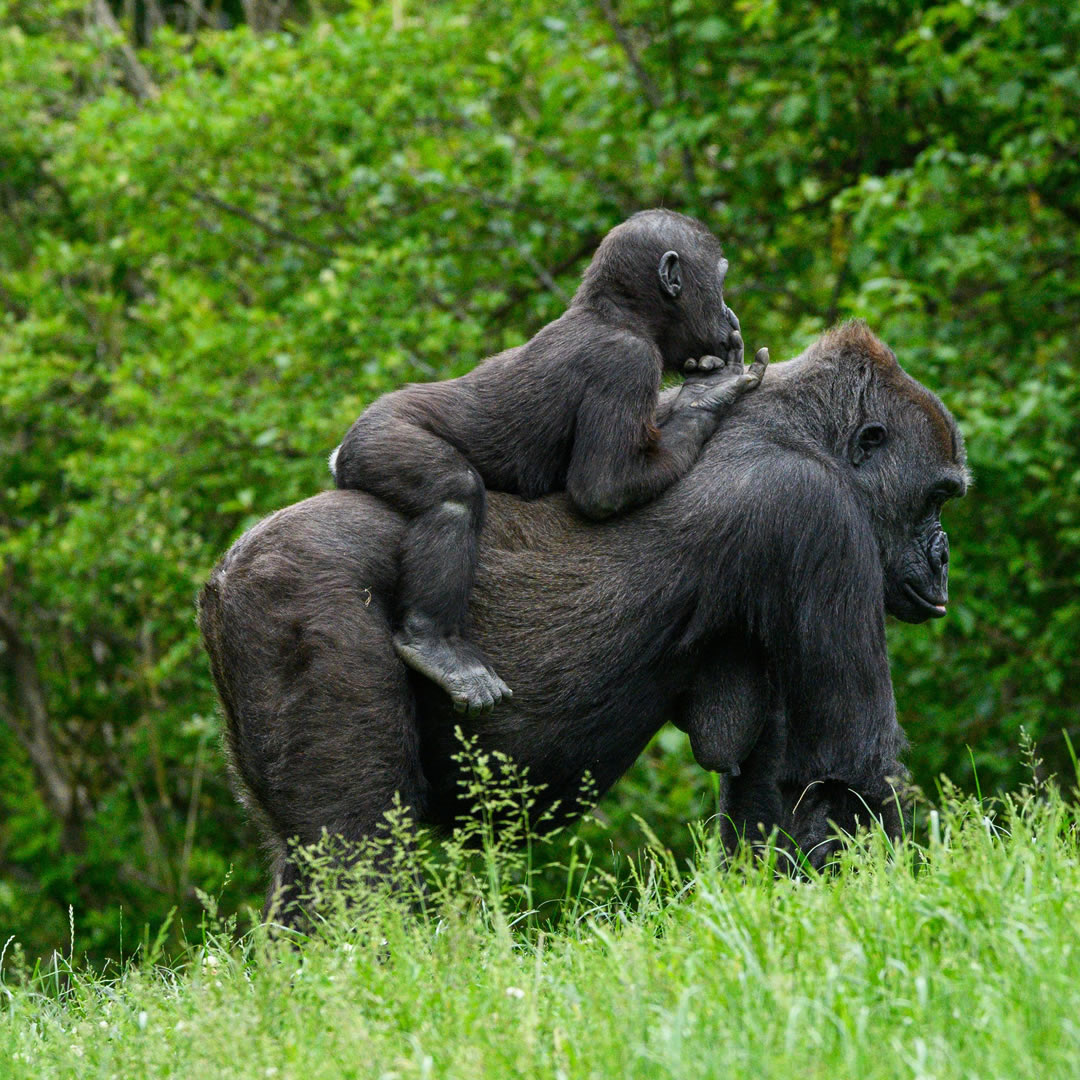
Mgahinga Gorilla National Park is the smallest park in Uganda. It is located on the southwestern side and covers an area of 33.9 sq km (13.1 sq mi). It is one of the few parks in the world that is a haven for mountain gorillas. Additionally, the park is home to golden monkeys, a unique type of primate that is also found in Volcanoes National Park in Rwanda. The park is also home to about 39 mammal species and 115 bird species.
Mgahinga Gorilla National Park protects the northeast slopes of the Virungas, a majestic range of freestanding volcanoes that are shared with Rwanda and the Democratic Republic of Congo (DRC). Other activities in this small but spectacular park include golden monkey trekking and steep hikes to three volcanic peaks.
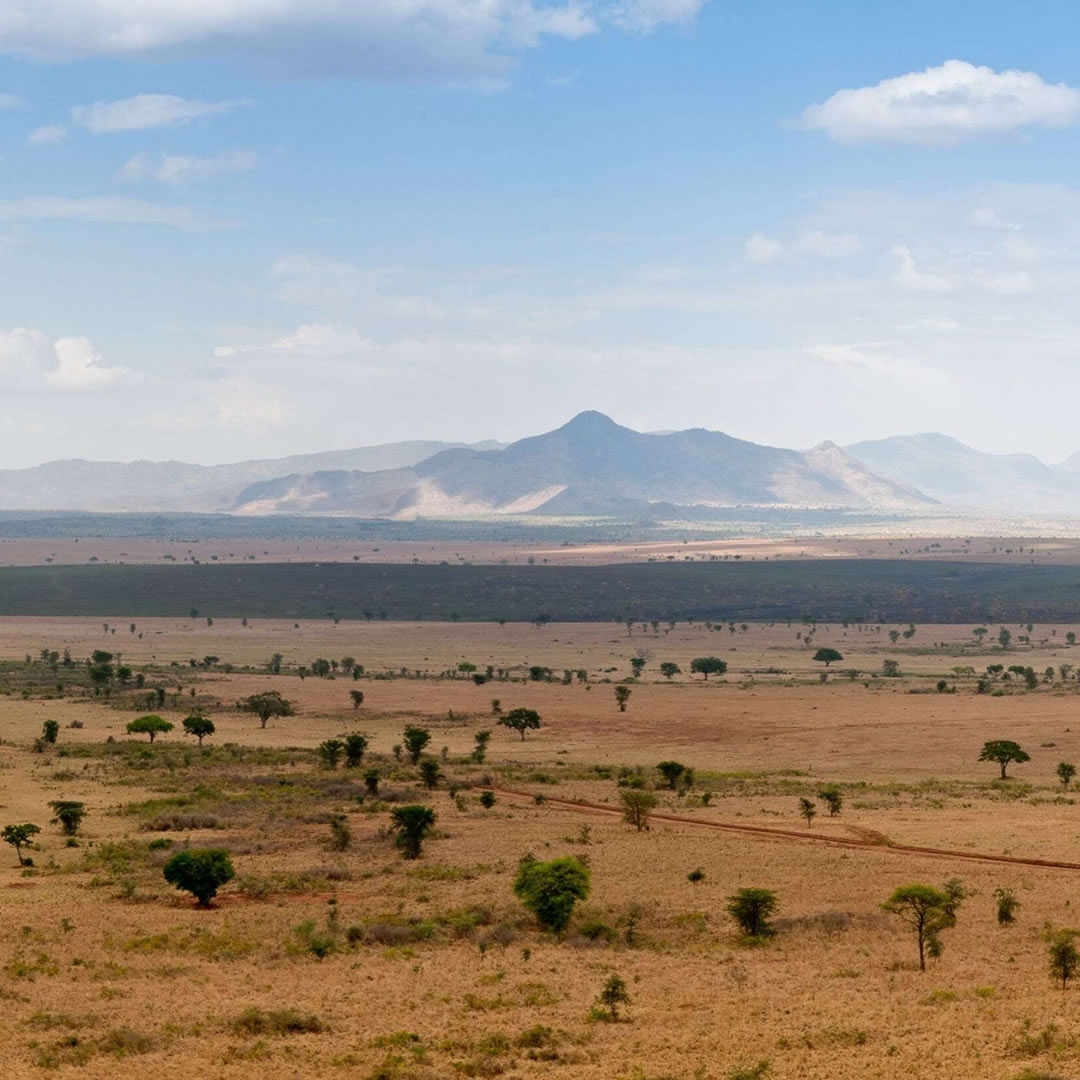
Mgahinga Gorilla National Park sits high in the clouds, at an altitude of between 2,227m and 4,127m. As its name suggests, it was created to protect the rare mountain gorillas that inhabit its dense forests, and it is also an important habitat for the endangered golden monkey. As well as being important for wildlife, the park also has a huge cultural significance, in particular for the indigenous Batwa pygmies. This tribe of hunter-gatherers was the forest’s “first people”, and their ancient knowledge of its secrets remains unrivaled. Mgahinga’s most striking features are its three conical, extinct volcanoes, part of the spectacular Virunga Range that lies along the border region of Uganda, Congo, and Rwanda.
Mgahinga Gorilla National Park is open for gorilla trekking the whole year, but the best times are during the drier seasons from June to August and December to January. At these times the trails tend to be easier to navigate and spending a precious hour with the gorillas might be more pleasant when it isn’t raining.
The climate in Mgahinga Gorilla National Park ranges from mild to cold and wet. The high altitude (2,227m to 4,127m/7,306ft to 13,540ft) makes this one of the coldest destinations in Uganda. On average, temperatures peak at 17°C/63°F during the day, and drop significantly in the evening (9°C/48°F).
Rain is always possible in Mgahinga. However, it is relatively unlikely in June, July and August, which are the driest months. The other months are all quite wet. Rainfall is highest from March to mid-May and over September to November. To be safe, visitors to Mgahinga are advised to pack decent hiking shoes and waterproof clothing at all times of year.
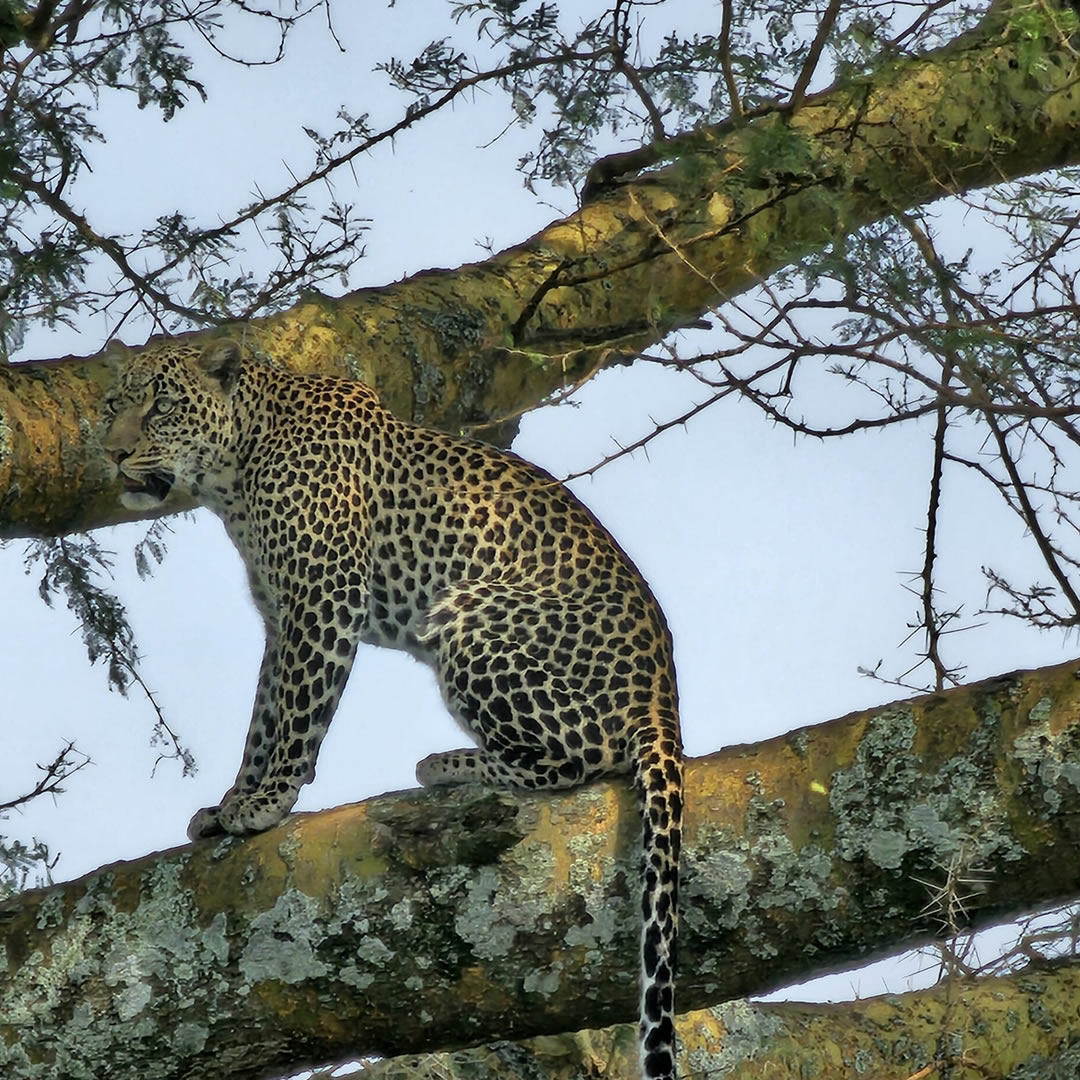
Mgahinga Gorilla National Park has a total population of 80 mountain gorillas, but only one gorilla group is habituated and open to tourists – the Nyakagyezi family. The group used to move to Rwanda and Congo but have now settled in Uganda for more than three years. Gorilla safaris to Mgahinga are great because the park attracts fewer crowds. Having one habituated gorilla group means only 8 gorilla permits can be sold in a day. Visitors are advised to book their permits weeks in advance from the Uganda Wildlfe Authority offices in Kampala or the Park Headquarters in Ntebeko. A Uganda gorilla permit costs $600 compared to $1,500 in Rwanda. Mgahinga is not just about gorilla tours, the park has a large population of the endangered golden monkeys, Colobus monkeys, other primates, leopard, porcupines, buffalo, tortoise, bushbuck, golden cats, bush hogs.
By Air: You can catch a scheduled flight from Entebbe International Airport or Kijjansi Airfield from Kampala to Kihihi or Kisoro airstrips. Upon landing, connect to Ntebeko, the park headquarters, by road. Only morning flights operate at the park due to prevailing weather conditions. The flights depart at 7:00 a.m. and arrive at Kisoro Airstrip at 8:10 a.m. The return flight from the park leaves at 8:25 a.m. and arrives in Entebbe at 11:25 a.m., depending on the stops. The flight time is approximately 1 hour and 30 minutes.
By Road: You can access Mgahinga Gorilla National Park from Kampala, which is the starting point of many safaris to the parks. The drive takes about 9 to 10 hours using a 4WD safari vehicle via Masaka-Mbarara-Kable and Kisoro. The distance is approximately 482 km.
Another option is to fly to Kigali International Airport and connect to the park's headquarters by road through the Cyanika border in Kisoro, taking about 3 to 4 hours.
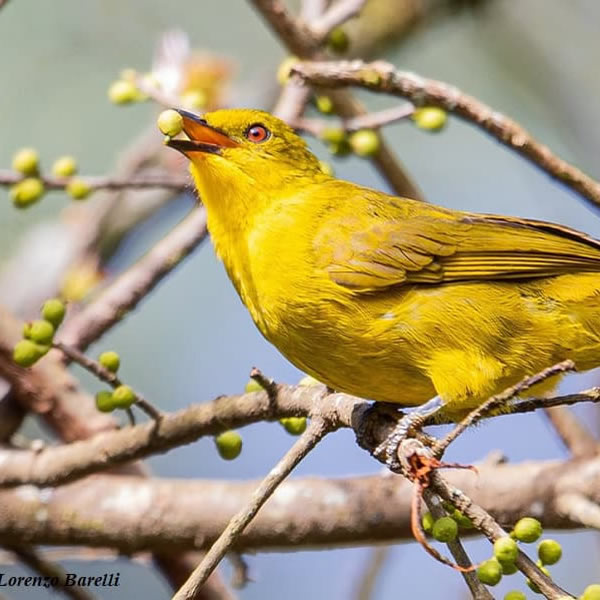
Mgahinga Gorilla Park is one of the top birding spots in Uganda. Birding in Mgahinga Gorilla National Park gives you an opportunity to spot about 100 bird species in the montone forests, bamboo forests, swamps and gorges found in the volcanoes Sabinyo and Gahinga. A local bird guide will take you out to look out for species like the Archer’s Robin-Chat, Banded Prinia, Barred Long-tailed Cuckoo, Black kite, Blue-headed Coucal, Blue-headed Sunbird, Bronze, Cape Robin-chat, Chestnut-throated Apalis, Collared Apalis, Doherty’s Bush-shrike, Double-collared sunbird, Dusky Crimsonwing, Dusky Long-tailed Cuckoo, Dusky Turtle Dove, Equatorial Akalat, Fire finch, Grauer’s Warbler, Grey capped warbler, Handsome Francolin, Kivu Ground Thrush, Lagden’s Bush Shrike, Mackinnon’s Fiscal, Montane Oriole, Mountain Masked Apalis, Olive pigeon, Olive Thrush, Olive woodpecker, Paradise Flycatcher, Pin-tailed whydah, Red-throated Alethe, Regal Sunbird, Rwenzori Batis, Rwenzori night jar, Rwenzori Turaco, Shelley’s Crimsonwing, Speckled Mouse Bird, Strange Weaver, Strip-breasted Tit, Waxbills, White necked raven, White-eyed Slaty Flycatcher, White-starred Robin, Yellow-eyed Black Flycatcher and Yellow-vented bulbul among other.