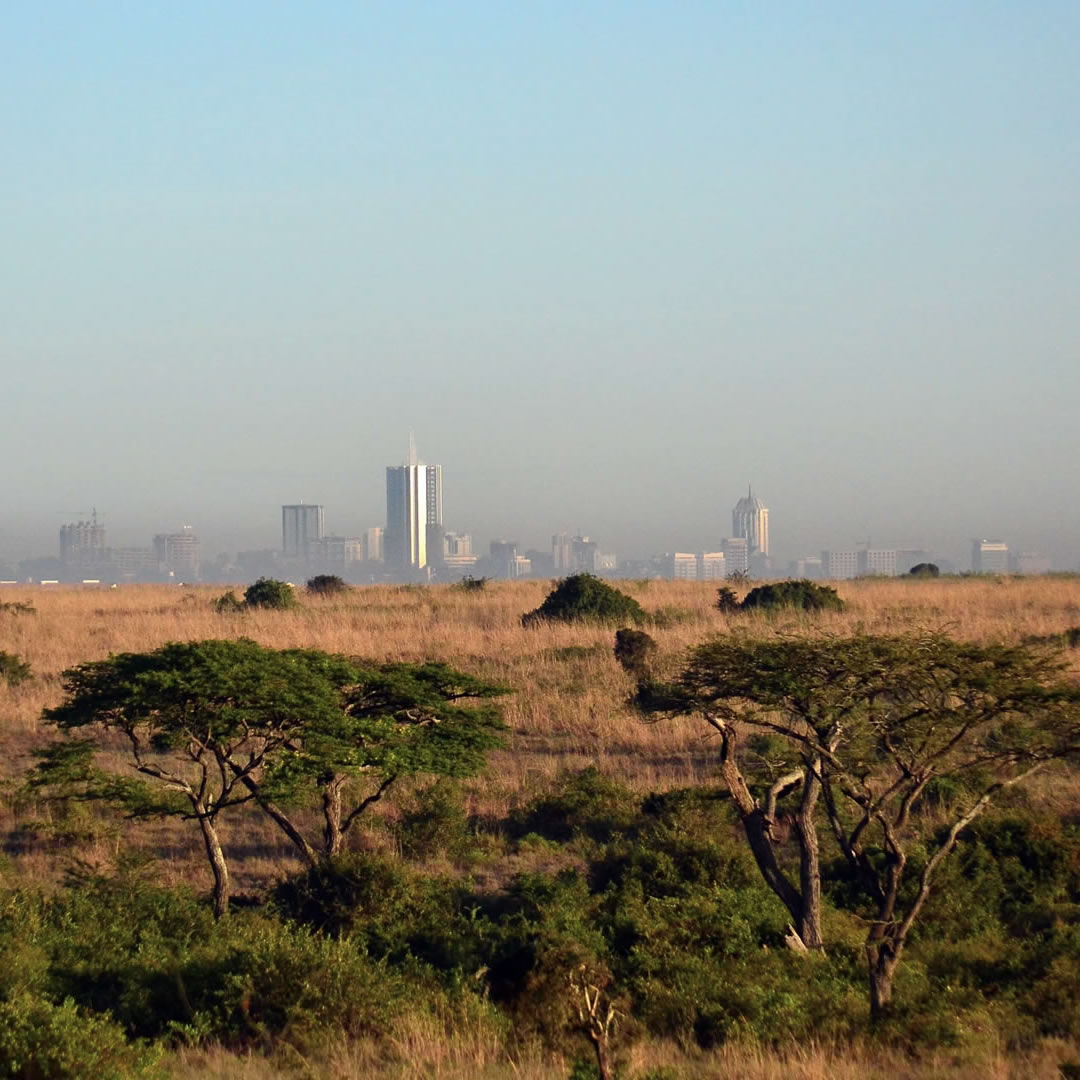
Enveloped by rows of impenetrable woodlands, turbulent rivers and meandering streams, Meru National Park is one of Kenya's most beautiful wilderness areas, and a great safari destination. Covering an area of 870 km², the national park has 3 distinct micro-ecosystems which support a diverse range of flora and fauna. The northern third of the park is a bushland area; a vast sparse plain dotted with small groups of thinning trees. East of the bush is a deep impenetrable tangle of overgrown shrubbery and towering trees. This ethereal, wet woodland is where most of the 13 rivers that intersect the park meet, joining, twisting and breaking from each other as they go. Much of the rest of the park is covered in short savannah grass. From across the park, the towering Mount Kenya can be seen, watching over this paradise.
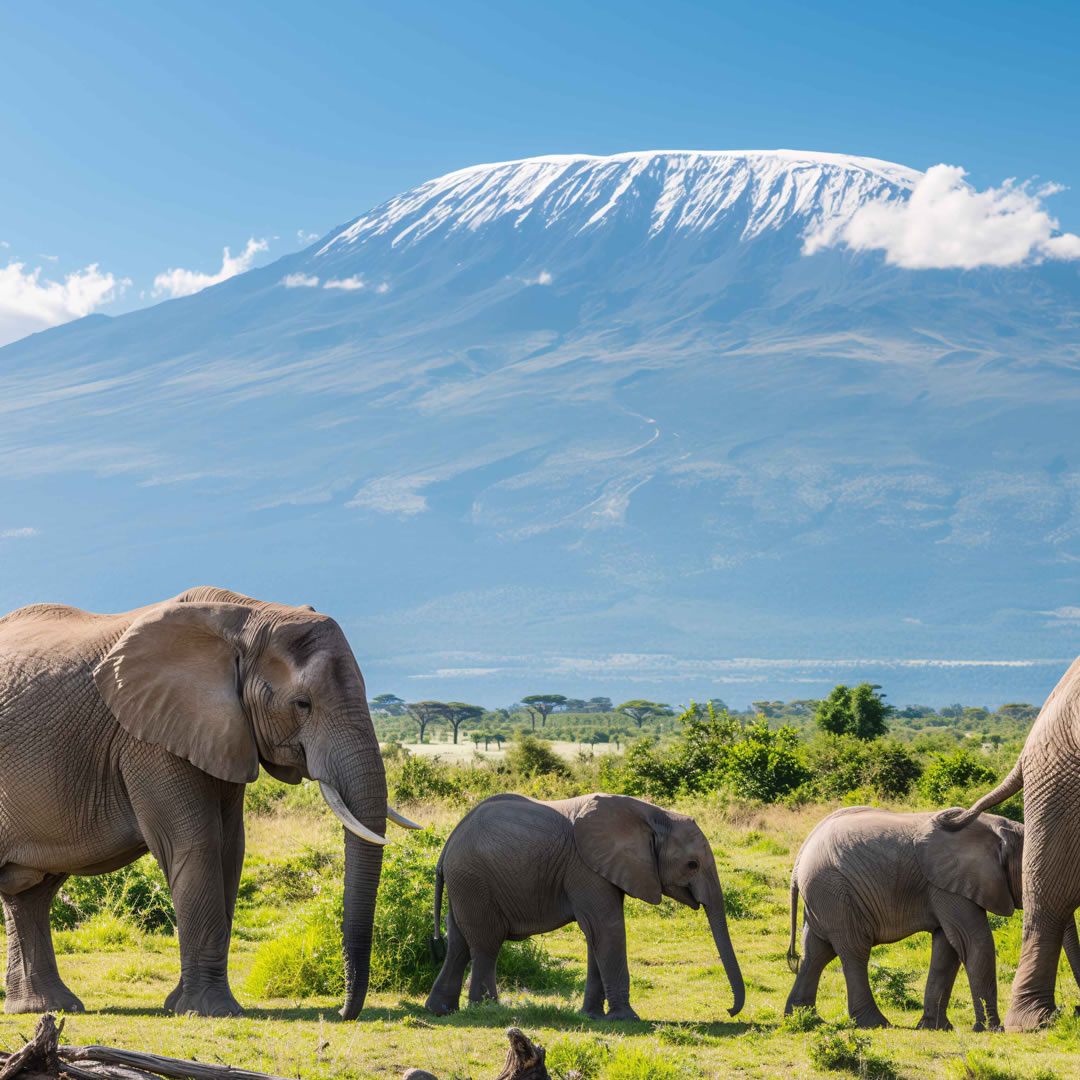
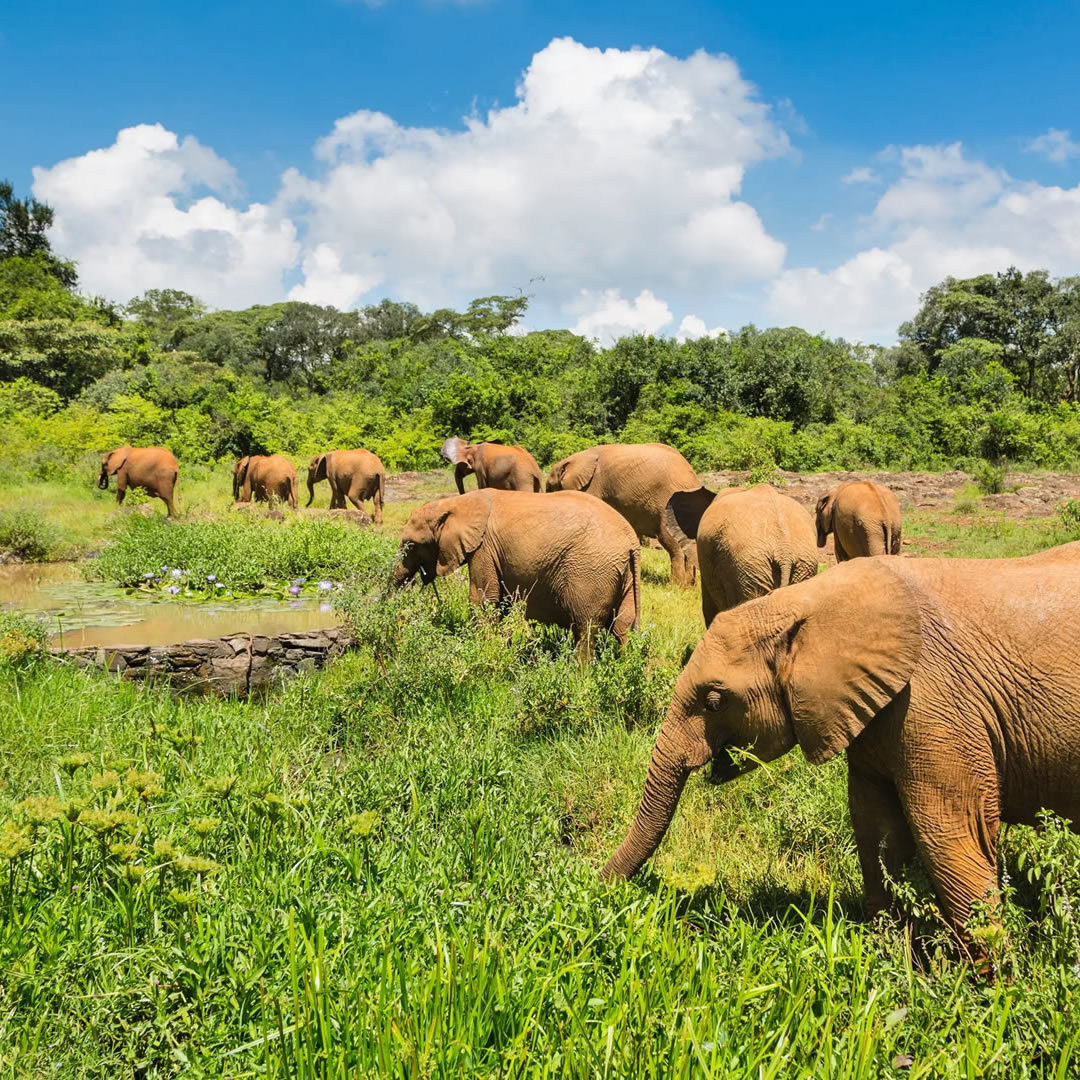
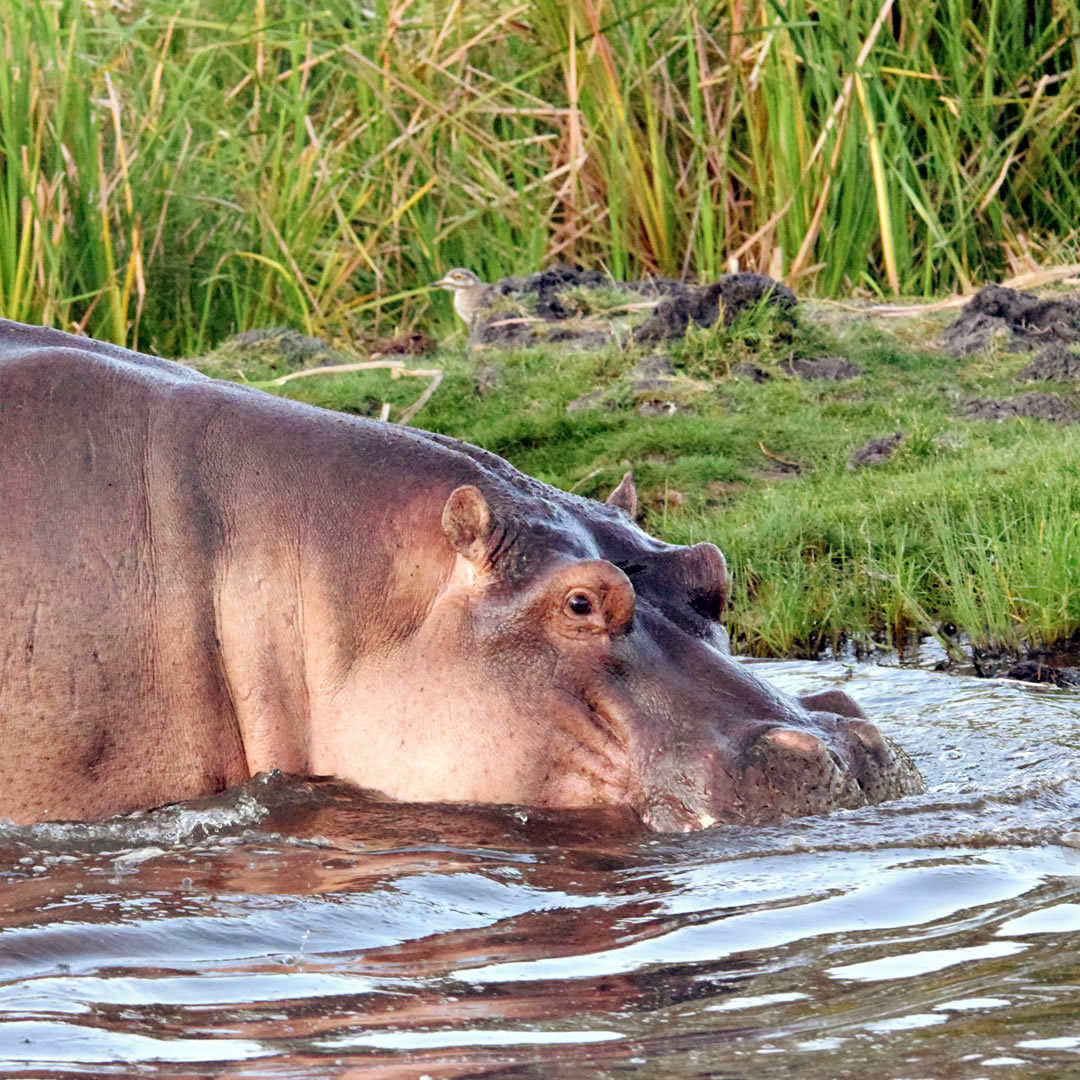
Meru has a special history and was where George and Joy Adamson released lioness Elsa back into the wild during the 60s, a story immortalised in the film Born Free. But it was neglected for two decades and fell off most safari itineraries. Recently restored to its former glory, it's yet to attract the attention it deserves. The guarded rhino sanctuary is an exhilarating highlight and you're virtually guaranteed to both see black and white rhinos in their wild habitat. The park is home to a huge variety of animals, including the Big Five: lion, leopard, rhinoceros, elephant, and Cape buffalo. Zebras and gazelles are known to roam free across much of the park, grazing on dry yellow tufts of grass. The rivers around the park are also home to a lot of wildlife. Within the murky depths, crocodiles lurk, waiting to pounce on anything brave enough to approach these shores. Hippos can often be seen sunbathing on the banks of the various rivers and lakes across the park.
When looking to visit Meru National Park, the wisest decision is to go during the dry season between mid-June and mid-October. During this season, temperatures are more moderate and rain is minimal – both of which make wildlife viewing easier. Because there are less crowds during this time as well, it’s also a great opportunity to get up close and personal with the animals. However, if you’re looking for a unique experience, it’s worth noting that the wet season (November to March) is known for its lush green landscape and heavy rains – making it an interesting time of year as well.
The weather in Meru National Park is warm and humid throughout the year. During the dry season which runs from November to April, temperatures typically range from 16°C (60F) during cold nights to 34°C (93F) during hot days. The rainy season usually starts around May and runs through October, bringing with it higher humidity and heavier rainfall. During this time, temperatures remain fairly high but there is usually a drop in the afternoon when showers occur. Meru National Park also experiences periodic winds that can bring dust storms and cooler temperatures depending on the direction they are blowing from. Due to its location near the equator, days and nights are of roughly equal length throughout the year.
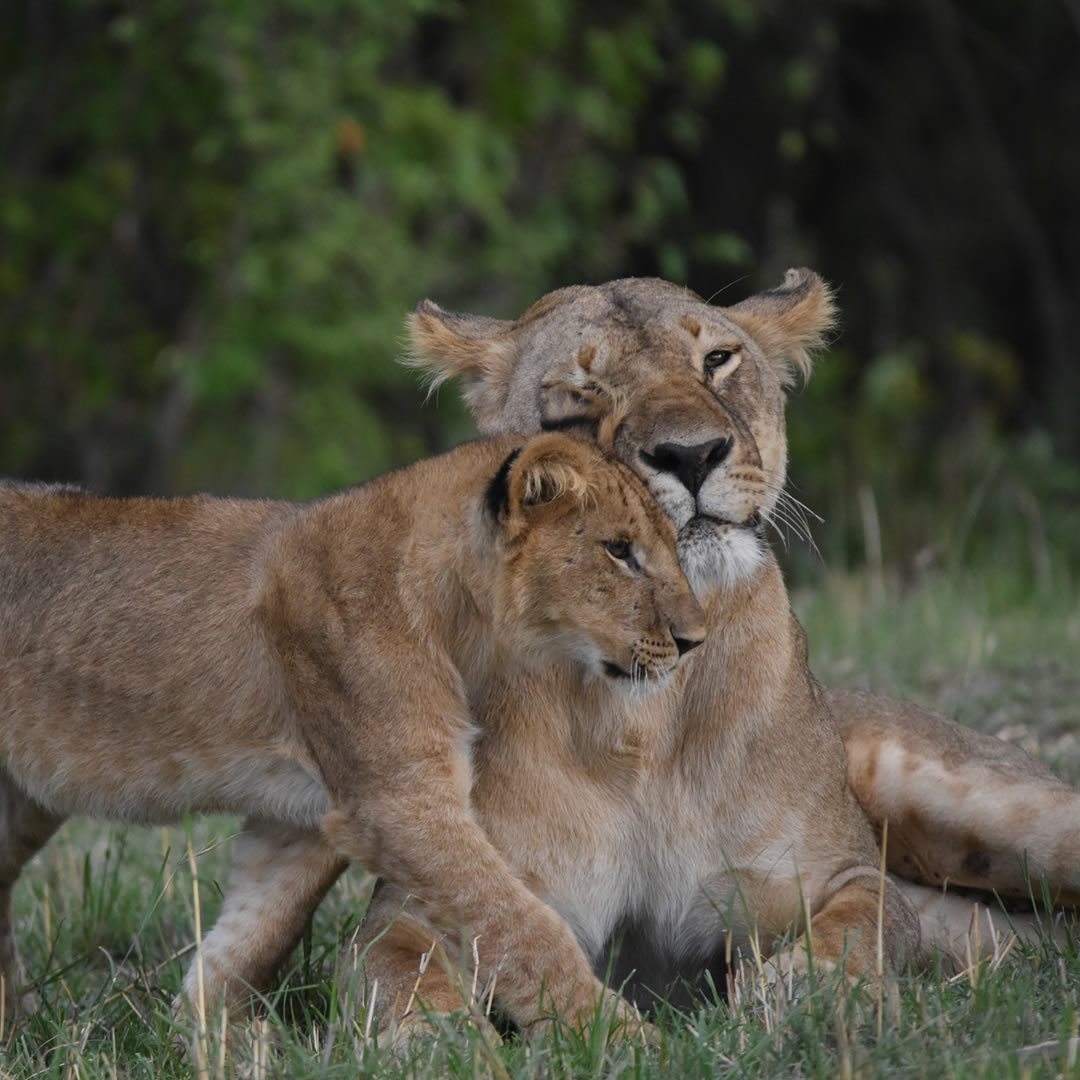
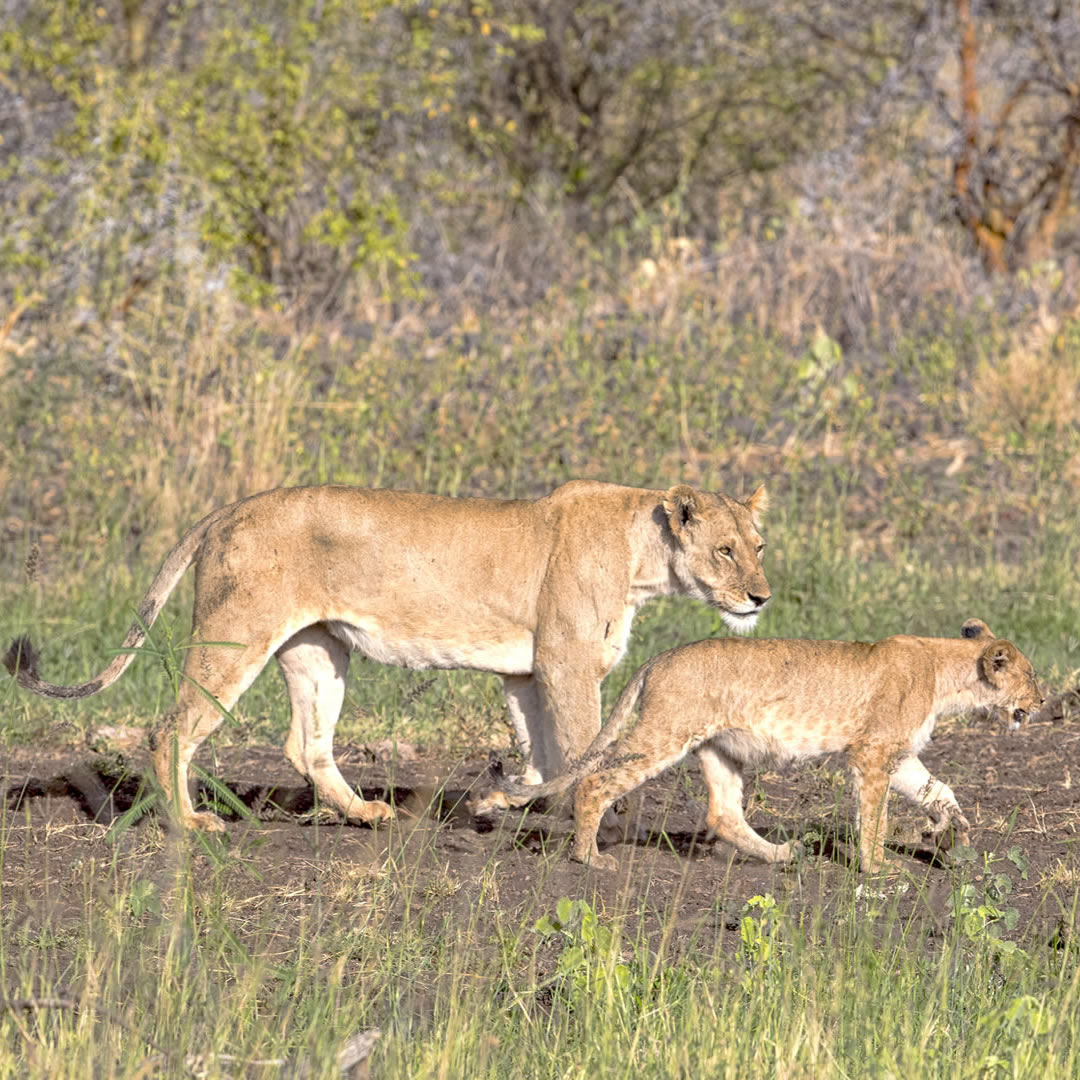
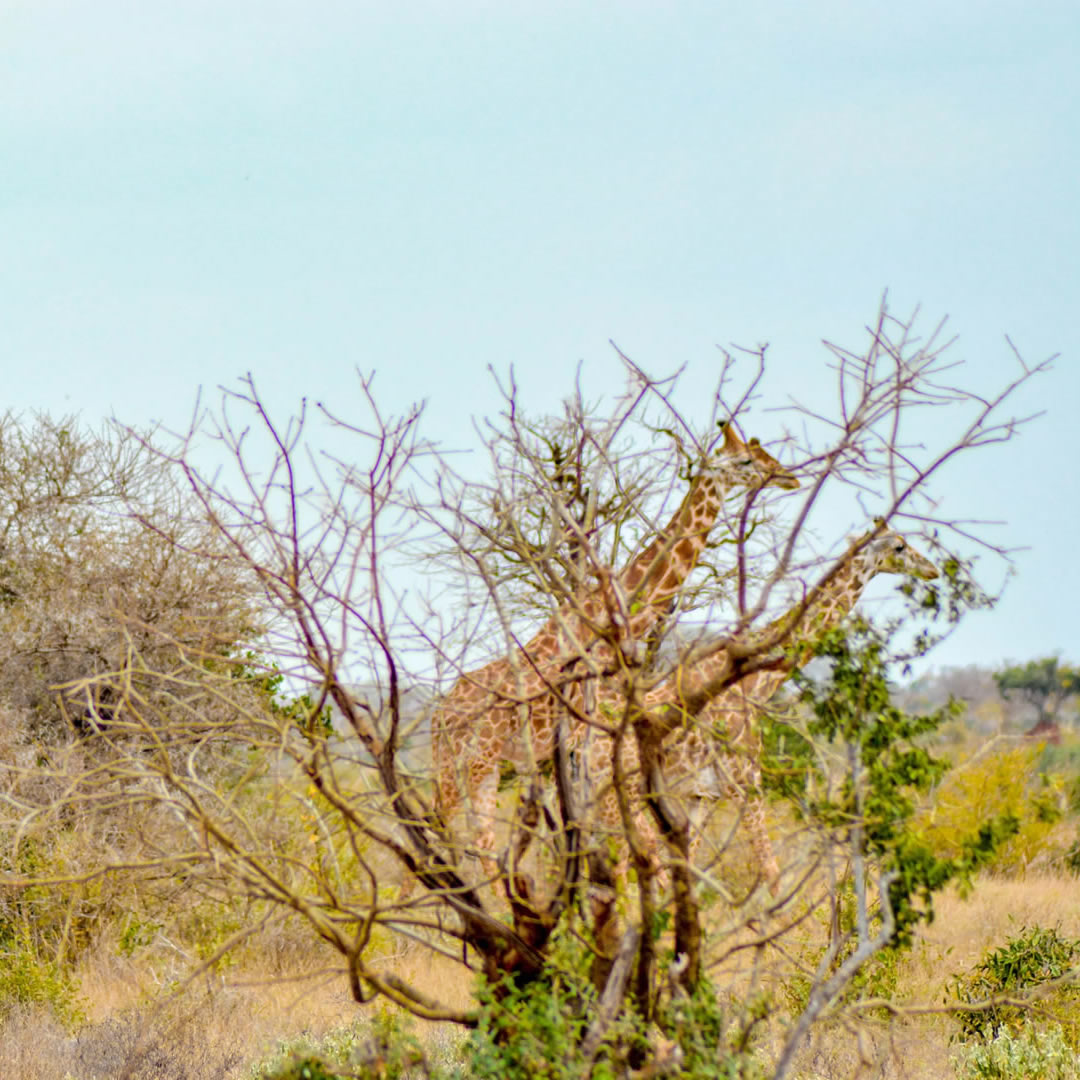
Predator sightings have been magnificent in recent years, the resident lions and cheetahs are a compelling part of most game drives. Buffalos roam in their thousands and the distinctive grazers of northern Kenya are very much in evidence; admire the regal beisa oryx, be baffled by the long-necked gerenuk, and enjoy the marking on two less-abundant sub-species, the reticulated giraffe and Grevy's zebra. Soaring above it all is a phenomenal cast of birds, including the unforgettable red-necked falcon.
All weather roads link the park to Nairobi. There are two routes to the park; Route one; from Nairobi to Nyeri-Nanyuki-Meru-Mau to the main gate at Murera Gate. This route covers a distance of 384 kilometers. Route two; from Nairobi-Embu-Meru-Mau and finally to the main gate, Murera Gate. This course covers a distance of 350 kilometers. Although the park has 16 airstrips, only four of them are used to access the park. They are; Kinna, Masanduku, Murera, and Mulika airstrips. The Wilson Airport offers daily day flights to the park.
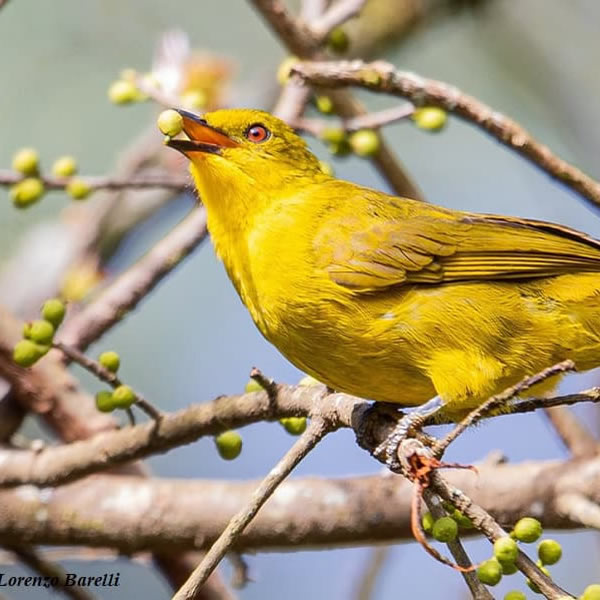
Birders will fall desperately in love with the Meru National Park. The park boasts of over 300 bird species including weavers, Red-necked falcons, bee-eaters, kingfishers, starlings, rollers, Pel’s Fishing Owl, sunbirds, Heuglins courses, and the Brown-backed woodpecker. Over 450 bird species all call Meru National Park a home making it a special birding safari destination of its own. The park protects birds such as palm nut vultures, pel’s fishing owls. Sunbirds, kingfishers, red-necked falcons, rollers, Heuglin’s coarser, secretary bird, brown-backed woodpecker, starlings, hornbills, ostriches, and more.