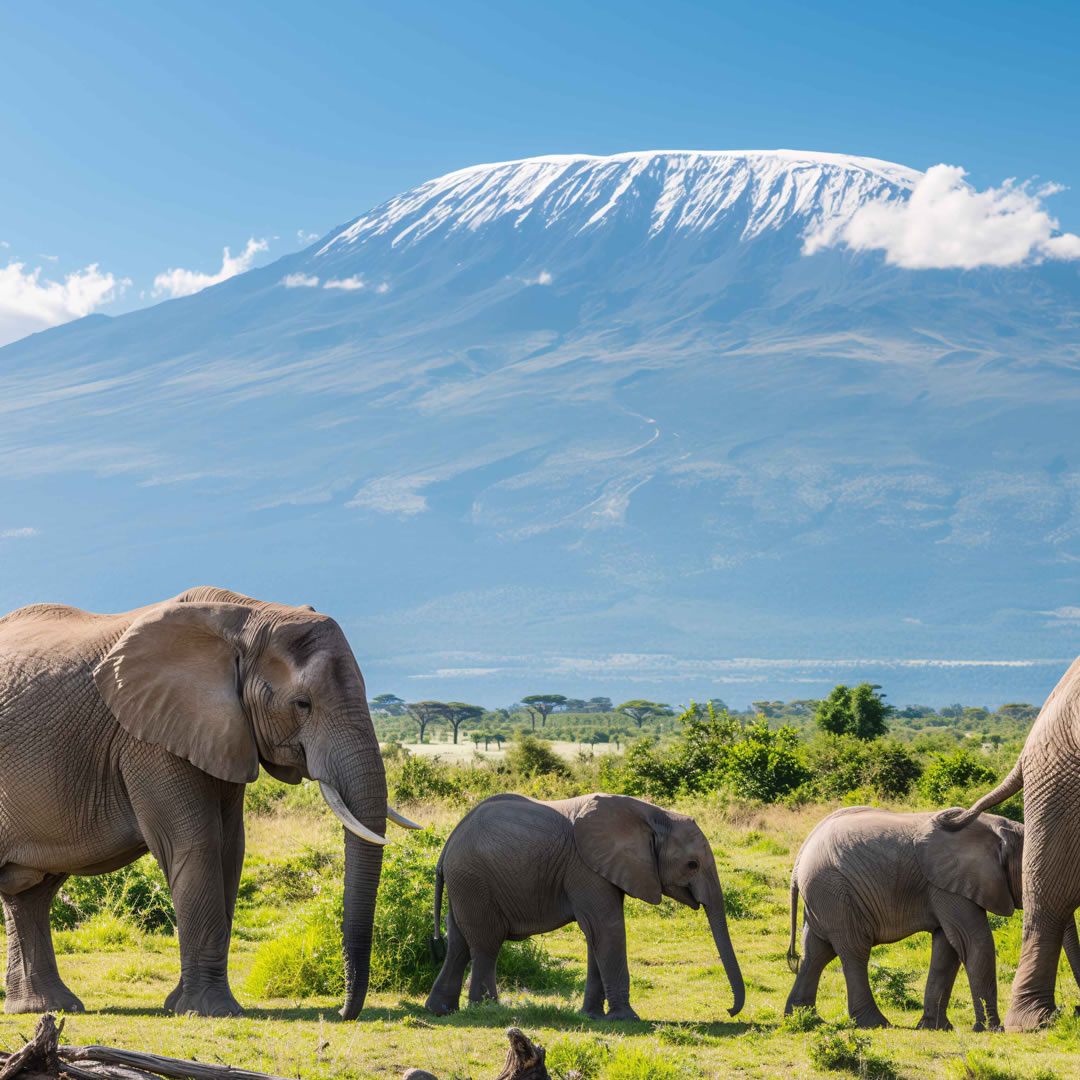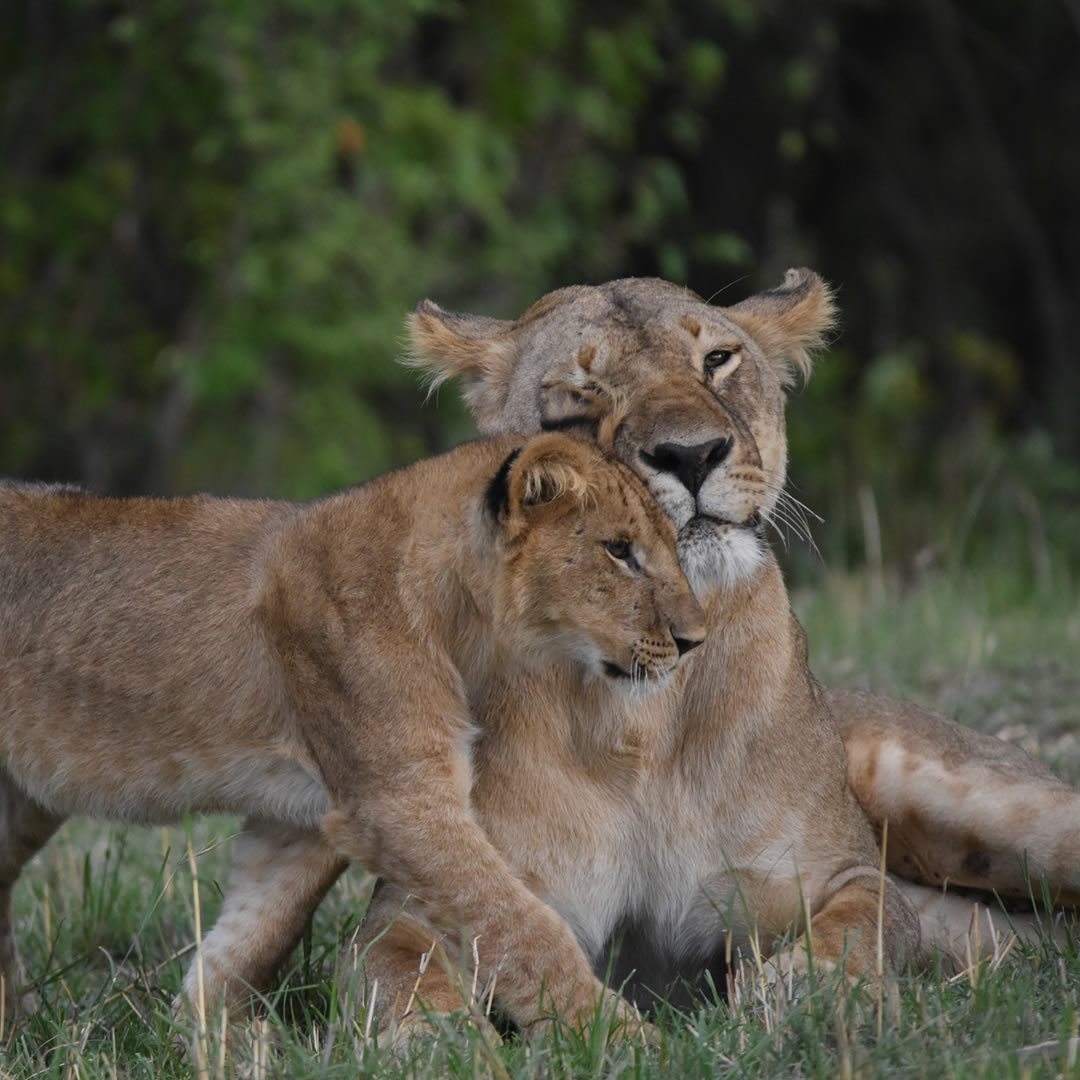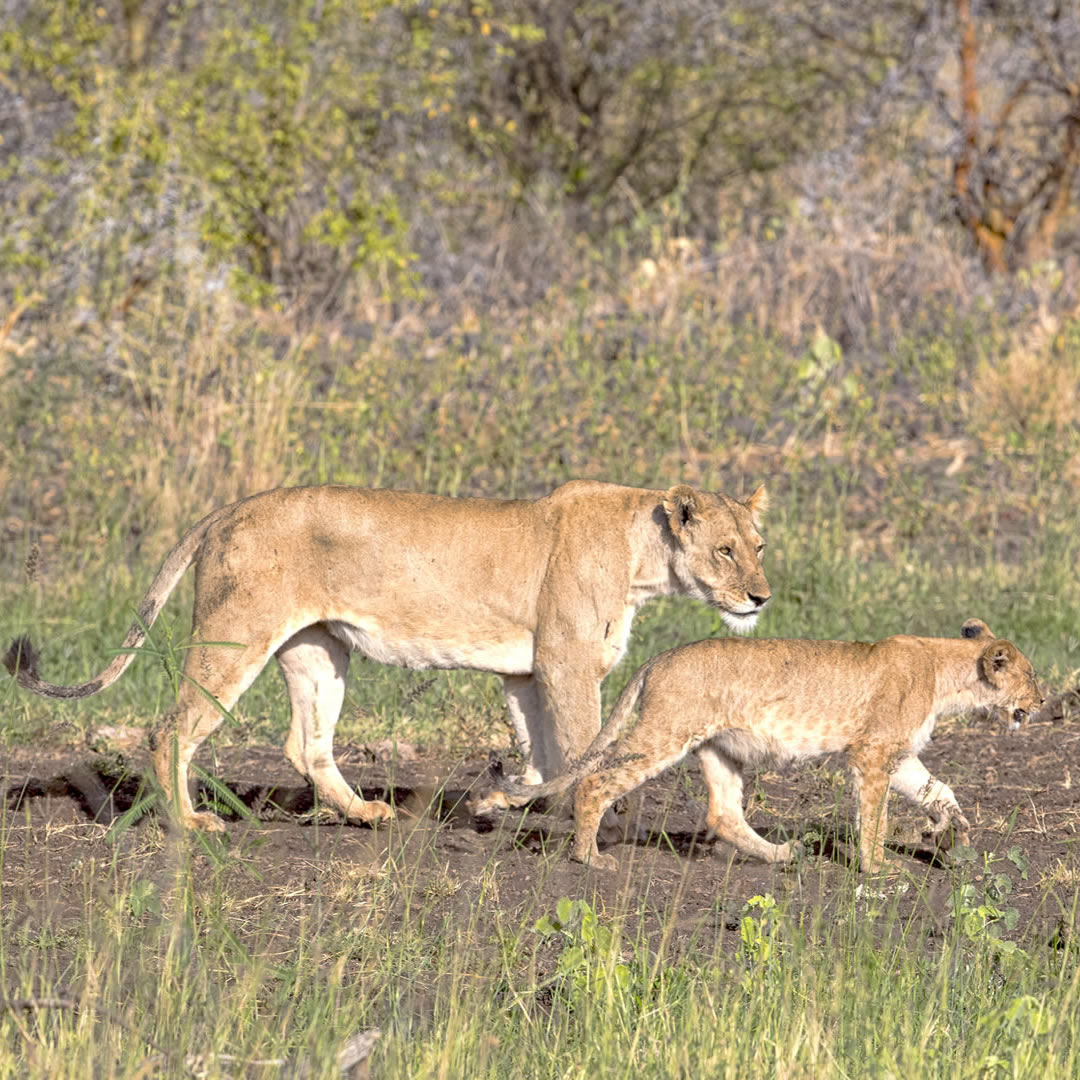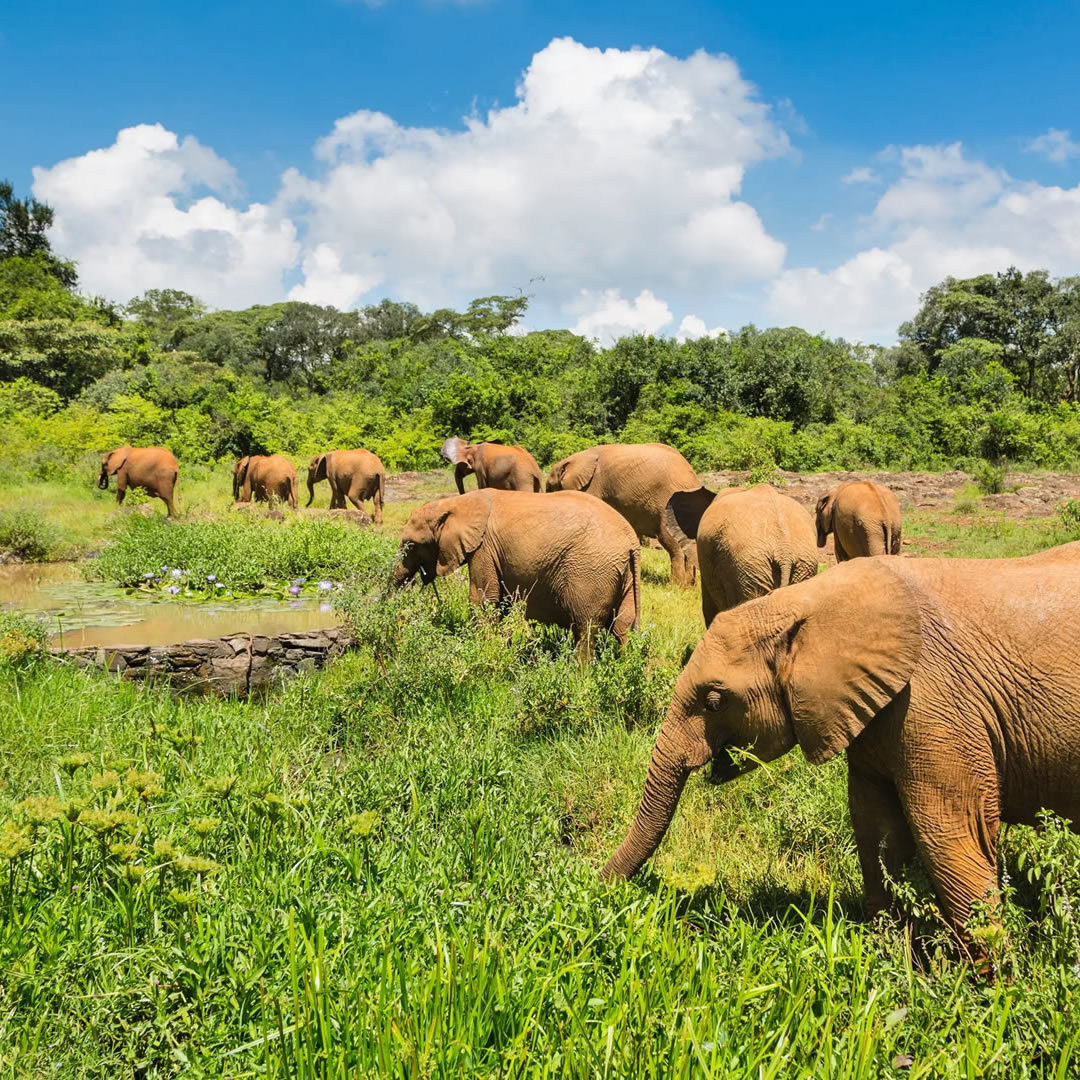
Situated in Kenya's southeast, Tsavo is near the Tanzanian border and is close to the Kenyan coast. Named after the river that flows through the parks, Tsavo is split into two national parks, Tsavo East and Tsavo West, and is divided by the Mombasa-Nairobi highway. Tsavo East is one of the oldest, and is the largest national park in Kenya, and together with Tsavo West covers just over 20,000 square kilometres, or 4% of Kenya. Spanning 13,747 square kilometres of pristine wilderness, it is also one of the most extensive protected areas in Kenya and has more biodiversity than any other park globally, as it marks the meeting point between northern and southern wildlife. It is 9 times bigger than the Maasai Mara and is well known for its mane-less lions, big herds of red dust-covered elephants, and cheetah.
The Yatta Plateau, approximately 290km (180 miles) long, is the world's longest lava flow (also the oldest fossilized lava flow on Earth) and is one of the park's major features. The park's salvation is the dense vegetation along its permanent and seasonal rivers. The Tsavo, Galana and Athi rivers are a vital part of the Tsavo ecosystem and are great spots to watch wildlife. Tsavo East National Park is perfectly situated halfway between Nairobi and the Kenyan coastal resorts. This means Tsavo is perfect if you want to combine a Kenyan safari with a beach holiday. Diani Beach, located just 30km south of Mombasa and approximately a four-hour drive from Tsavo East, is a stunning tropical paradise and has been awarded the best beach destination in Africa for five years running.
The best time to visit Tsavo East is in the dry season from July to September and December to March. These months provide the best wildlife viewing opportunities as the grass is short and the animals are drawn to water sources, especially to the river banks. It is generally advised to avoid March to May, the long rainy season and October to November, the short rains. Access becomes more difficult due to muddy roads, wildlife viewing is more challenging and planned excursions might be affected by torrential rains during these months.
Visitors to Tsavo East National Park can expect a hot, dry climate. The average temperature varies between 31°C/88°F during the day and 20°C/68°F at night. In most years, rainfall peaks in April and November during the long and short rains, respectively. Rain tends to fall as short, heavy showers.
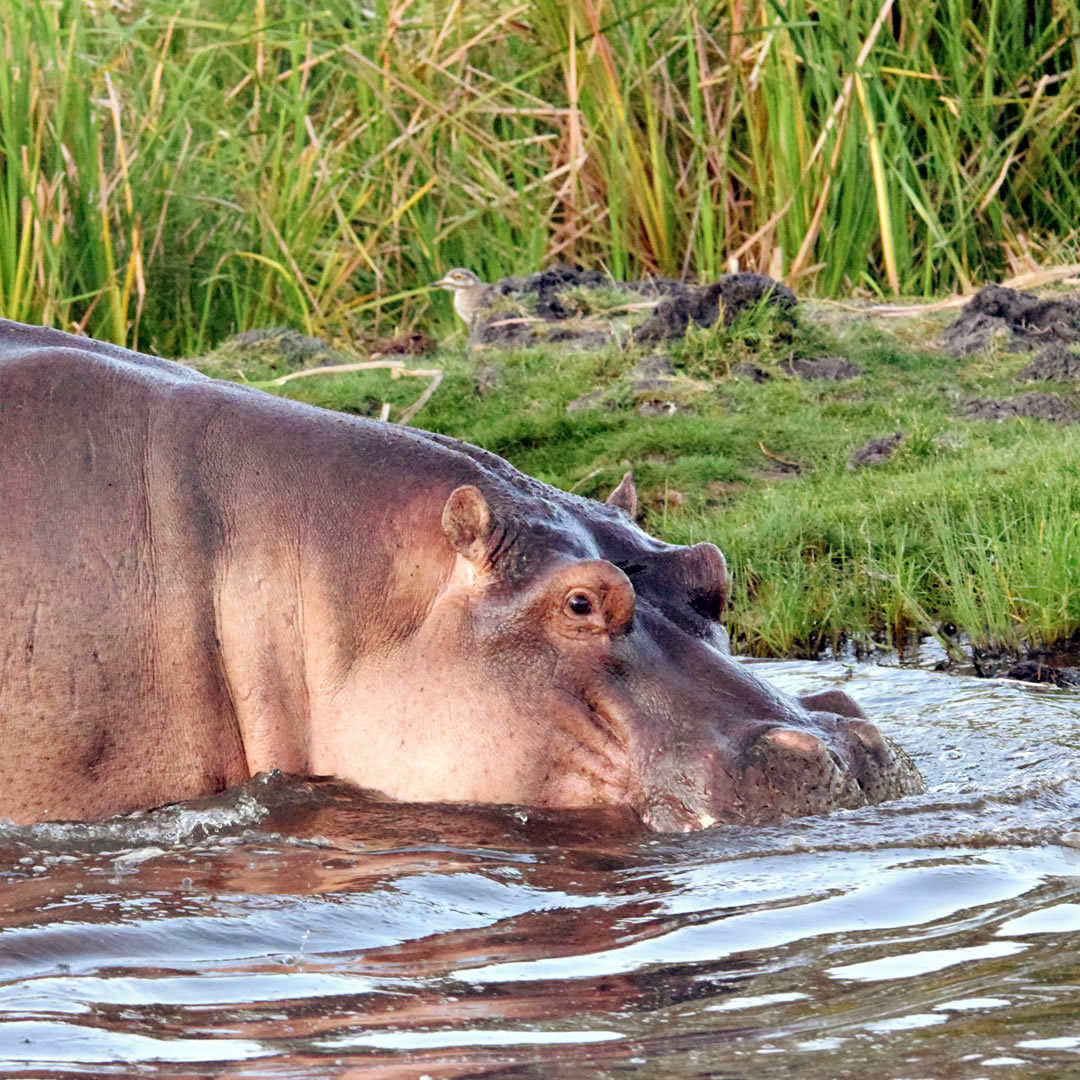
The park is home to numerous animals, including The Big Five: lion, leopard, rhino, elephant, and Cape buffalo. The rivers around the park are also home to most of this wildlife, and crocodiles eagerly hide within the dark depths, waiting to pounce on anything brave enough to approach the shores. Game drives are best when done in the early morning or evening before it gets too hot and will often include a stop at the Luggard Falls, a series of white rapids on the Galana River and the Yatta Plateau, for a picnic lunch.
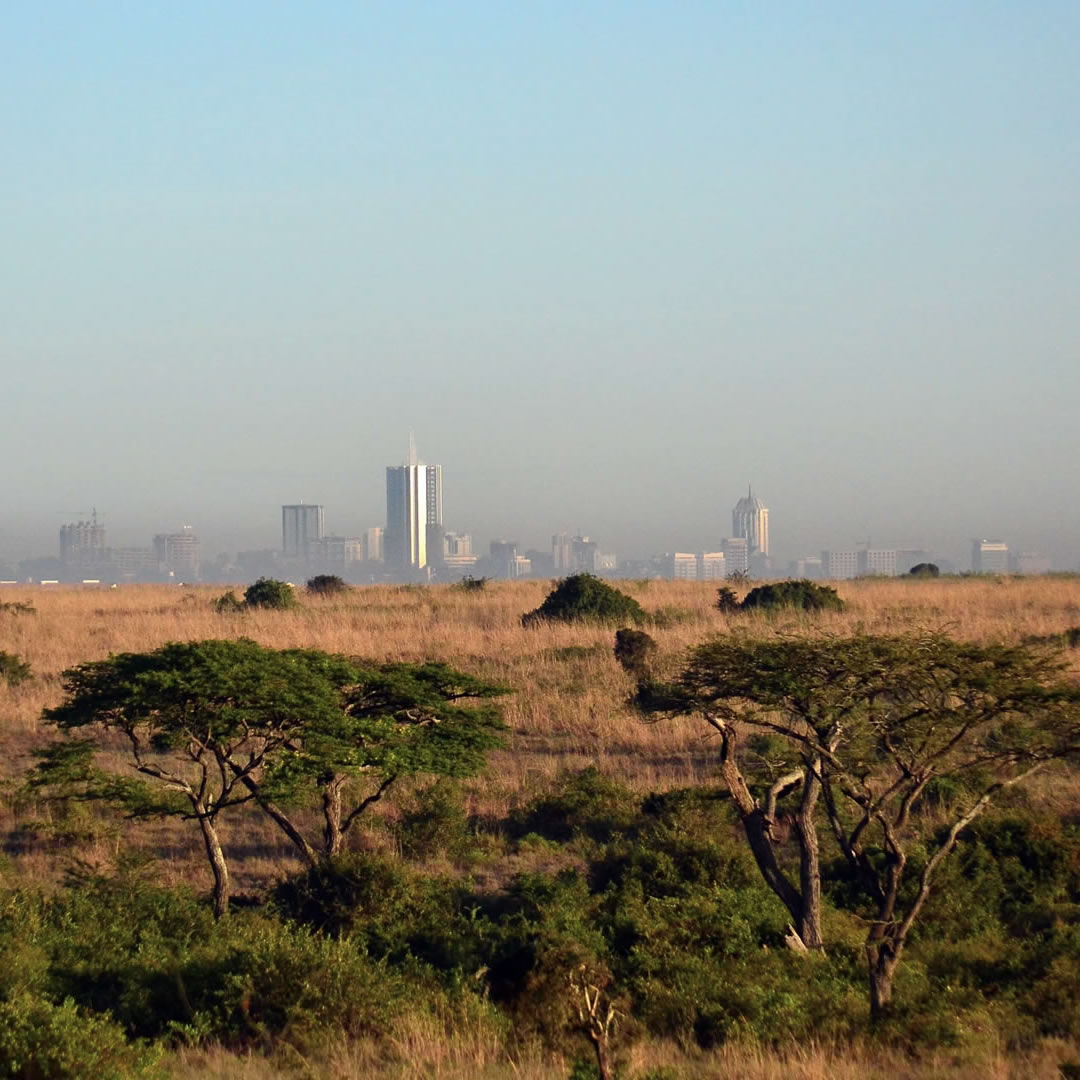
Tsavo East is in southeast Kenya, 325km/201mi from Nairobi and 250km/ 155mi from Mombasa and roughly a five-hour drive. The main access routes are through Chyulu Gate from Amboseli and Mtito Andei Gate from Nairobi. Visitors from Mombasa will make use of Tsavo Gate near Manyani. There are no scheduled flights to Tsavo East, but there are several airstrips available for chartered flights. The distance from Lake Nakuru National Park is 450km/280mi, and the driving time is about 5-7 hours, dependent on road conditions and traffic. Many choose to stop here for a picnic lunch/short game drive if travelling from Nairobi.
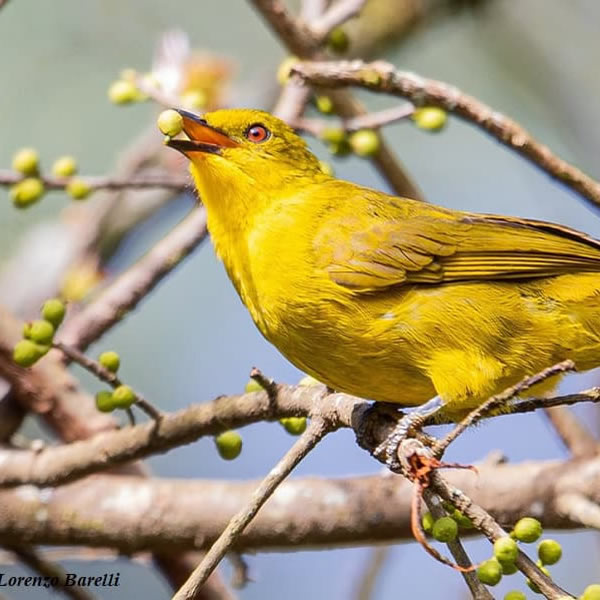
Tsavo East has an astounding number of bird species (500+). It includes many dry-country specials which are easy to spot, including the majestic Golden-breasted starling, golden pipit and vulturine guinea fowl. The park is also the southernmost stronghold for the Somali ostrich and is a significant wintering ground for migrant species from Europe. Migrant birds are present from November to April.